A year after water crisis, Richmond officials express confidence in revamped treatment plant
Even with a snowy start to winter in Richmond, a top city official recently joked to a crowd gathered downtown, there was nothing to report about the water treatment plant.
Over the course of a year, said Chief Administrative Officer Odie Donald II, Richmond has gone from a snow-induced water crisis that had the city “upside down on its ear” to a facility that withstood unusually early snow without even making the newspaper.
“That’s a good thing,” Donald said as he recapped his first impressions of the city government Mayor Danny Avula hired him to run. “That’s learning from our mistakes and being prepared. While those things mostly go unnoticed, they haven’t by me.”
One year after a catastrophic power failure at Richmond’s water plant that left residents without drinkable tap water for nearly a week, city leaders are cautiously confident they’ve made many of the necessary changes to make a repeat crisis far less likely.
In an interview at City Hall, Avula said that after what he went through at the plant a year ago just a few days after becoming mayor, he felt “a little bit of PTSD” when he recently went back.
But what he saw on that site visit, the mayor said, was vastly different from what the facility looked like last Jan. 6, when a power interruption led to major flooding that knocked out critical equipment needed to keep clean water flowing.
There’s a renewed sense of “pride and accomplishment,” Avula added, among the Department of Public Utilities employees that run the plant that treats water from the James River and pumps it out to Richmond homes and businesses.
“I have tons of confidence in what they’ve done, the pieces they’ve replaced, the culture they’ve changed,” Avula said. “I can’t 100% guarantee something’s not going to happen. I can’t do that with any of our infrastructure. But we’re a night and day difference from where we were last January.”
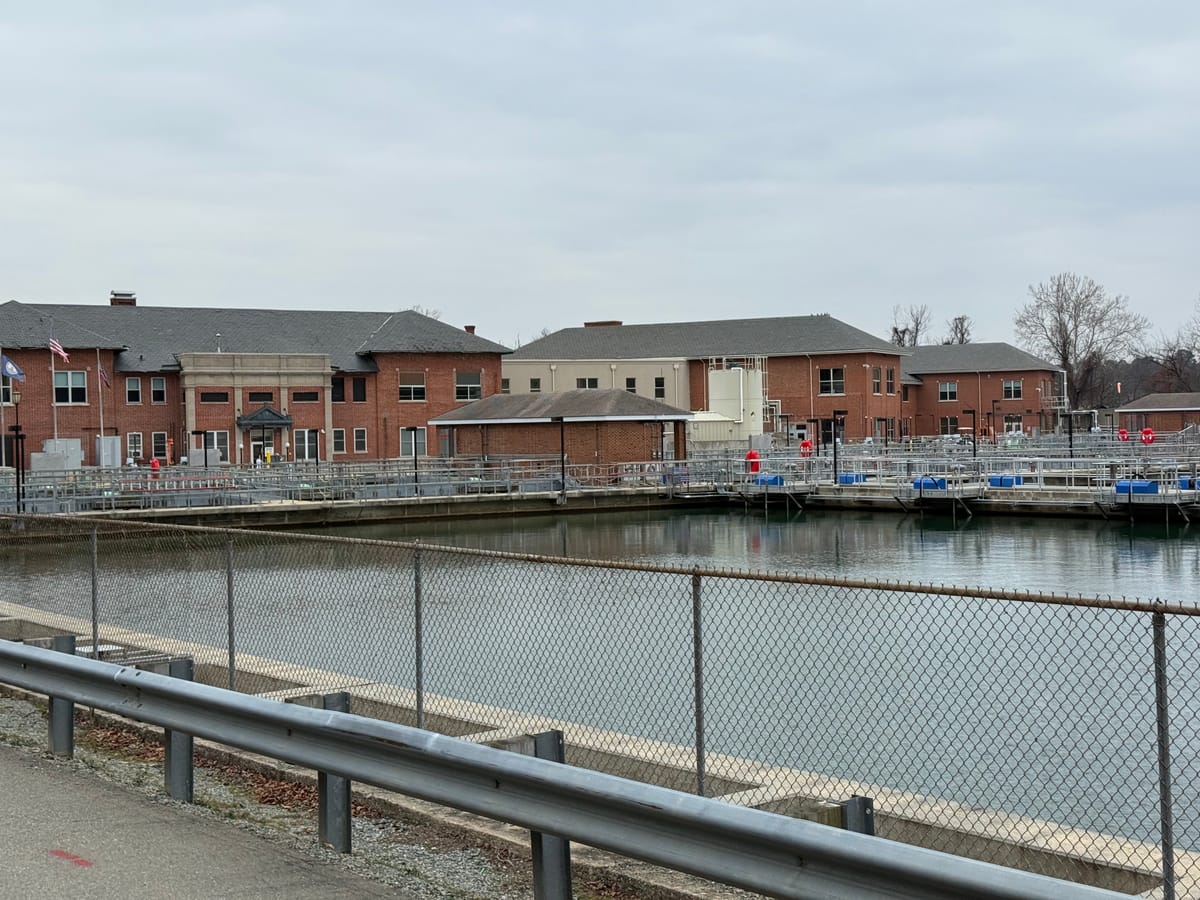
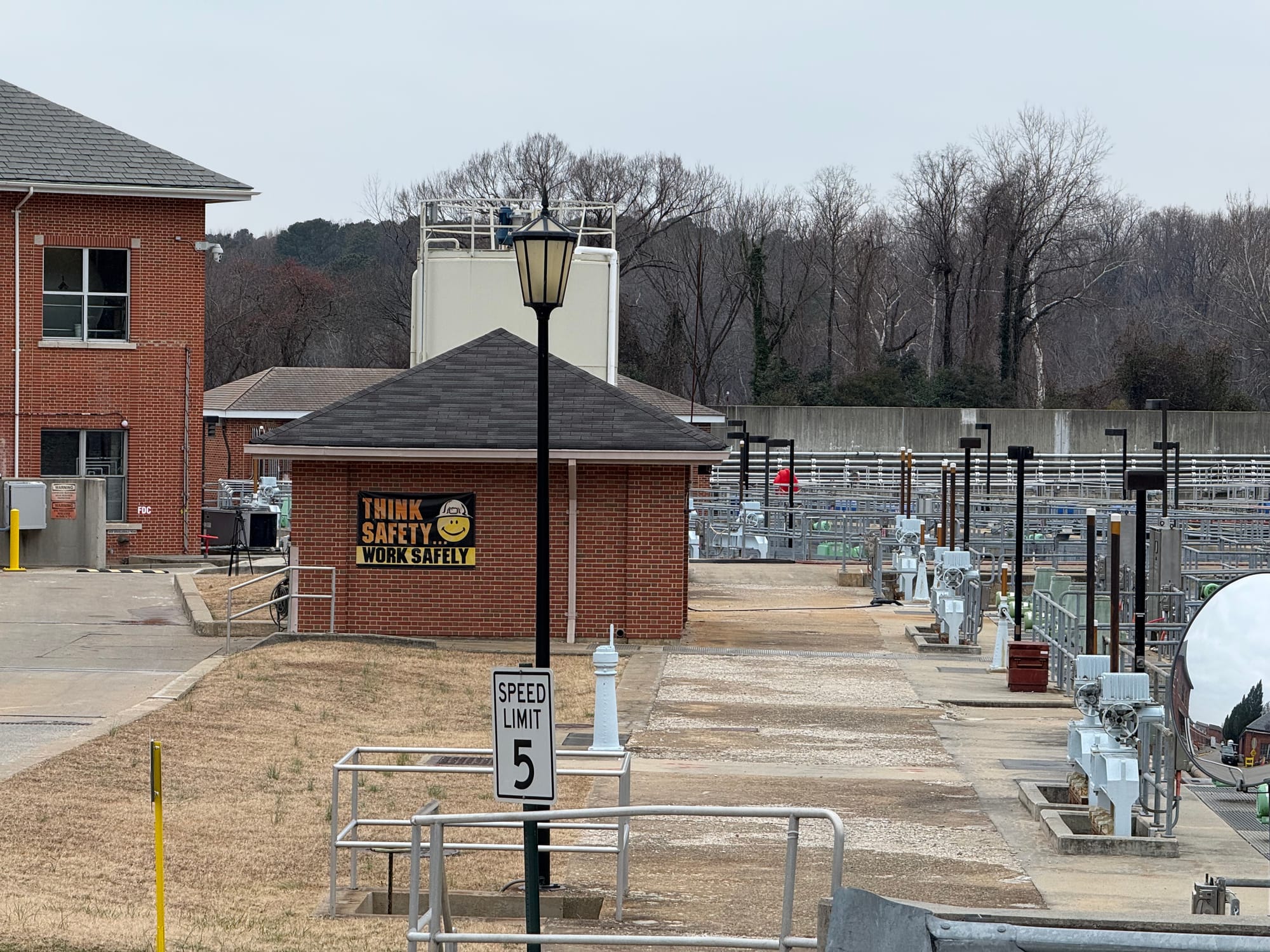
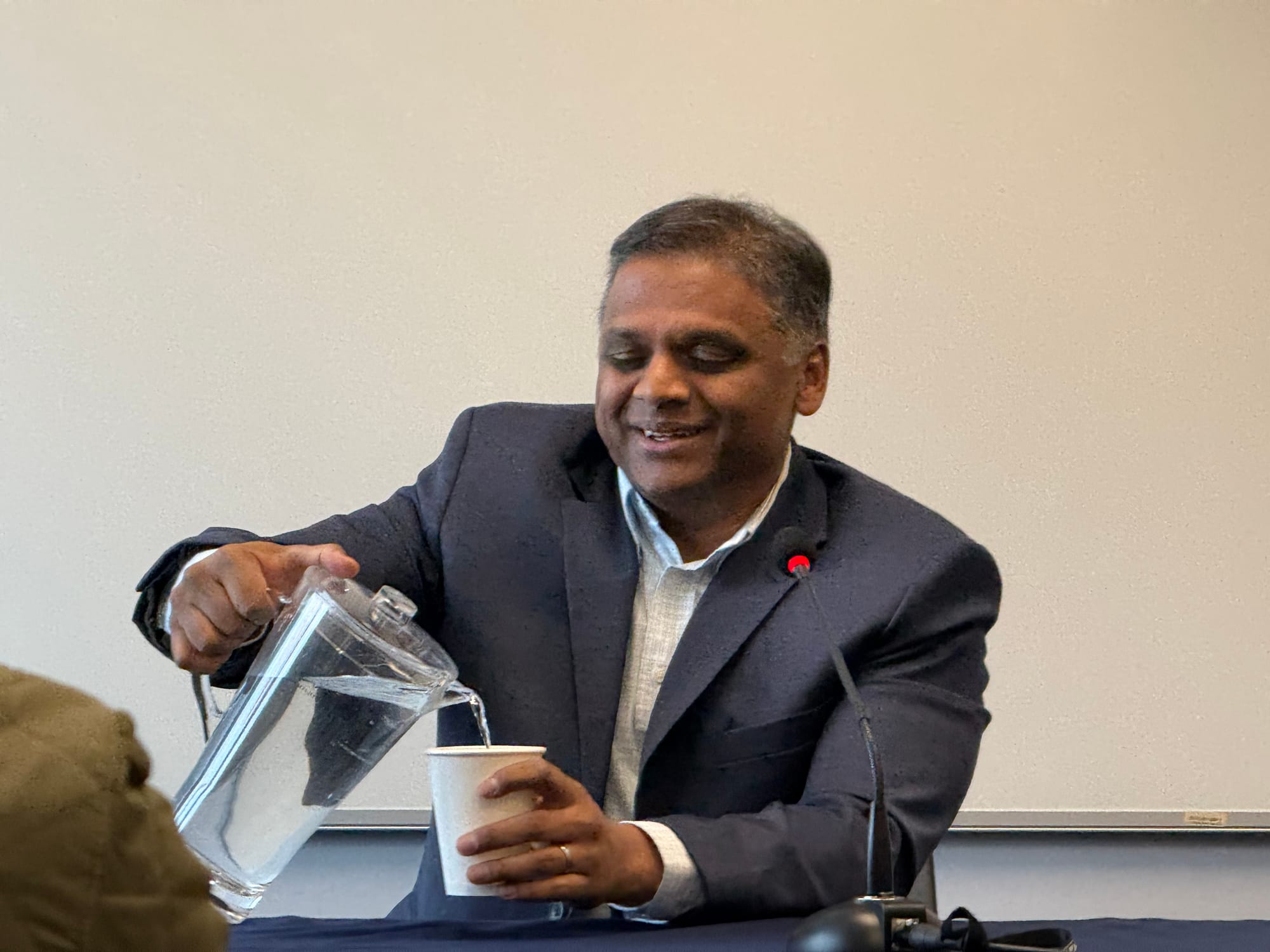
To mark one year since the 2025 water crisis, the city held a panel discussion and media tour Monday at the treatment plant, parts of which are more than 100 years old. Avula and DPU officials spotlighted several pieces of new equipment recently installed at the facility, including new electrical switches and backup batteries meant to keep the plant running if the power goes out.
State water regulators with the Virginia Department of Health also attended the event in a more secondary role, and generally concurred with the city that progress is being made at the water plant.
Dwayne Roadcap, director of the Virginia Department of Health’s Office of Drinking Water, said the agency can’t regulate “culture.” But they’ve seen a “dramatic change” in leadership of Richmond’s water utility.
“As I told the mayor before the meeting, we're not where we need to be,” Roadcap said. “But with an old water system, I don’t know that you’ll ever get there. One of the key things that you need to have in place is solid, good leadership. Which they have, from what we’re seeing.”
In November correspondence with state regulators, the city said it has resolved roughly 90% of 232 regulatory compliance issues previously identified at the plant.
A closer check on that reported progress could occur this month, with the state scheduled to conduct an in-depth inspection at the Richmond facility that will involve a “holistic review of changes made at the water system.”
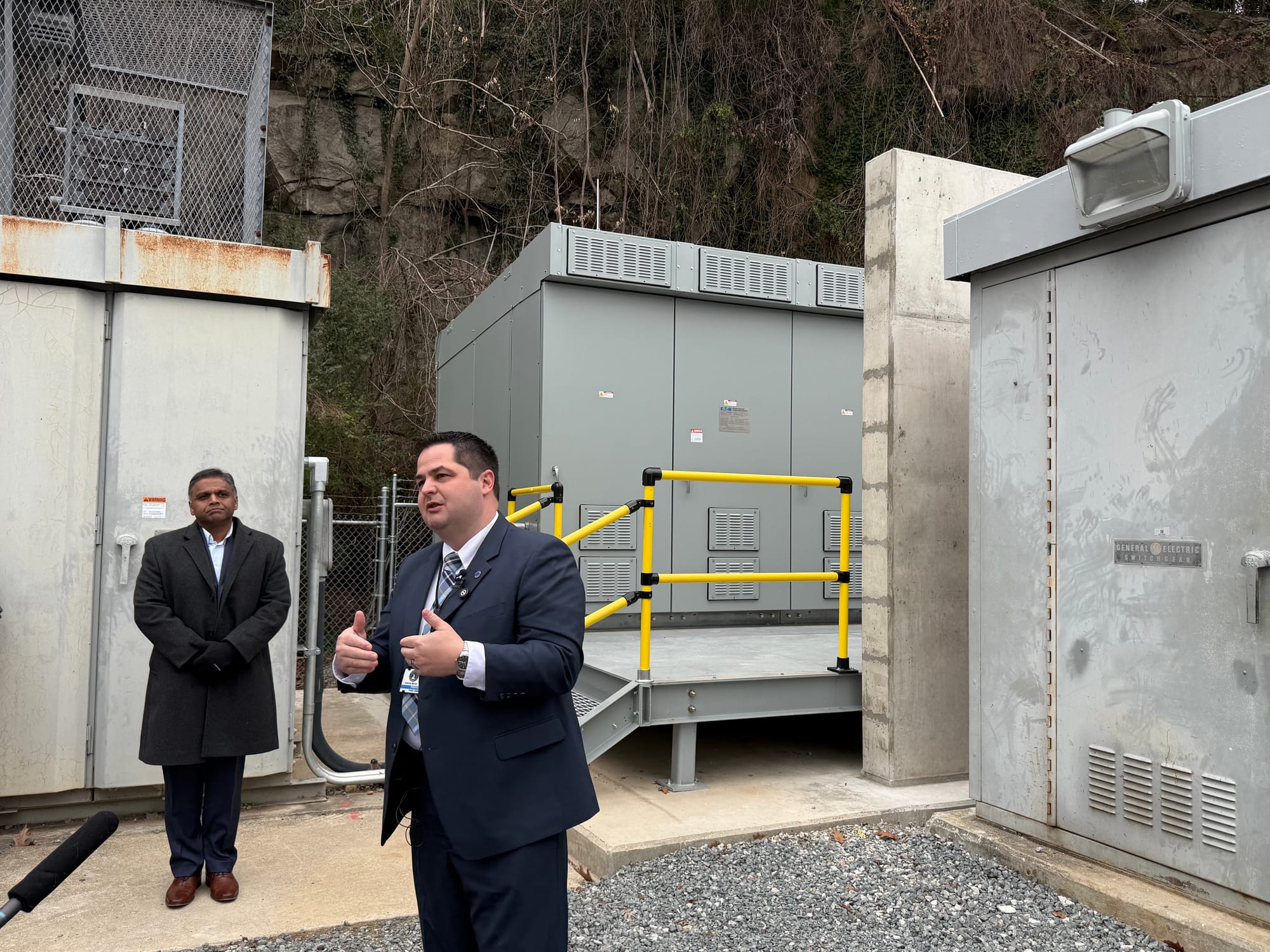
Electrical equipment replaced
The plant’s power systems have now been fully automated, according to DPU Director Scott Morris, a former state water official who has been widely credited with steadying the department after last year’s turbulence.
The plant’s electrical switchgear — the mechanism that didn’t work as needed and ultimately caused the facility to lose power for about an hour and 20 minutes — has been replaced. The facility now has multiple switchgears in case one fails, Morris said. The diesel generators that offer a third backup source (but weren’t used in last year’s outage) are now set up to turn on automatically if both switchgears fail.
“It’s almost like a belt, suspenders, overcoat type of scenario to try to make sure that no matter what scenario plays out, you have at least some power come to the facility,” Morris said.
One of the key factors that led to last year’s crisis, according to multiple incident reviews, was the city’s decision to try to save money by having a less-resilient power supply during winter months. The thinking at the time was that the potentially high winds of summertime storms were a bigger threat to the plant’s power supply than winter storms.
In what was previously known as “summer mode,” two feeds from Dominion Energy powered the facility at the same time, which meant power would stay on if one feed failed. In what used to be called “winter mode,” only one feed was active, and the switchgear was supposed to transfer the facility to secondary power if the first feed failed.
In one of the more immediate fixes after last year’s failure, the plant was shifted to summer mode year-round, making it less likely that any weather could disrupt power to an essential facility.
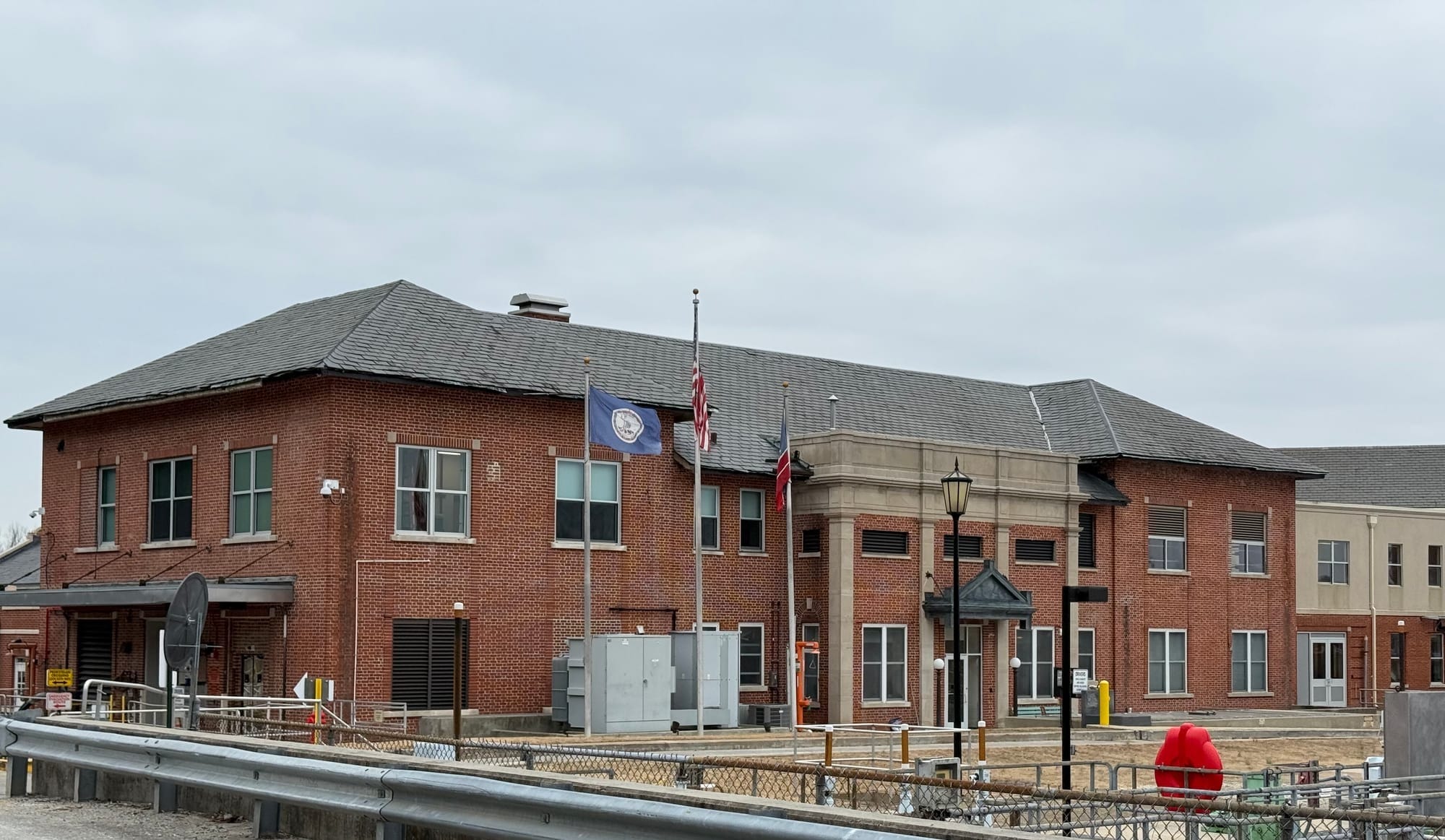
DPU officials have also beefed up the plant’s battery backup systems, a final failsafe meant to provide about an hour of power to keep things running even if the other sources fail. According to a state review of last year’s crisis, the city’s failure to test and maintain the batteries was a primary cause of the outage.
To make sure all the new equipment works, Morris said officials cut power to the plant and watched what happened.
“Everything worked,” Morris said. “We’ve done that practical test. We’re going to be doing that practical test every year.”
Morris said he’s focused on ensuring that all risks to the plant are minimal. But in an unpredictable world, he can’t promise nothing bad will ever happen again.
“Mother Nature is not forgiving,” he said. “There are times when there’s something you just didn’t plan for. But what I can promise anybody is that we will be proactive. We will take care in how our systems operate.”
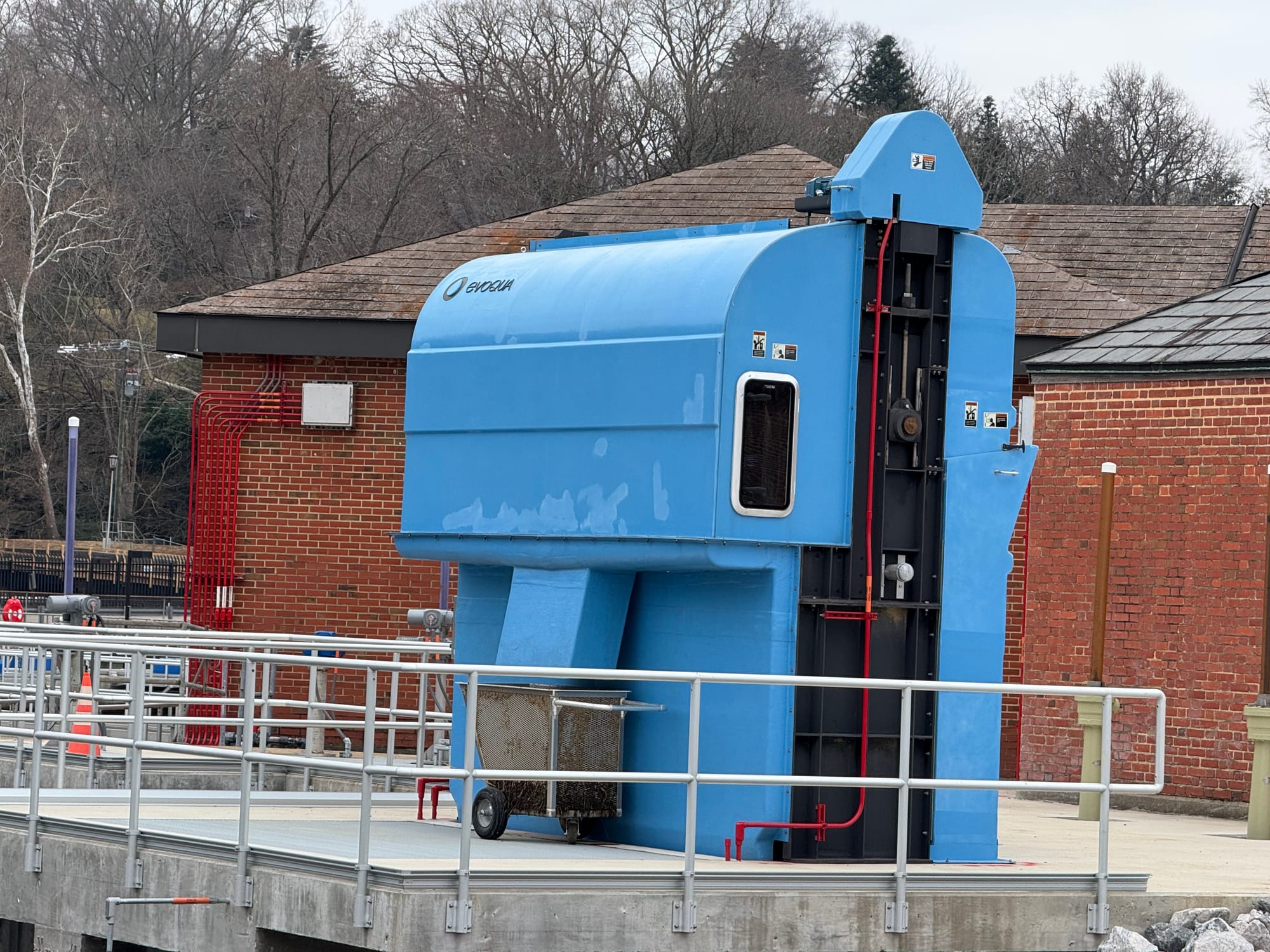
Some equipment moved out of basement
The flooding that occurred at the Richmond plant occurred in a basement room that also housed electrical equipment susceptible to water damage. Raising electrical systems and pumping equipment up and out of the basement is one of the items listed on the city’s to-do list, but it’s still listed as “pending” in the city’s latest update to state regulators.
On Nov. 7, VDH asked the city to provide more information about whether it plans to move pumps and motors to higher ground on the plant’s ground level, which would likely require installing a different type of pump at a cost of around $11 million. A consulting firm that reviewed the Richmond water crisis for VDH said the pumps and motors would still be “at risk” if left in the basement prone to flooding.
In a Nov. 13 response, DPU took issue with that recommendation to move the pumps, saying it would be an expensive and complex project when flood protection can be achieved through other, less costly steps the city is already taking.
Though the basement-level pumps remain an unresolved issue, Morris said much of the electrical equipment has already been moved out of the room that flooded. The DPU director said he’s trying to handle as many action items as possible without unduly saddling residents with higher water bills.
“Everything that we could do quickly, we moved out of the basement,” Morris said.
At Monday’s event, city and state officials said the decision on moving the pumps is still being talked over. That issue, Avula said, is a good example of the tradeoffs involved in trying to figure out what infrastructure projects the city can realistically afford without causing water bills to spike.
“The balance of what financial resources we have and what’s the impact on the ratepayers is always going to be central to how we make a next step,” Avula said.
Though state regulators have offered praise for the city’s turnaround efforts, the exchange of letters from this fall shows there’s been some friction over what level of detail the city has to provide the state under the terms of the improvement plan Richmond was put under.
City officials sent the state a spreadsheet showing the status of hundreds of issues identified at the plant. In its response, ODW said the spreadsheet didn’t offer enough specifics on exactly what the city was doing. A column on the spreadsheet meant to show what the city had done for each item only included broad status descriptions such as “Corrective Action Taken,” “Planned” or “Acknowledged.”
Regulators asked for more detail on what those terms mean, such as describing what corrective action was taken and, if the city was only acknowledging a suggestion with no plans to follow it, an explanation of the city’s reasoning.
More thorough information, the director of ODW’s Richmond field office wrote, could help both regulators and the public better understand what’s being done at the plant. In response, city officials insisted they did not have to provide additional information through the formal corrective process, which they said does not require an “exhaustive step-by-step analysis” for how the city is fixing every water problem.
Talk of regional water authority fades
Because some other Richmond-are localities, most notably Henrico County, depend on the city water system to serve their residents, the crisis gave rise to the idea of creating a regional water authority to oversee the system in the future.
Discussion of that idea has faded with time, and there appears to be little interest in pursuing it further.
“I don’t think we’re heading towards a water authority,” Avula said.
However, the mayor and Morris stressed that less-formal methods of regional cooperation have grown stronger over the past year, with the city collaborating more closely with county partners on long-term water system planning.
Avula — a former public health official who was involved in the 2018 unification of the Richmond and Henrico health districts — has pushed for a more regional approach to water.
He convened a joint meeting in June between the Richmond City Council and Henrico Board of Supervisors to discuss the matter. That meeting didn’t go exactly as planned, with some City Council members questioning the premise the city could benefit from giving Henrico more direct control over a city-owned asset, and some Henrico supervisors taken aback to hear their city counterparts talking as if Richmond was having no trouble running the water system on its own.
City Council leaders indicated at the time the city’s legislative body wanted more time to discuss the matter on its own before making any commitments to Henrico, but water was not a major topic of public discussion for the Council in the second half of 2025.
Still, Avula said he feels good about the more behind-the-scenes coordination occurring between the two jurisdictions between the unelected officials who run day-to-day water operations.
“I think over time, the further we get from Jan. 6, there will be some healing that happens,” Avula said. “But I feel great about the regional connectivity, certainly at the DPU level and at the administrator level. And I think our elected officials are also sort of seeing that and getting there.”
Impact on water bills uncertain
In the wake of the water crisis, Richmond officials have created a list of $1.4 billion in capital projects meant to strengthen the city’s water system over the next decade, both at the treatment plant and throughout the network of pumping stations, tanks and pipes that keep water moving throughout the city.
The city water system is funded largely through the monthly bills city water customers pay. Water rates are periodically adjusted based on the infrastructure projects the city has in the works, which means the extensive new investment the city has identified could drive up water bills in the future.
In an attempt to partially mitigate that impact, Avula requested $80 million in state funding as Virginia policymakers prepare to convene this month for the 2026 General Assembly session. Departing Gov. Glenn Youngkin didn’t include the funding in his final budget proposal, which will be handed off to Gov.-elect Abigail Spanberger to finish a few months after she takes office.
 Graham Moomaw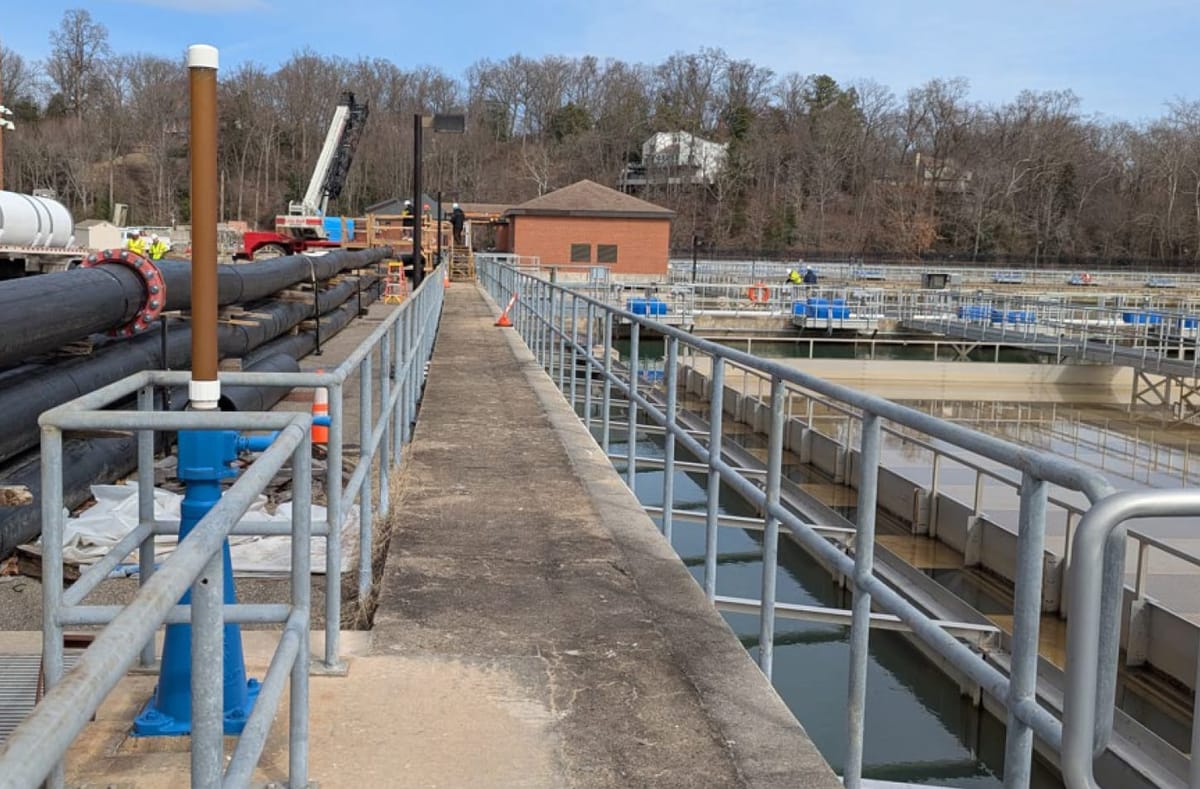
Any funding Richmond is able to secure from outside sources would help the city avoid raising water bills to pay for the projects officials want to do in the next 10 years. But the exact ramifications for local water affordability are unclear.
The Richmonder filed a public-records request for recently prepared financial projections showing various funding scenarios for the water system. The city denied that request, citing a Freedom of Information Act exemption that shields mayoral working papers.
In the interview, Avula said the city intends to spread water projects as needed to prevent a huge spike in water bills. Officials will have to reevaluate capital spending plans for water infrastructure, the mayor said, depending on how the state budget shakes out.
“If we don’t get any more money from the state, then that will absolutely have implications,” Avula said.
Contact Reporter Graham Moomaw at gmoomaw@richmonder.org