Youngkin’s budget doesn’t fund Richmond’s request for water system money
Departing Gov. Glenn Youngkin’s final budget proposal doesn’t include any direct funding for Richmond’s water system, despite Mayor Danny Avula’s request for $80 million.
In a letter to Youngkin this fall, Avula requested an infusion of state funding to help repair and strengthen water infrastructure in Virginia’s capital, where the state government relies on the city water system.
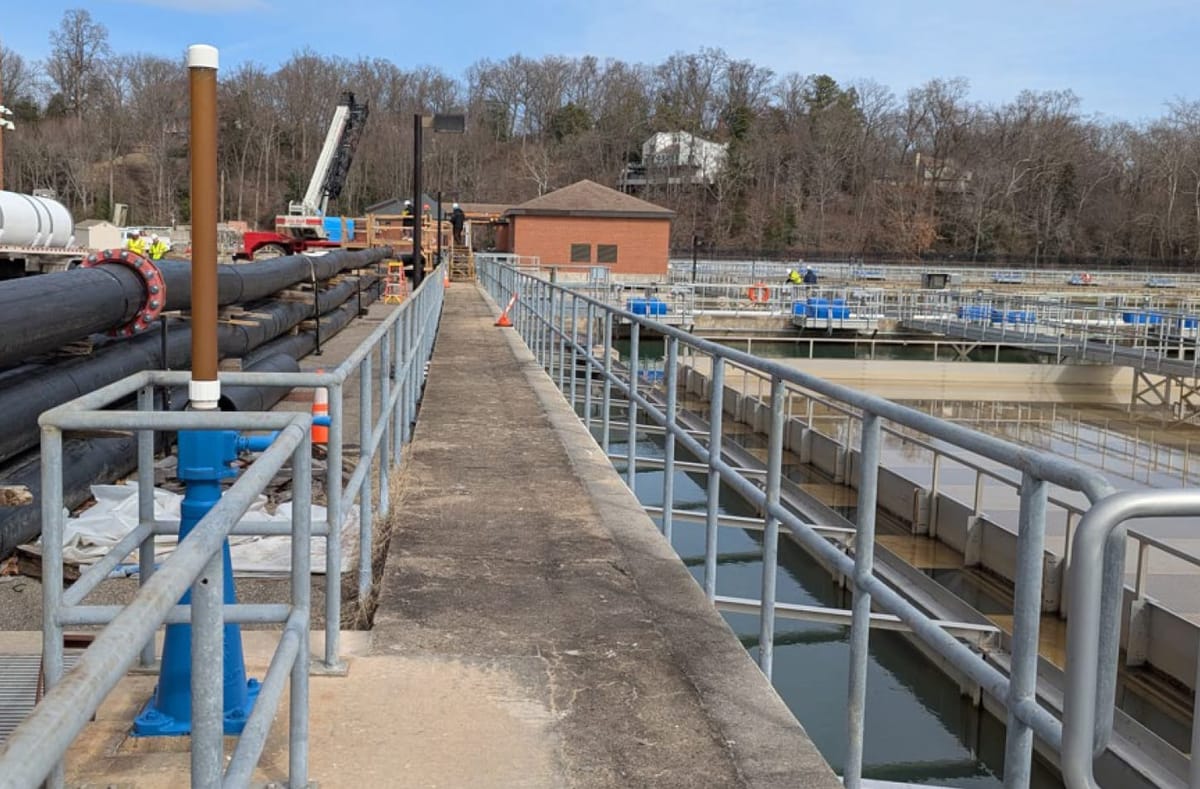
The mayor requested state assistance to help the city get moving on an estimated $1.4 billion in water system upgrades Richmond intends to make over the next decade, partly in response to the January outage that left the city without drinkable tap water for almost a week.
“It was disappointing to not see it in there, for sure,” Avula said in an interview when asked about the $212 billion total state budget proposal Youngkin presented this week.
The governor’s proposed budget is the first step in a monthslong process, and the final budget state officials approve in 2026 could be much different.
Gov.-elect Abigail Spanberger and Democratic leaders in the Virginia General Assembly will oversee the budget’s final passage, which means Richmond’s representatives at least have a chance to continue making their case for state funding.
Avula said he’s spoken with Spanberger about the water funding issue, but has not yet had a “meaty conversation about the specifics” with the incoming governor.
Virginia offers local governments some ways to apply for infrastructure grants, but Avula said he would have preferred to see a direct appropriation for Richmond’s water system.
“We have not had any further conversation with the governor’s office about why there wasn’t a standalone line item,” Avula said. “I understand this is a challenging budget year with massive Medicaid gaps, lots of needs.”
A Youngkin spokesperson noted that funding for teachers and other state-supported local employees, plus increases in Medicaid spending, accounted for 77% of the new spending in the budget and crowded out other local priorities.
Whether Richmond does or doesn't get state assistance could have a direct local impact. The city largely funds water-related projects through the monthly bills water customers pay. The more the city has to raise infrastructure funding on its own, the more cost pressure that could add to local water bills.
The water funding request is one of the top priorities listed in Richmond’s 2026 legislative agenda, along with an ongoing request for money to help pay for the city’s combined sewer overflow project meant to keep sewage from spilling into the James River during heavy rainfalls.
Youngkin’s budget has no new money for Richmond’s CSO project either.
“I think we now need to work with our larger region and see if we can get more support from the delegation as we head into this next phase of budget development,” Avula said.
Contact Reporter Graham Moomaw at gmoomaw@richmonder.org. This article has been updated with a comment from Youngkin's office.