The Squirrels stopped playing ball with VCU. But if things get messy, it’s taxpayers who would strike out
Deadlines produce action, and in October it appeared one of the final roadblocks to Richmond’s Diamond District project had finally been cleared.
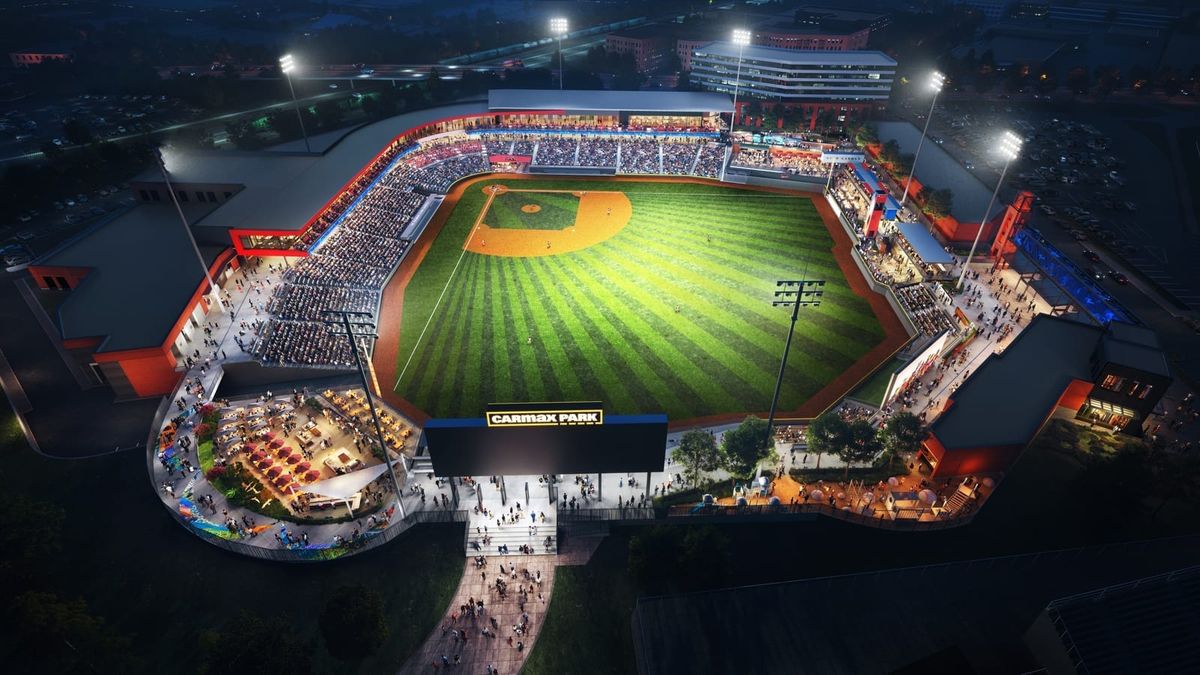
The new baseball stadium for the Richmond Flying Squirrels, along with an adjacent mixed-use development, is being built mostly on land owned by the city. However, the portion that currently houses Sports Backers Stadium is owned by VCU.
The project was set in motion with verbal agreements, but VCU hadn’t signed a final contract stipulating terms.
The school was still negotiating over how much it would pay for its baseball team to use the new stadium (the Rams currently play at The Diamond), as well as the final cost to sell Sports Backers Stadium to Richmond’s Economic Development Authority.
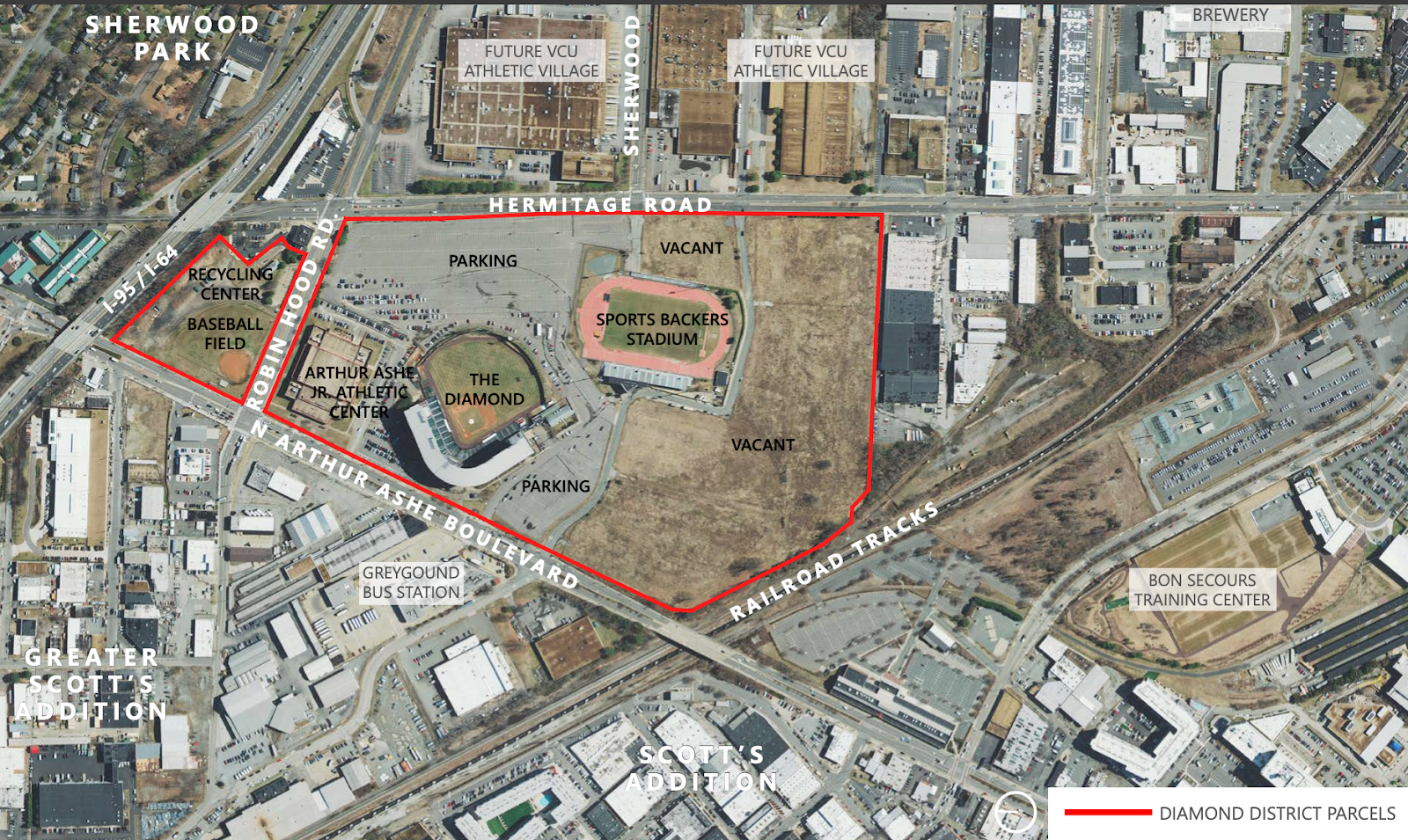
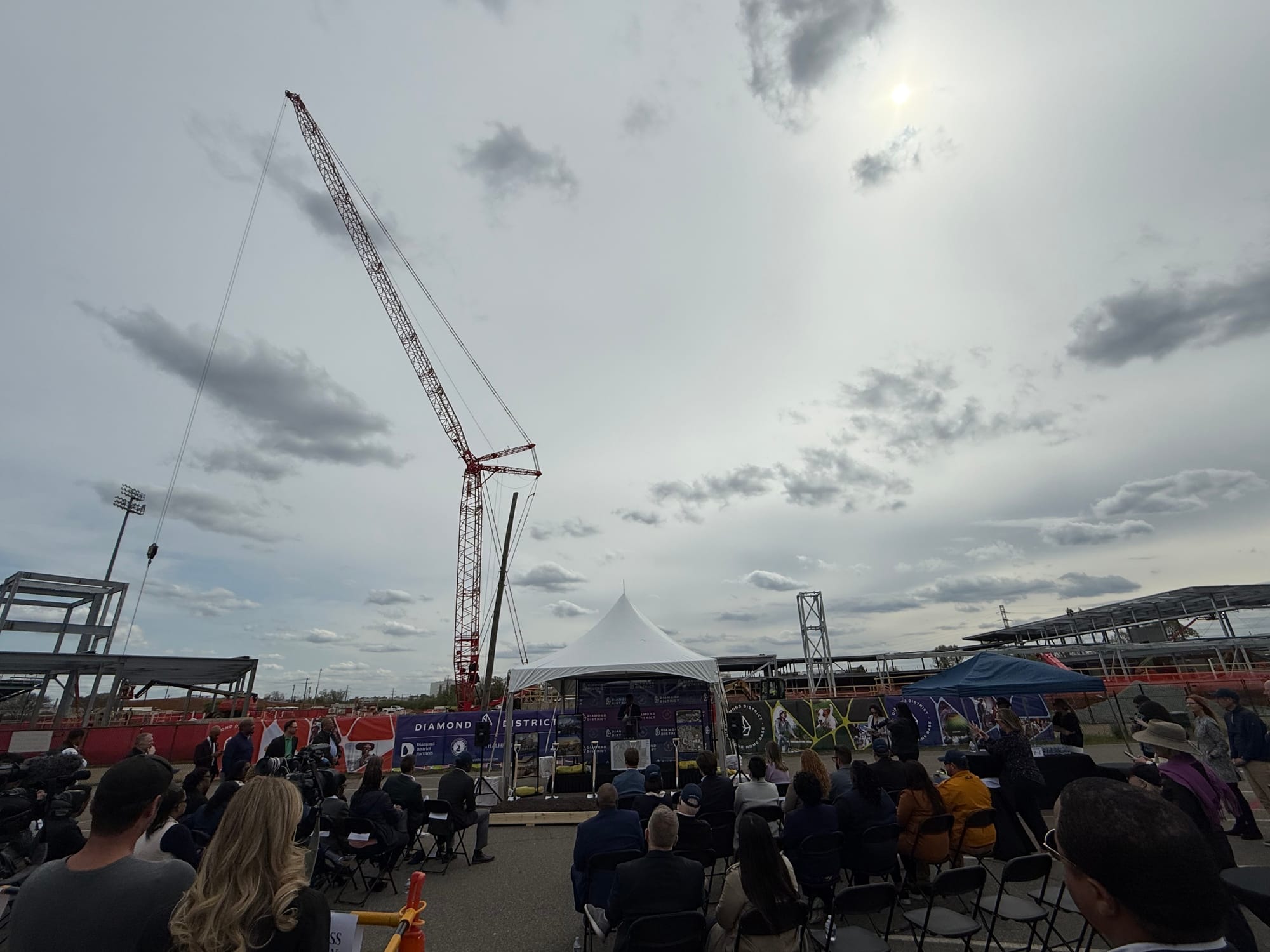
At the October event, officials from all three groups signed a memo of understanding, agreeing to finalize the terms within weeks: VCU would pay the city $410,000 a year in rent on the new stadium, and would pay the Squirrels $300,000 a year to contribute to maintenance costs. The EDA would pay $25 million to VCU for the land, according to reports in BizSense and the Times-Dispatch.
However, the deal still hasn’t made it across the finish line.
On Friday afternoon, the Flying Squirrels, through an out-of-state PR consultant, released a statement saying they had ended negotiations with VCU over the use of CarMax Park.
While the Squirrels will lose out on revenue, and VCU’s baseball team could find itself homeless when the new stadium opens, the biggest potential loser, by far, is the city and its taxpayers.
If the disagreement over the baseball terms holds up the transfer of Sports Backers stadium, the city won’t be able to develop the housing and retail portions of the project, which are key to generating revenue.
Richmond Mayor Danny Avula and VCU President Michael Rao issued a joint press release expressing optimism that things would get worked out.
“I am committed to supporting our partners and getting this thing done,” Avula wrote. “I’m confident that we’ll all be playing ball in the coming months."
“VCU remains committed to working together with our partners on an exciting and successful season of baseball in CarMax Park,” wrote Rao. “We are optimistic about bringing to closure the final details and are committed to doing so because our partnership with the other players on this project is important.”
Bond clock starts ticking
In July of 2024, facing a last-minute deadline to access about $24 million in state tax credits that were expiring, the city made a major change to how it was financing the project.
Instead of making repayment of the bonds being contingent on development revenues in the Diamond District itself, the city guaranteed them with the city’s “full faith and credit,” meaning they will be repaid out of the general fund if revenues don’t meet projections.
The document sent out by former Mayor Levar Stoney’s administration explaining the switch noted both a lower interest rate, saving the city money, and also the possibility that site-dependent bonds would be tough to sell.
The revenues from the site will largely come from the housing, office and retail development surrounding the baseball stadium, not the stadium itself.
The city will issue about $130 million in bonds to finance the project, and needs the Sports Backers Stadium land in order to fully produce that revenue-generating development. The site was originally supposed to be cleared before April’s opening game at CarMax Park, though that appears unlikely now.
In a Sunday email, a city spokesperson told The Richmonder: “Sports Backers Stadium is key to creating a thriving, mixed-use Diamond District, and the City of Richmond continues to work toward that transaction on a timeline that supports the rest of the Diamond District development.”
While VCU holds significant leverage as long as it maintains possession of the site, the university runs the risk of looking like it is standing in the way of a major civic project.
What will VCU baseball do?
Because the college baseball season starts in February, and Minor League Baseball doesn’t start until April, VCU was already planning to start this season by playing at The Diamond.
Stadium lights have already been moved from The Diamond to CarMax Park, so the Rams will only be able to play baseball games during daylight hours.
The plan was for VCU to move across the street in April, when CarMax Park is finished. The team has just 11 games this year scheduled at the new stadium, but two of them are marquee contests against Virginia and Virginia Tech that would likely draw big crowds to the new venue.
It’s unclear whether VCU would be allowed to finish out the season at The Diamond if no agreement is reached, but the Rams can likely find a way to complete this season without issue.
That gives the two sides another calendar year to continue talking. If they’re still at an impasse in 2027, things would get more challenging, with VCU potentially exploring playing games at a regional venue like RF&P Park in Glen Allen, Shepherd Stadium in Colonial Heights, or a new complex under construction in Henrico.
Part of the issue for the Rams is that their baseball team does not generate significant revenue. On federal revenue disclosure forms, it is listed with “other revenues” instead of being broken out as its own item.
Most of their games are played in front of hundreds, not thousands, of fans, so any expense VCU incurs to play at CarMax Park is unlikely to be recouped in ticket or concession sales.
Squirrels work towards new revenue sources
In its statement, the Flying Squirrels said they negotiated with VCU “in good faith as a community partner … even though it was not in the Squirrels’ financial interest, nor ideal for the maintenance and condition of a professional field.”
The economics change dramatically for the Squirrels with the move to CarMax Park. The team will pay $66 million in rent over the next 30 years, which the team says is one of the most expensive leases in Minor League Baseball. (The most recent Eastern League team to build a new stadium, the Hartford Yard Goats, pay about $1 million annually in rent.)
Squirrels owner Lou DiBella said in December the team plans to turn the new stadium into a year-round venue, with weddings, corporate events and concerts.
 Ian Stewart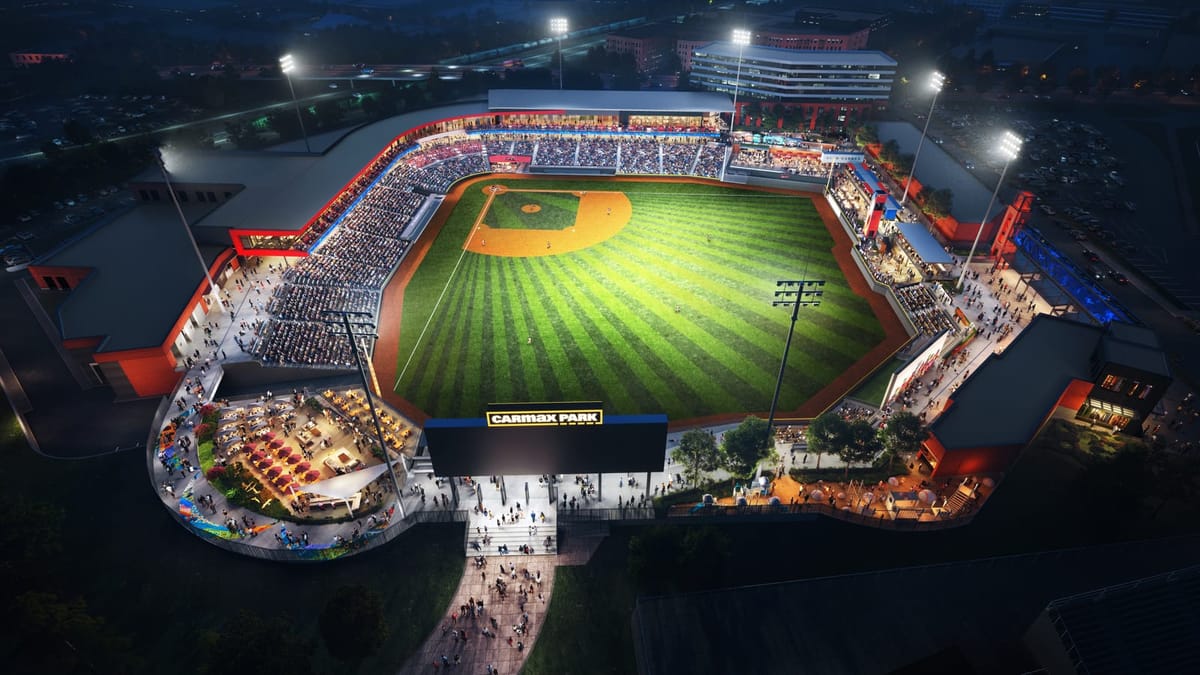
Without VCU playing baseball games at the new facility, the Squirrels will have more dates available for those events, but they will face a competitive event-space market that includes the new amphitheater and Main Street Station’s new shed.
What’s next?
The breakdown in negotiations is the first major test for new EDA director Angie Rodgers.
 Graham Moomaw
Getting access to the Sports Backers Stadium land is crucial for the Diamond District development overall, which has already faced delays and lawsuits.
VCU has already vacated the stadium, with plans to move its soccer and track teams to a new Athletics Village on Hermitage Road.
There are a number of moving pieces, but Friday’s announcement by the Squirrels marks a major speed bump in the Diamond District project that could have major implications for taxpayers if an agreement can’t be reached.
Contact Michael Phillips at mphillips@richmonder.org. VCU is a sponsor of The Richmonder, but did not influence or review this story.