Shockoe Institute opens, confronting Richmond’s history and role in slavery
On April 9, 1865, the Confederacy first surrendered to the Union, effectively ending the Civil War.
Fast forward 161 years later, to the day, and local leaders gathered to mark the opening of the Shockoe Institute, which unveiled its inaugural permanent exhibit, “Expanding Freedom,” which spotlights Richmond’s historical legacy of slavery.
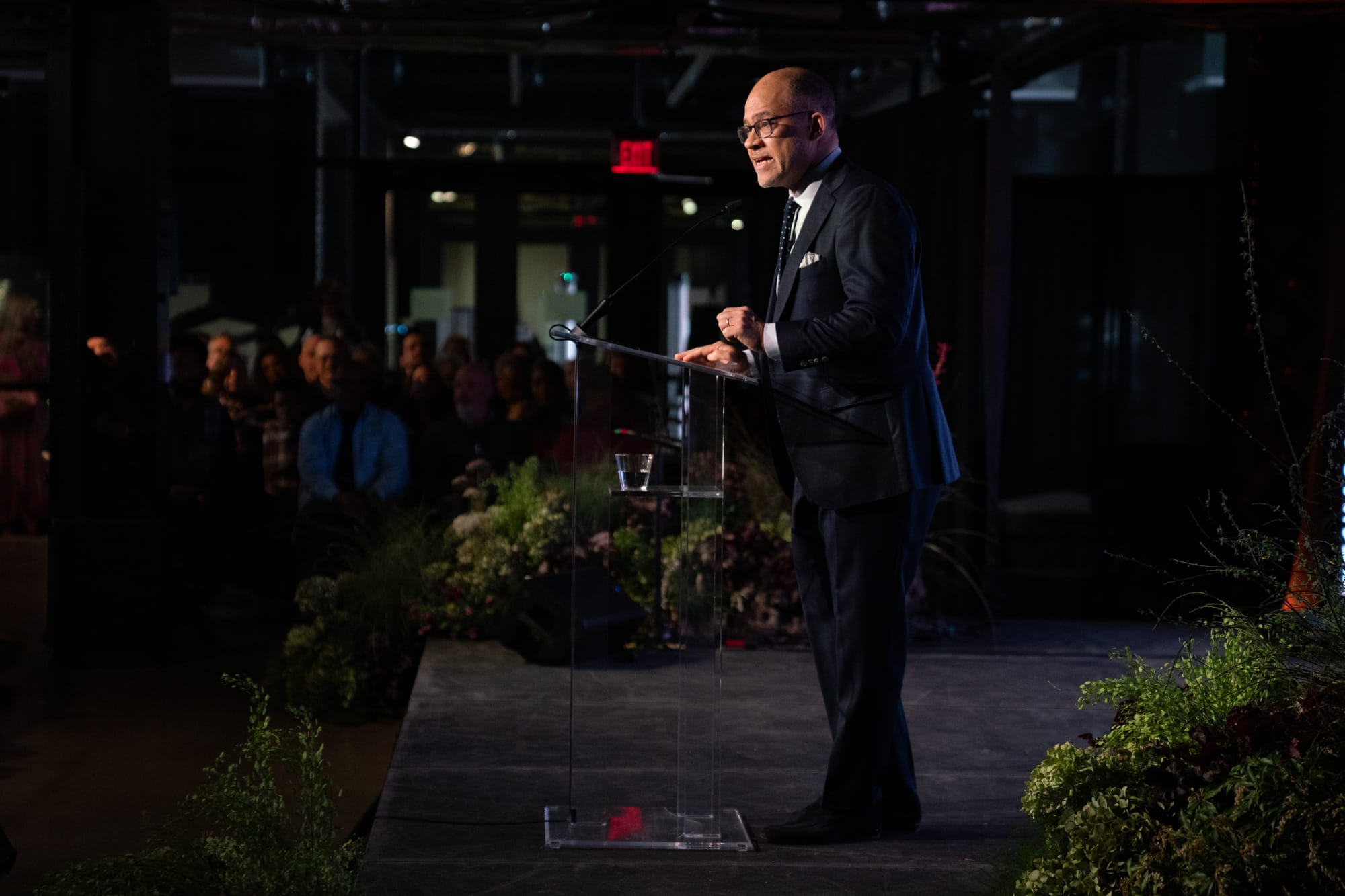
“Tyranny wants us to ignore the facts of our history,” said the Institute's CEO, Marland Buckner. “Tyranny wants you to believe that there is a hierarchy of human value, that some of us are just better than others. That is what tyranny needed to keep a nation enslaved, and that is what tyranny needs today.
“But it is only in the telling of our whole story, not as we wish it to be, but as it was, that our future can be made better than our past.”
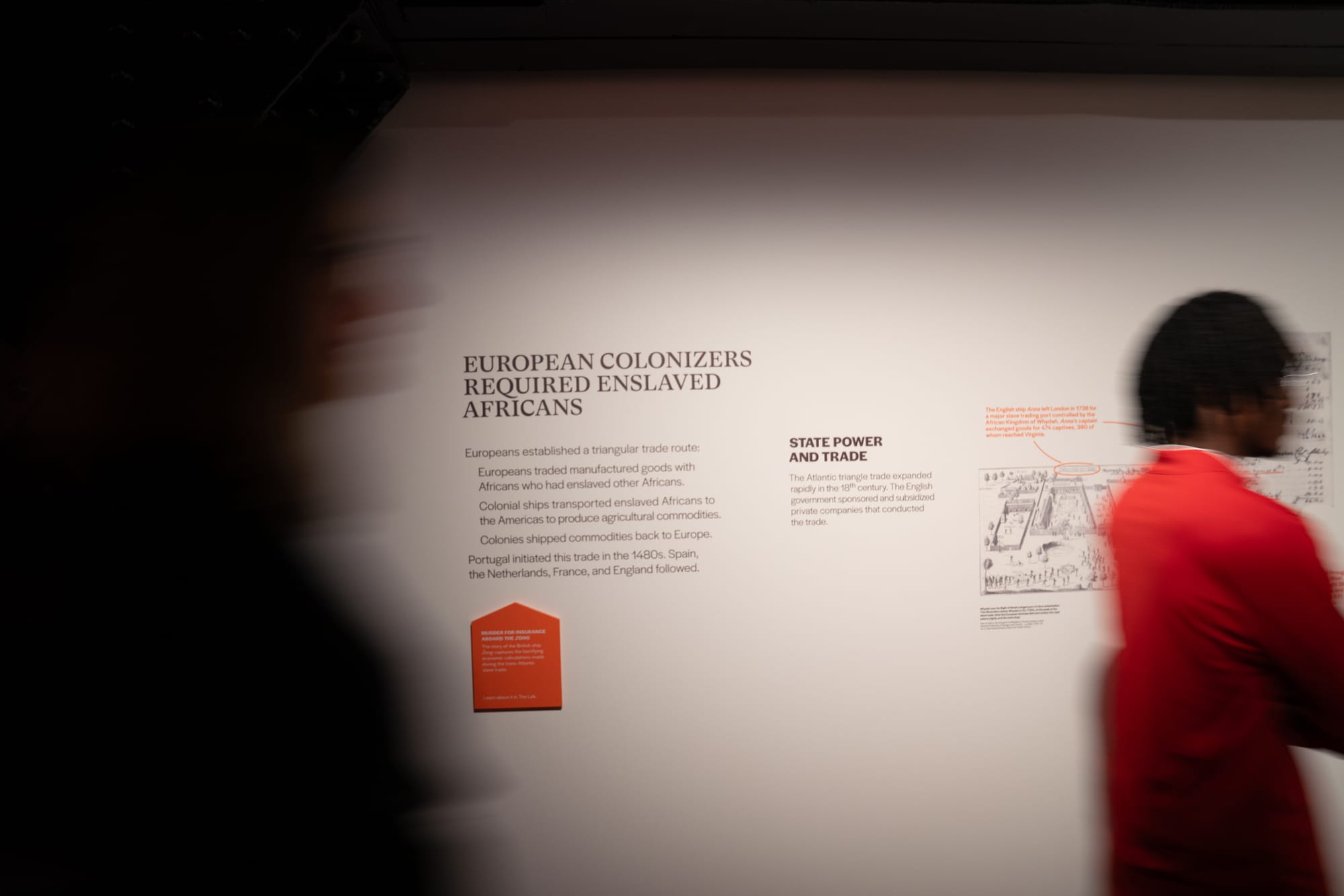
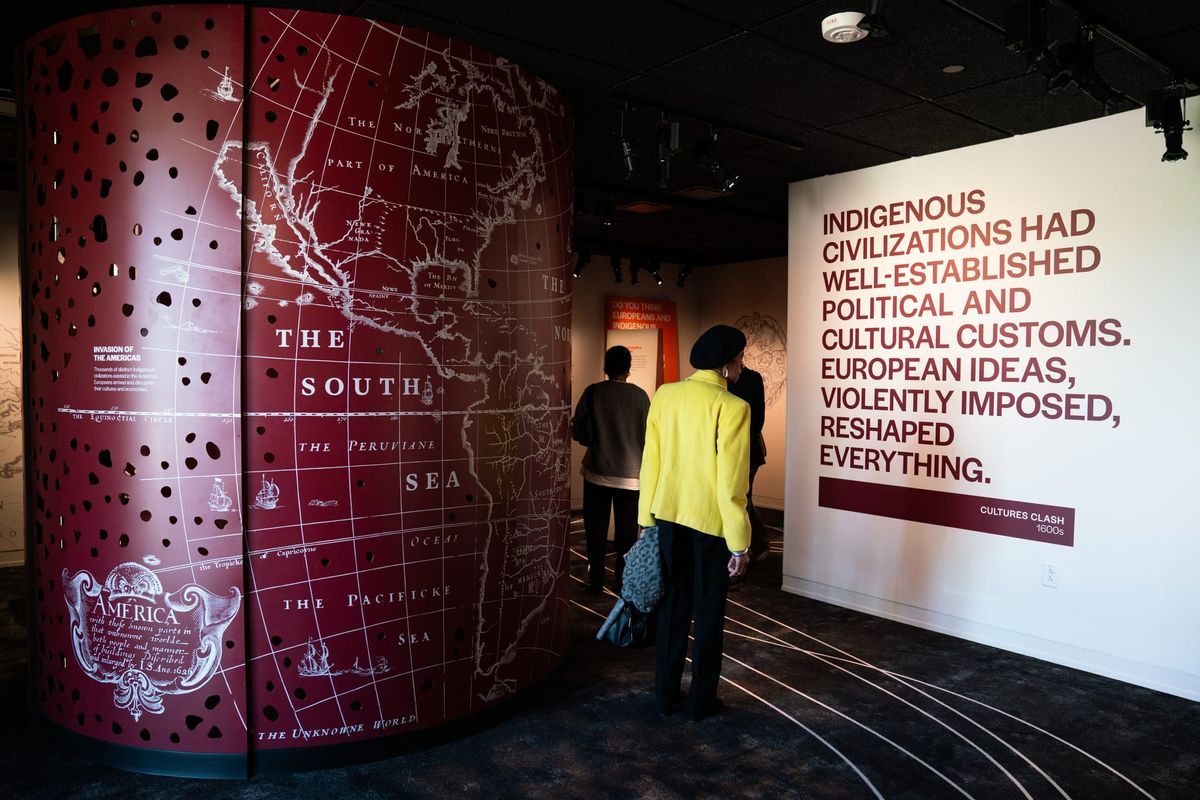
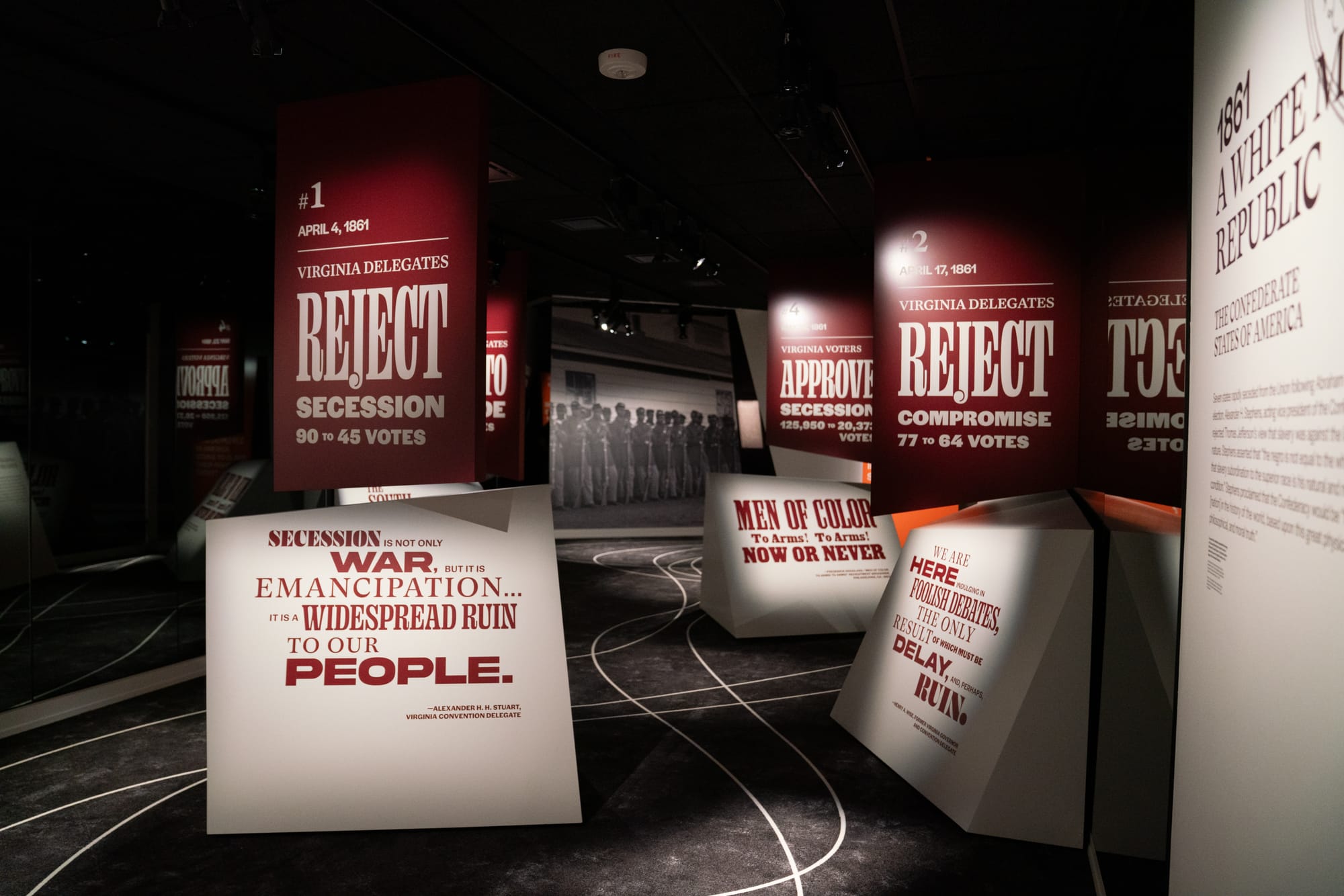
The 10,000 square-foot immersive and interactive experience, just underneath the Main Street Station in Shockoe Bottom, forces attention to what was a notorious hub for the transatlantic slave trade during the 16th to 19th centuries, and how much of a role the city played in leaving lasting impacts on the nation’s economic and social life.
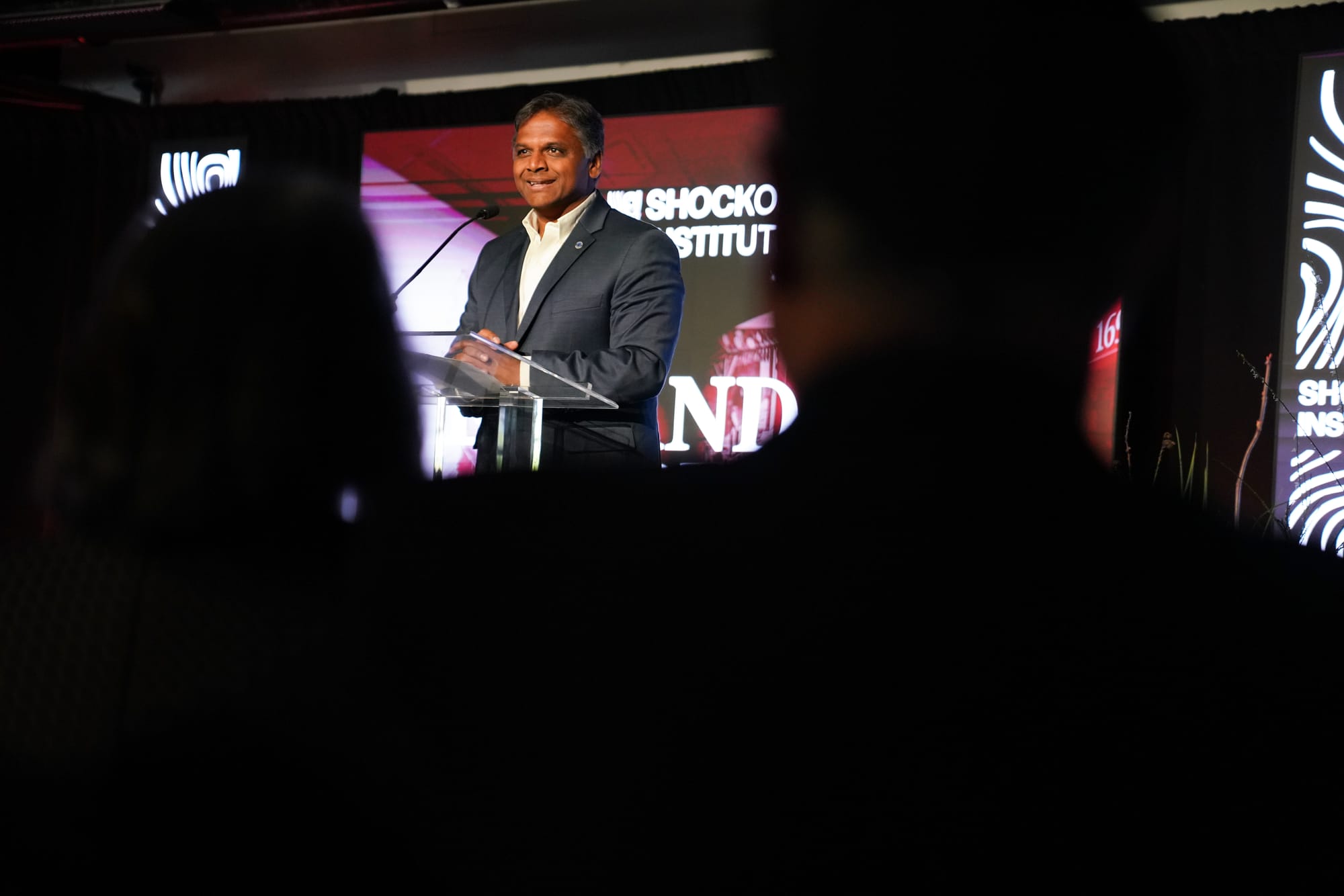
“Because the sheer scale of the domestic slave trade here in Richmond, it's estimated that one in four black people in this country can trace their ancestry back to Richmond,” said Mayor Danny Avula. “And so there's a broader vision to this work. One that not only contributes to the healing of our city, but to the healing of our entire nation.”
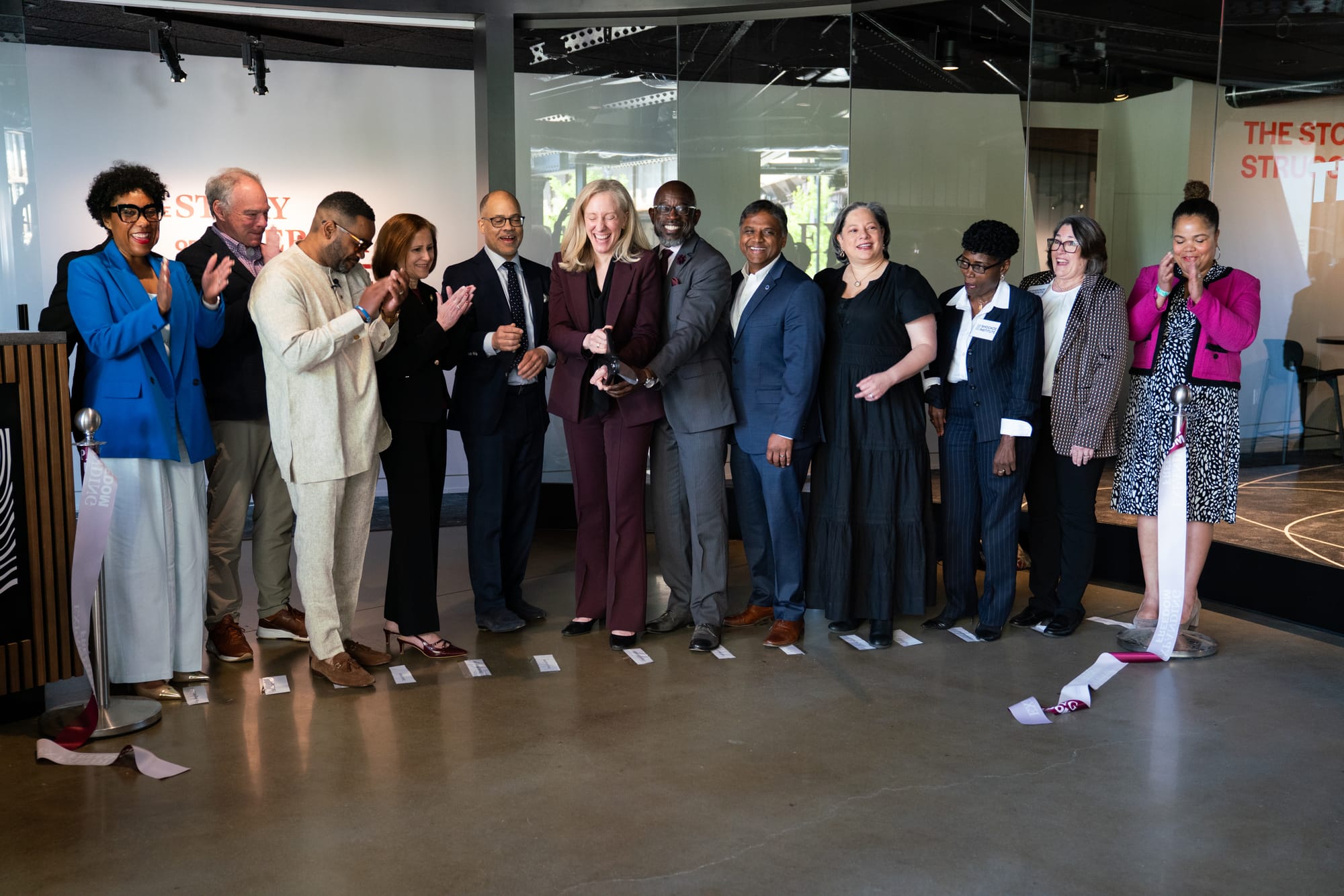
State and local leaders throughout the ceremony referred to the center’s goal for citizens to “learn, reflect and act” when at the space, especially in light of the United States' upcoming 250th anniversary of declaring independence.
“Human beings, families, mothers, fathers, children, were bought and sold here,” said Gov. Abigail Spanberger. “And to use those unvarnished, candid words, it matters for people's understanding of this thing that we talk about in history.”
High school students from Virginia schools, including Richmond Public Schools, were also invited to the ceremony, evidence of the Institute’s mission of allowing future generations to make better decisions based on the problems entrenched in Richmond’s past.
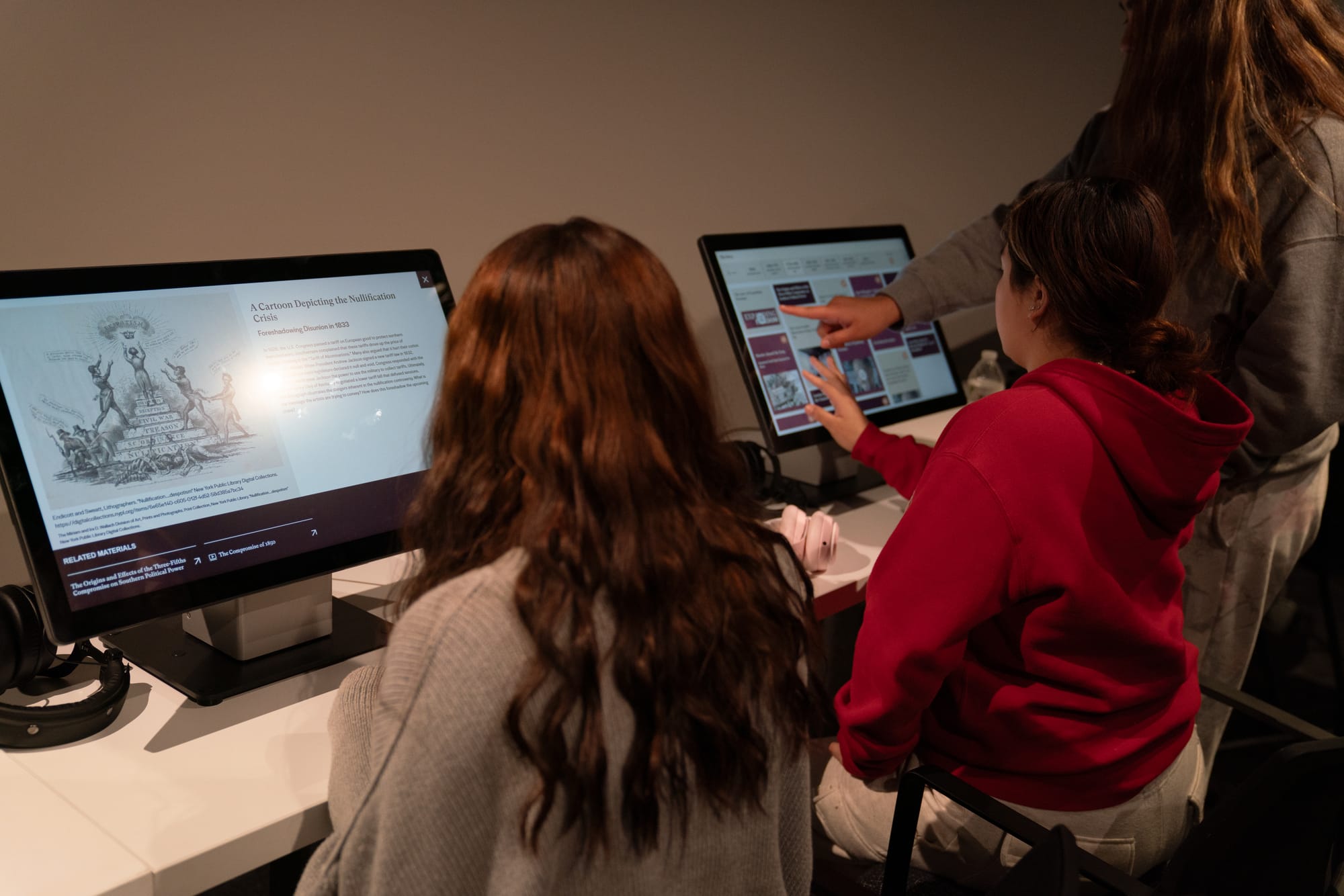
Students were seen using the center’s lab, which serves as a community space for the public and includes a digital library of all the history, research and information used in the exhibit. Shockoe Institute Senior Historian Gregg Kimball said that he reviewed an uncountable amount of documents to fully display Richmond’s history, saying that “there’s an intent behind some of these projects.”
The center was built and designed by Baskervill in Richmond, Team Henry Enterprises in Newport News and Local Projects in New York. The experience of the exhibit is influenced and guided by the location of it, as visitors are immediately met with a sound of flowing water coming from what was Shockoe Creek, now underneath the site. The floor of the exhibit is a map of Shockoe Bottom, showing where visitors are and which businesses engaged in the slave trade at the time. The location is also within earshot of where Lumpkin’s Jail used to be, which held enslaved people.
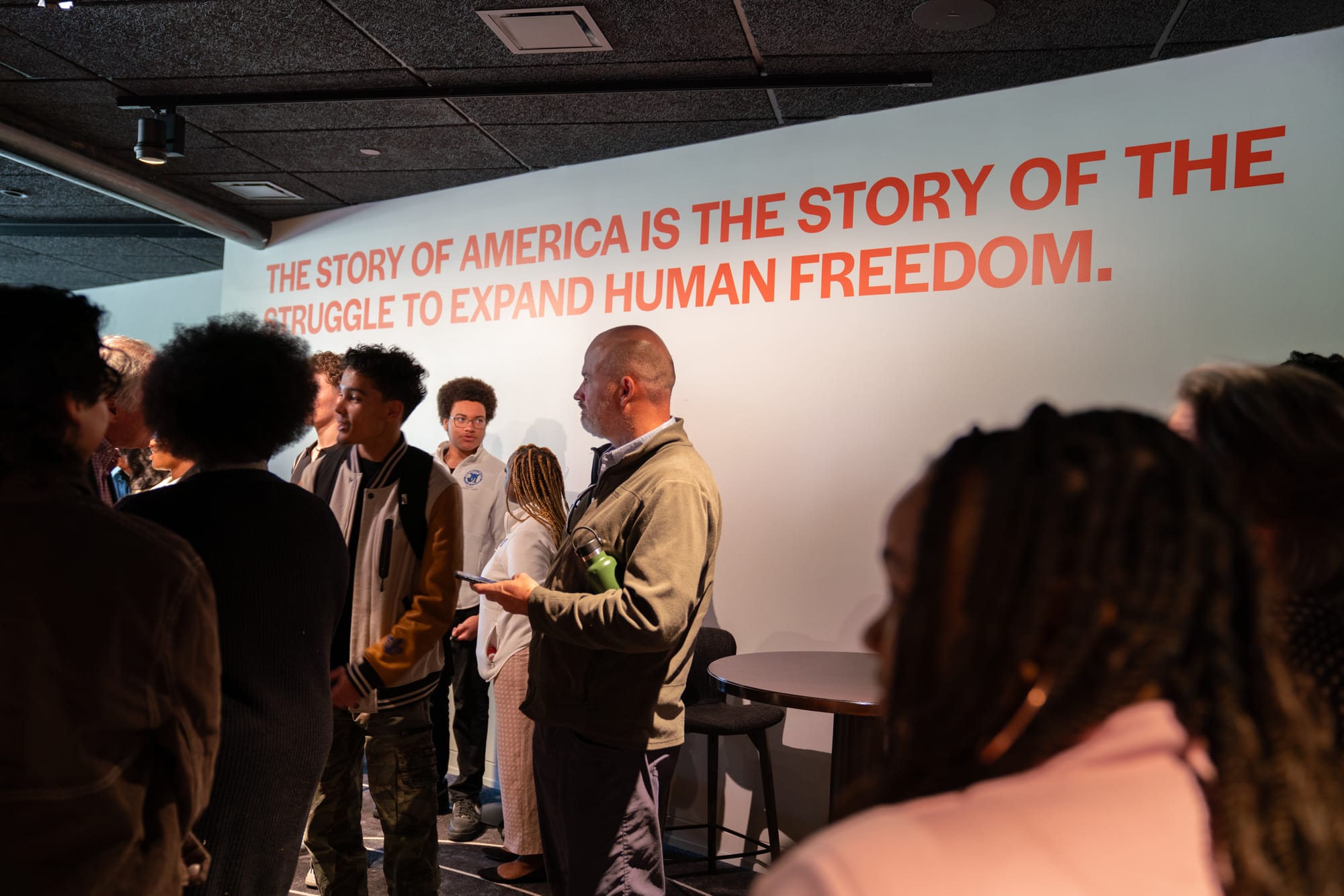
Throughout the exhibit, visitors can expect to hear, see and immerse themselves in the stories of indigenous Native Americans, slaves and Black trailblazers like Maggie L. Walker and Ida B. Wells.
The project is exclusively funded by an $11 million grant from the New York based Mellon Foundation, and includes no taxpayer dollars. Entry into the exhibit is also free for visitors.
When asked how the center plans to fund operations moving forward, spokesperson Trina Lee said the nonprofit is continuing to identify additional future funding and welcomes donations from the public.
The Institute will begin a special premiere of the Expanding Freedom exhibit on April 12. During the first week, timed-entry tickets are required.
Contact Reporter Victoria A. Ifatusin at vifatusin@richmonder.org