RPS eyes opening new Southside Technical Center in 2028, but financial concerns loom
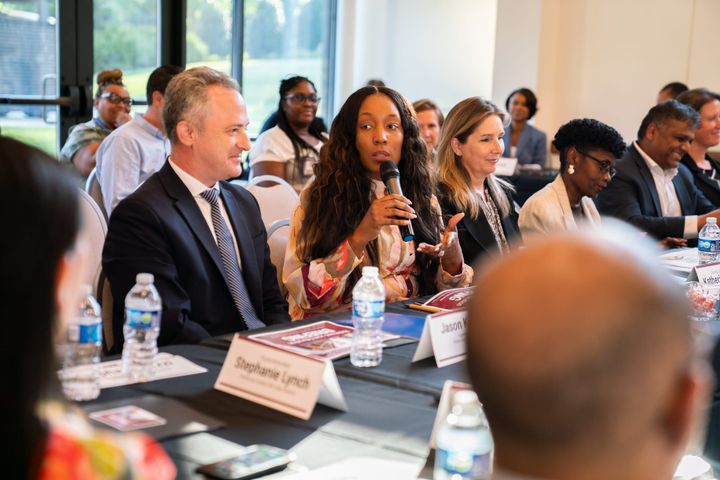
Richmond Public Schools Superintendent Jason Kamras told the Richmond School Board at its meeting Monday night that he feels the division is “in striking distance” to get started on building a long-awaited new career and technical education center.
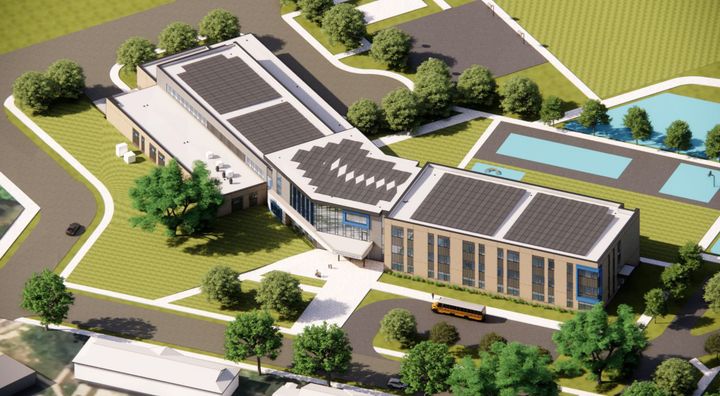
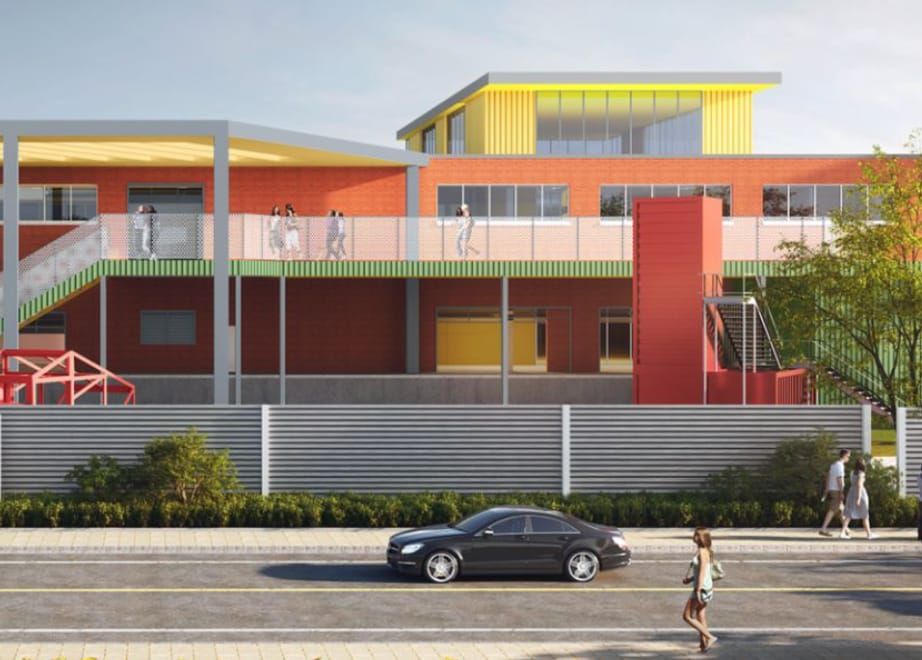
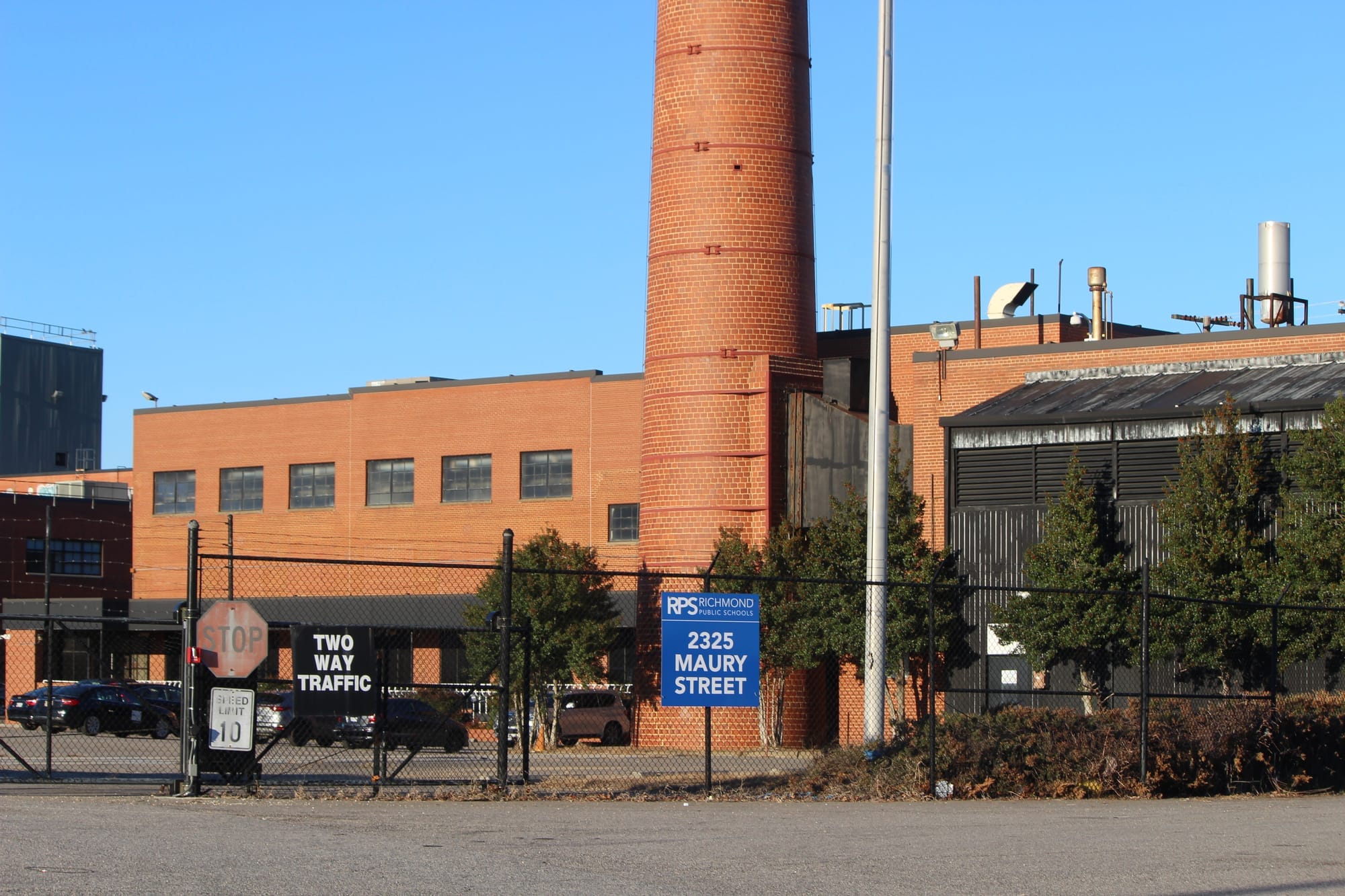
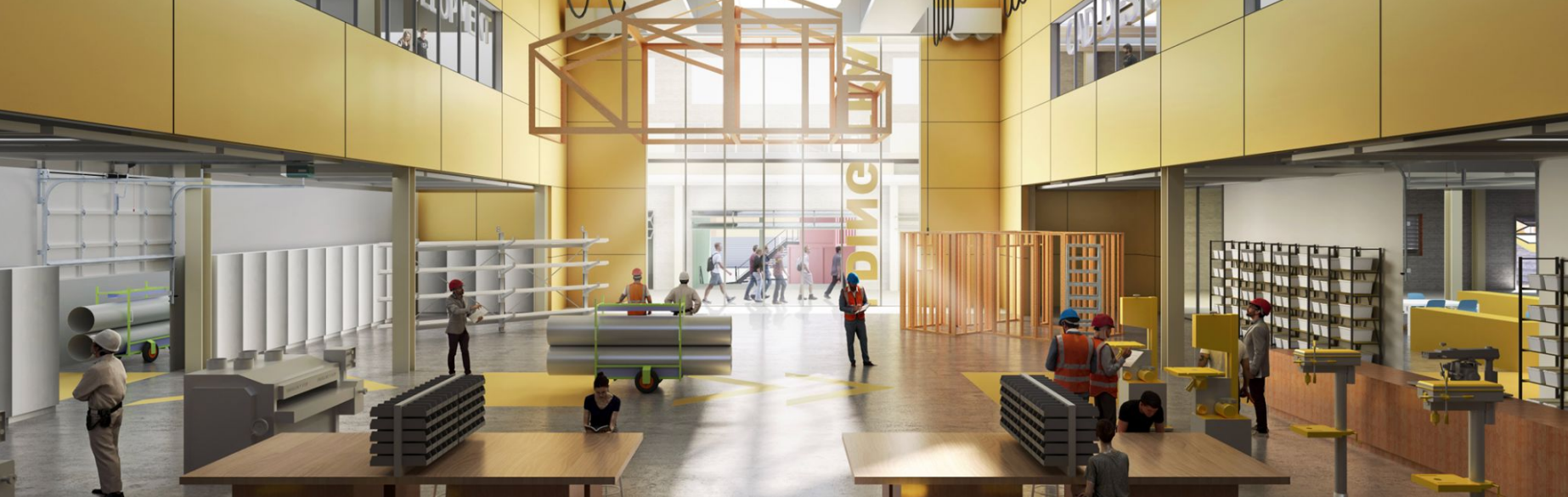
The Southside center, to be located at the former Altria site on Maury Street, has been a work in progress for years. The School Board received an update on a feasibility study conducted on the site, which has so far determined that the property is “structurally sound to renovate into a modern innovation campus,” a school official said.
The project currently calls for a total investment of $196 million, but Luke Hostetter, the division’s director of enrollment, placement and planning, said that costs are likely to change based on the center’s formal design, which is next after the feasibility study is finalized.
The cost is broken up into two phases, with the first coming in at $79 million and the second costing $118 million. With state grant funds, potential business investments, and the help of the nonprofit Richmond Ed Fund, “we do feel [that] phase one is very doable,” Kamras said.
While Kamras was optimistic, School Board members expressed concern about the hefty price tag and where the money would come from.
“$196 million is a lot of money when we still have infrastructure issues with the entire division,” said Board Chair Shavonda Fernandez (9th District), asking if the administration is exploring all means possible to get funding. “Where can we trim the fat on this?”
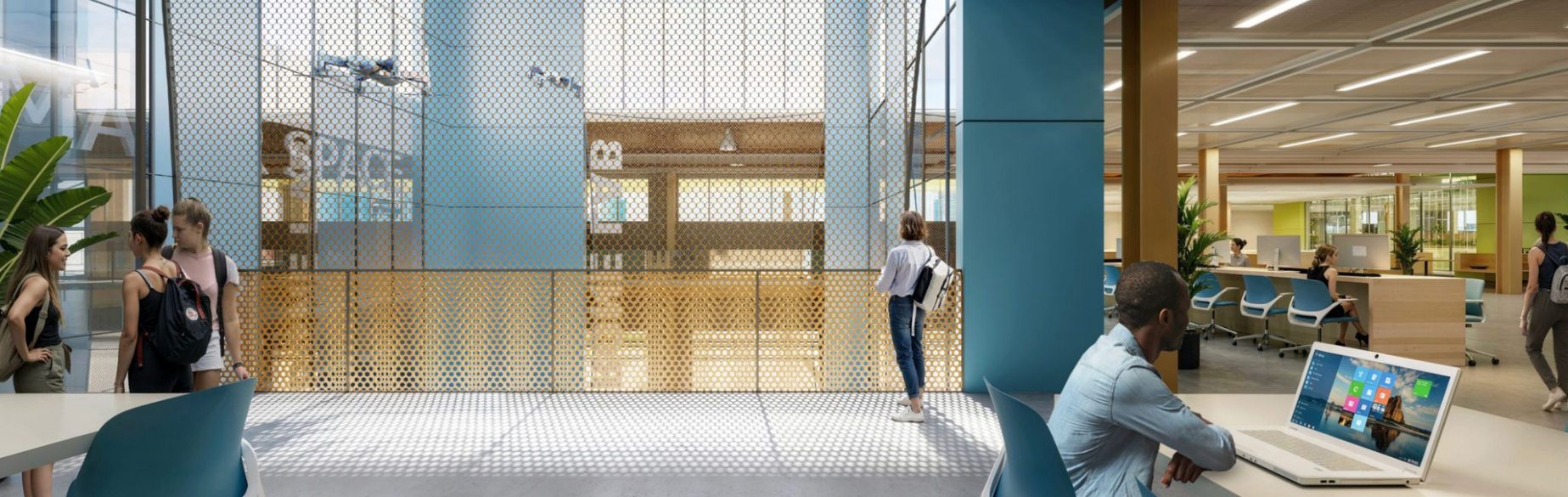
Cheryl Burke (7th District) asked if the administration would sell the division’s current Richmond Technical Center to get additional funding for the 291,000-square foot Maury Street site. RTC is located off Westwood Avenue near Interstates 95 and 64, but the buildings are more than 50 years old and need major repairs.
With the new center set to open in summer 2028, Wesley Hedgpeth (4th District) said he was “worried” about the timeline, considering the fact that the next lump-sum payment for school construction the division would get from the city does not arrive until 2029. Under a plan set in place by former Mayor Levar Stoney, RPS receives $212.2 million in 2029 and $237.8 million in 2034 for school construction.
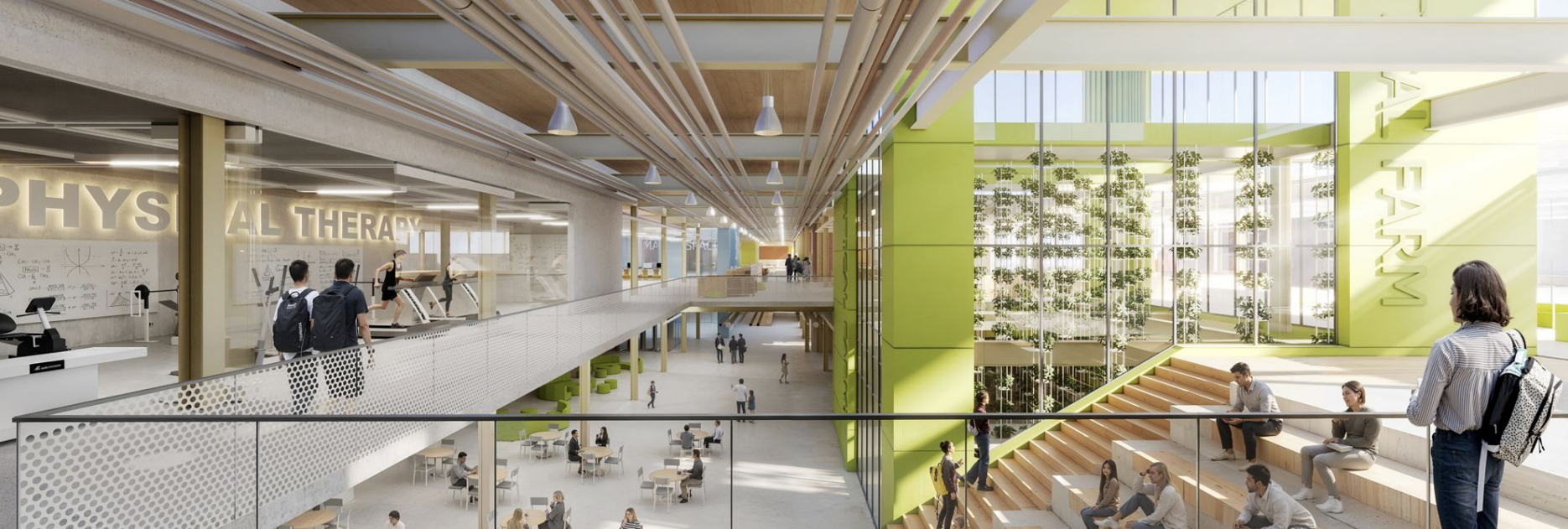
Kamras assured the Board that funding was available for the first phase of construction of the new center, but said the second phase “is going to take much more investment.” In response to Burke, he said the division plans to keep the current technical center open until the Maury Street campus was ready for move-in, but the division could negotiate with the city to invest in the new campus and transfer the building later.
Mayor Danny Avula is also “very excited about this project” and is committed to seeing it through, he told the Board.
In addition to the noted funding sources, Kamras said there’s “a very good chance” that the General Assembly will approve a legislation allowing localities to hold a referendum for taxpayers to decide whether to fund school construction through a 1% local sales tax. Departing Gov. Glenn Youngkin has vetoed the measure twice.
The ghost of Project Ace
Building the technical center has been in the making for years, dating back to 2017, when Altria donated a former tobacco warehouse to RPS.
The school division created the for-profit Project Ace, LLC shortly after the donation to serve as the site’s legal owner, allowing access to tax credits that could be used to convert the property into a school. Other school properties were also placed under Project Ace.
But work never started on the site, and Project Ace racked up nearly half a million dollars in real estate taxes by July 2021. The city threatened to put the site up for auction, before ultimately agreeing to a financial arrangement where the taxes were essentially forgiven.
 Sarah Vogelsong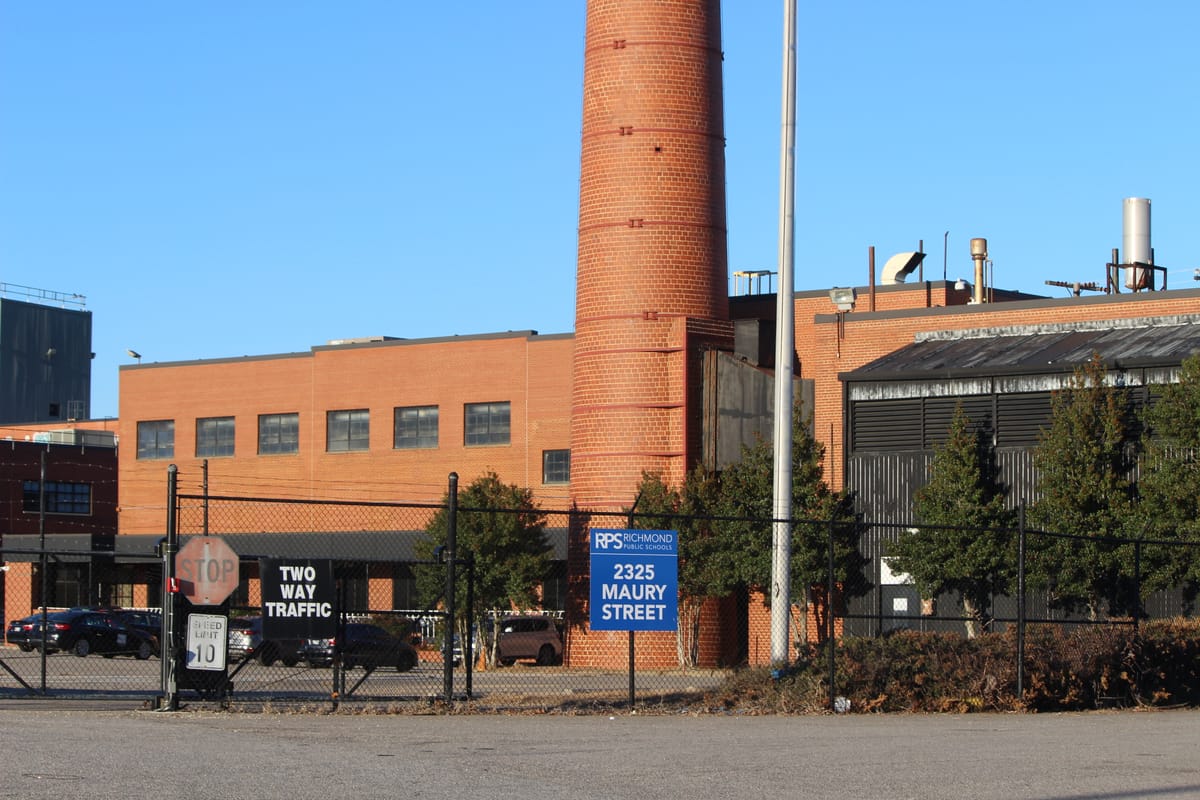
In December 2024, the School Board finally voted to take control of all the properties under Project Ace and begin dissolving it.
But Project Ace came up when Board member Stephanie Rizzi (5th District) asked Hostetter if the administration had discussed processes involved in collecting historic tax credit for the building, including the creation of an LLC.
“Admittedly at this point in time, I don’t have an update on where that stands, but we are trying to explore how we leverage the tax credits and what that might mean for what we can and cannot do within construction,” he responded.
Kamras interjected, saying that because the division has had experience in collecting tax credits under an LLC to rebuild William Fox Elementary after a 2022 fire, “it’s a little bit less scary for us.”
But Rizzi retorted, referring to the Project Ace situation “where it kind of went wrong.”
“I think that our attorney will need to be very engaged and involved once that process starts,” she said.
What else?
While the structure has been deemed ready to be built on, additional assessments of the building are still needed, Hostetter said.
KEi Architects – an architecture firm partnering with the division to conduct the study – plan to further evaluate the site for asbestos, lead paint and other hazardous materials through an environmental study. The firm also indicated that HVAC, roof and window replacements are necessary for the site. The fees associated with the assessments were included in the final estimated cost.
The division also has to consider a traffic study to see if any modifications will be needed for efficient traffic flow near the campus, staff offices for current RTC employees and a potential location change for the central data center located at RTC.
Contact Reporter Victoria A. Ifatusin at vifatusin@richmonder.org