Richmond's library book supplier is going out of business, but RPL has a plan
A major supplier of library books will be shutting its doors after 200 years in business.
Since being founded in 1828, Baker & Taylor has helped more than 5,000 libraries, including nine within the Richmond Public Library system, get books to readers.
Marketplace reported that the company has recently experienced financial hardship, a failed acquisition and a ransomware attack. With its closure in January, RPL will have to seek out another method.
That process has already begun, said Richmond library director Scott Firestine, who may have a second career as a fortune teller.
“We stay on top of what we're getting and how we're getting it,” said Firestine. “And with Baker & Taylor, over the last five years their delivery and their product had gone down. Essentially we weren't getting books as fast as we used to.”
How books are purchased for libraries
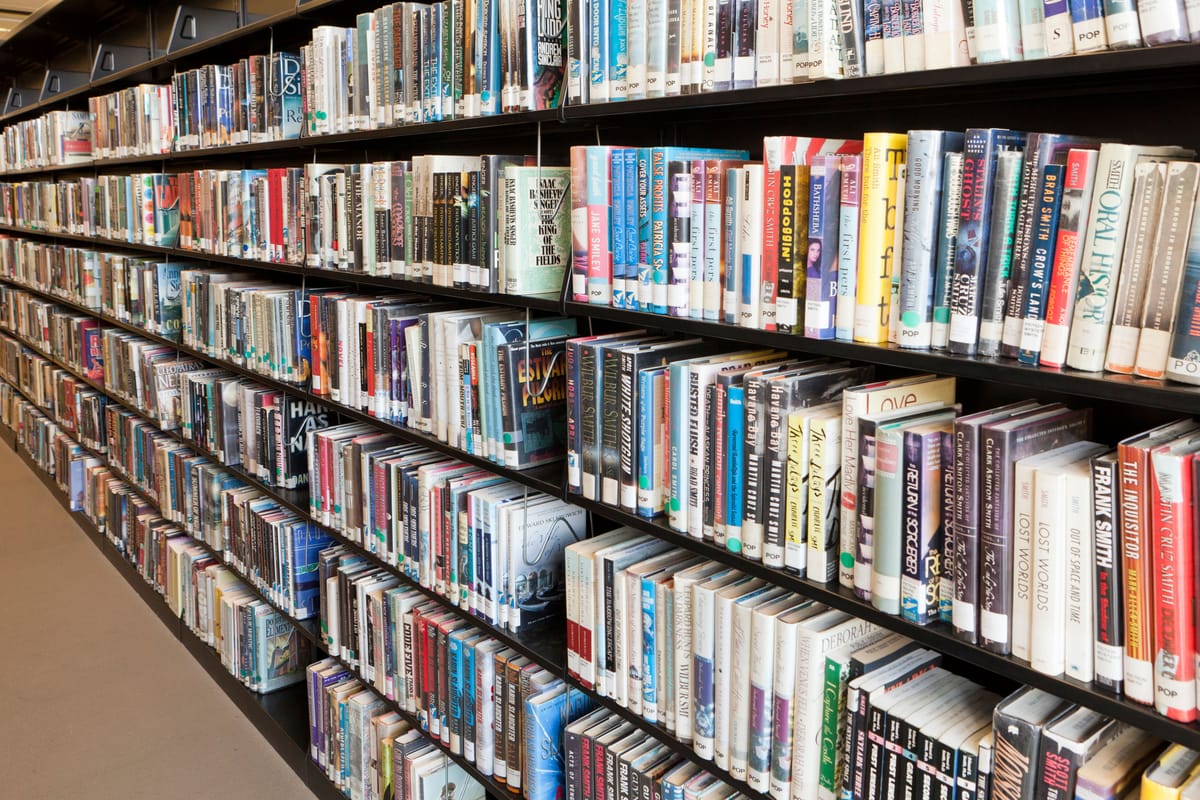
“We don't go down to like Barnes & Noble or order from Amazon because Amazon couldn't supply us the volume of books we needed in the time that we provide them,” said Firestine. “Because we don't just order one or two books, we order hundreds of thousands of books on a yearly basis. And those vendors will package them, deliver them and library format them.”
Formatting library books means putting covers on them so they can be catalogued according to the Dewey decimal system and so they can be organized by genre, such as fiction.
The loss of Baker & Taylor will limit how many books the library can buy, because when RPL bought books from them, they’d buy in bulk and often get a discount.
“We would often get a 40% discount, so they'd be selling it to us at what they would charge a bookstore," said Firestine. “So that saves us money and we could buy more books.”
What's next
The library began shifting away from Baker & Taylor back in 2023, according to information presented at a recent Library Board of Trustees Meeting. The library system began sending orders to Ingram Content Group, and back in September opened an account with a company called Brodart as a secondary vendor.
“Baker [has] always been a vendor that if you didn't spend a lot of money with them, you weren't one of their premier customers,” said Firestine. “So you got lesser service than the guys who are spending $1 million with them. You're only spending a couple hundred thousand dollars with them.”
Firestine said that for the most part, Richmond library readers of physical books shouldn’t see any major disruptions. Digital books — which are purchased elsewhere – will not be affected.
“They [Ingram] are ramping up,” said Firestine. “It would be like if Chevrolet closed their doors and everybody who was buying cars from Chevrolet suddenly had to buy from Ford. They've had to ramp up to take on all these new consumers that they didn't have before.”
Popular classics will be the ones harder to replace, said Firestine, since book publishers don’t keep them stocked like they did 30 years ago.
“Some older backstock items may take us a while to get in,” he said. “There may be some delays, but I imagine in the next 90 to 180 days they have that addressed.”
Firestine said he and his team keep abreast of all the latest book reviews and lists from sources such as Publishers Weekly, the New York Times and USA Today to see what’s trending.
“We do our best to be broad and as encompassing as we can to build and curate a collection for our community that's going to provide the information that they're looking for,” he said. “So we know for fiction, we always try and get the top 50 or 100 New York Times best sellers.”
Digital versus hardcopy
With the number of books libraries need to buy on a regular basis, you’d think that it would be more cost productive to purchase digital copies, since the majority of patrons are downloading books instead of checking them out physically, said Firestine. But that’s a misconception, because of how digital books are licensed.
“It really depends on the licensing that the publisher offers to the distribution platform,” said Firestine. “So depending on who the publisher is and who's distributing the content, the cost that we have and the licensing can vary. They can charge pretty much what they wish to charge and they can set licensing agreements up however they wish to do it.”
Firestine said that many times RPL will pay the same cost for a physical copy that they do for a digital download. But there’s a major catch when libraries buy digital copies.
“The publisher and the vendor who provides that content says OK you can have this book for $25, but you only get 28 checkouts,” Firestine said. “So when you check the book out 28 times, poof! It turns off and then I have to buy it again. And so you can see how that drives the cost of this content up.”
After working in the library system for a decade, Firestine said RPL never really owns digital books, because publishers can take them away — especially when it comes to popular books and authors.
Money for purchasing all materials comes from the city’s budget, and is approved by City Council.