Richmond gets millions from state for affordable and workforce housing projects
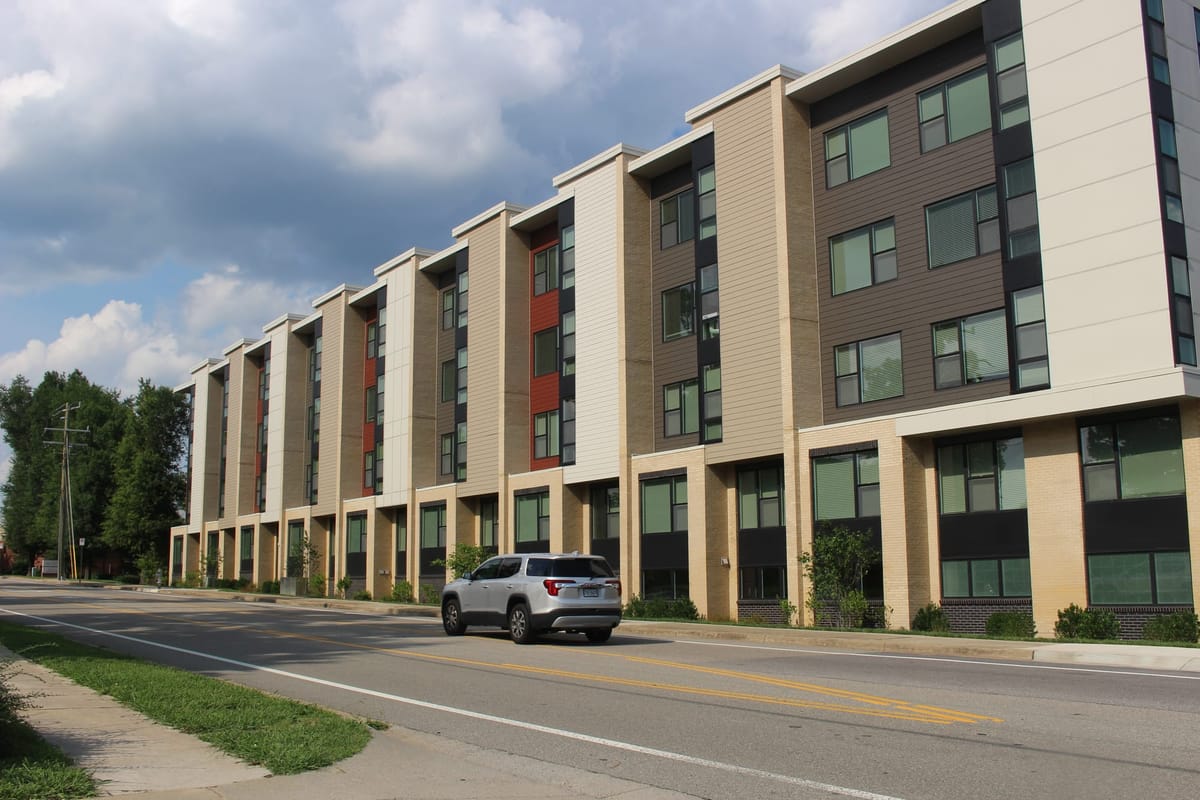
Almost $21 million in state funds is headed to projects in the city of Richmond to help construct affordable and workforce housing.
The largest portion of that money — almost $18.4 million — comes from Virginia’s Affordable and Special Needs Housing program, which provides gap financing for affordable housing projects using a variety of state and federal funding sources.
Developments that are receiving funding include:
- $4 million for New Manchester Flats VI, a 127-unit rental development being built by Lynx Ventures for families with incomes at or below 60% of the area median income
- $4 million for NOON Hioaks II, a 151-unit rental development also being built by Lynx for families with incomes at or below 60% AMI. (The original NOON Hioaks development near Chippenham Hospital is already complete.)
- $3,811,100.40 for a 20-unit rental project being developed by Commonwealth Catholic Charities for families with incomes ranging from 30% to 60% of the area median income.
- $3,469,677 for a 112-unit rental project being developed by Catalyst Community Group at 1500 Hull Street for families with incomes at or below 60% AMI.
- $2,392,256.60 for a 60-unit rental project being developed by Catalyst Community Group at 1400 Street for families with incomes at or below 60% AMI.
- $700,000 for the Maggie Walker Community Land Trust to develop 14 single-family homes in the mixed-income Highland Grove neighborhood for buyers earning less than 80% AMI.
 Sarah Vogelsong
While the state also said Richmond would get $5 million in funding for the third phase of Better Housing Coalition’s Carter Woods project, BHC Communications Manager Tyler Simon said that development is actually located in Henrico County.
In addition to the Affordable and Special Needs Housing funding, an additional $2.5 million from the Virginia Workforce Housing Investment Program, which was created by Gov. Glenn Youngkin’s administration in 2024, has been awarded to the regional group Partnership for Housing Affordability.
Details on what those funds will be used for were not immediately available, although workforce housing is considered to be housing that is affordable to people making between 80% and 120% AMI.
Contact Reporter Sarah Vogelsong at svogelsong@richmonder.org