Regional group plans to pick up 80% of the current cost overruns on Diamond District project
A group in charge of distributing transportation money regionally has agreed to pick up the tab on some of the cost overruns from Richmond’s Diamond District project.
The Finance Committee of the Central Virginia Transportation Authority recommended that the group, which is funded by regional taxes, pay 80% of the requested $12.9 million in cost overruns identified by the city.
Richmond Mayor Danny Avula made the request earlier this year. According to submitted city documents, the funding gap was first identified in February, but it became clear in August that reducing the scope of the work wouldn’t be enough to make up the difference.
“I shared my enthusiasm about the project and sort of the circumstances that got us here. I’m super grateful for this possibility," Avula said at the meeting. “Obviously, 100% would have been great, but 80% – we can figure it out.”
The money would come from the group’s $14 million that CVTA has accrued in interest from its income.
The recommendation came from the authority’s Technical Advisory Committee, chaired by Hanover’s Joe Vidunas. He said the TAC ranked the request alongside other projects submitted for funding, and it came in ninth, just outside of the seven projects the group has committed funding to.
“We felt like the city should have some financial stake in the request,” Vidunas said.
What the money will cover
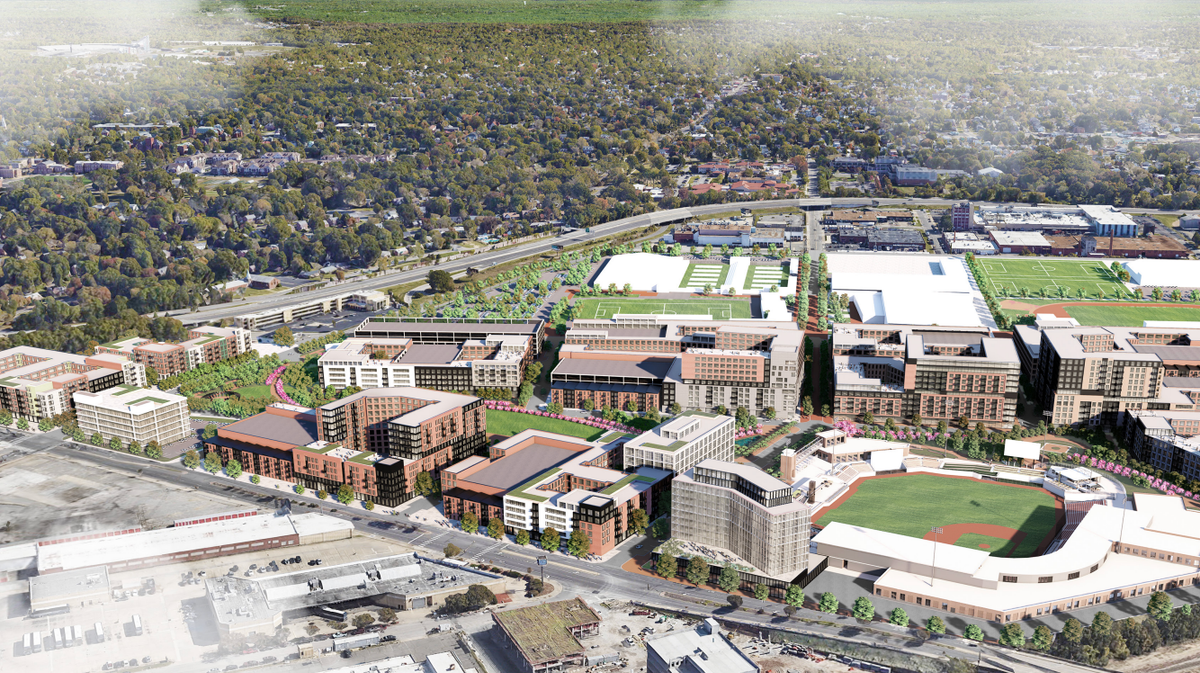
The city first realized it had a $10 million funding gap after officials expanded the $2.4 billion-project by adding new traffic signals and more stormwater capacity to CarMax Park to handle runoff in cases of severe rain. The baseball field is below grade, putting it at higher risk for flooding.
A month later, the city approached the authority – created in 2020 to use state taxes to help fund transportation needs of the nine jurisdictions around Richmond – to ask for $13 million to help install roads, street lights, the new traffic signals and storm drainage.
But that request was made outside of the authority’s regular application funding cycle, making the project a “wild card,” Vidunas said. The authority allows jurisdictions to use a “wild card” on transportation funding proposals that are presented off-cycle, not ranked high enough to receive funding or do not meet certain application requirements.
For example, funding projects for a locality’s highway requires that at least 20,000 cars use the highway daily, and smaller jurisdictions may not always meet that threshold.
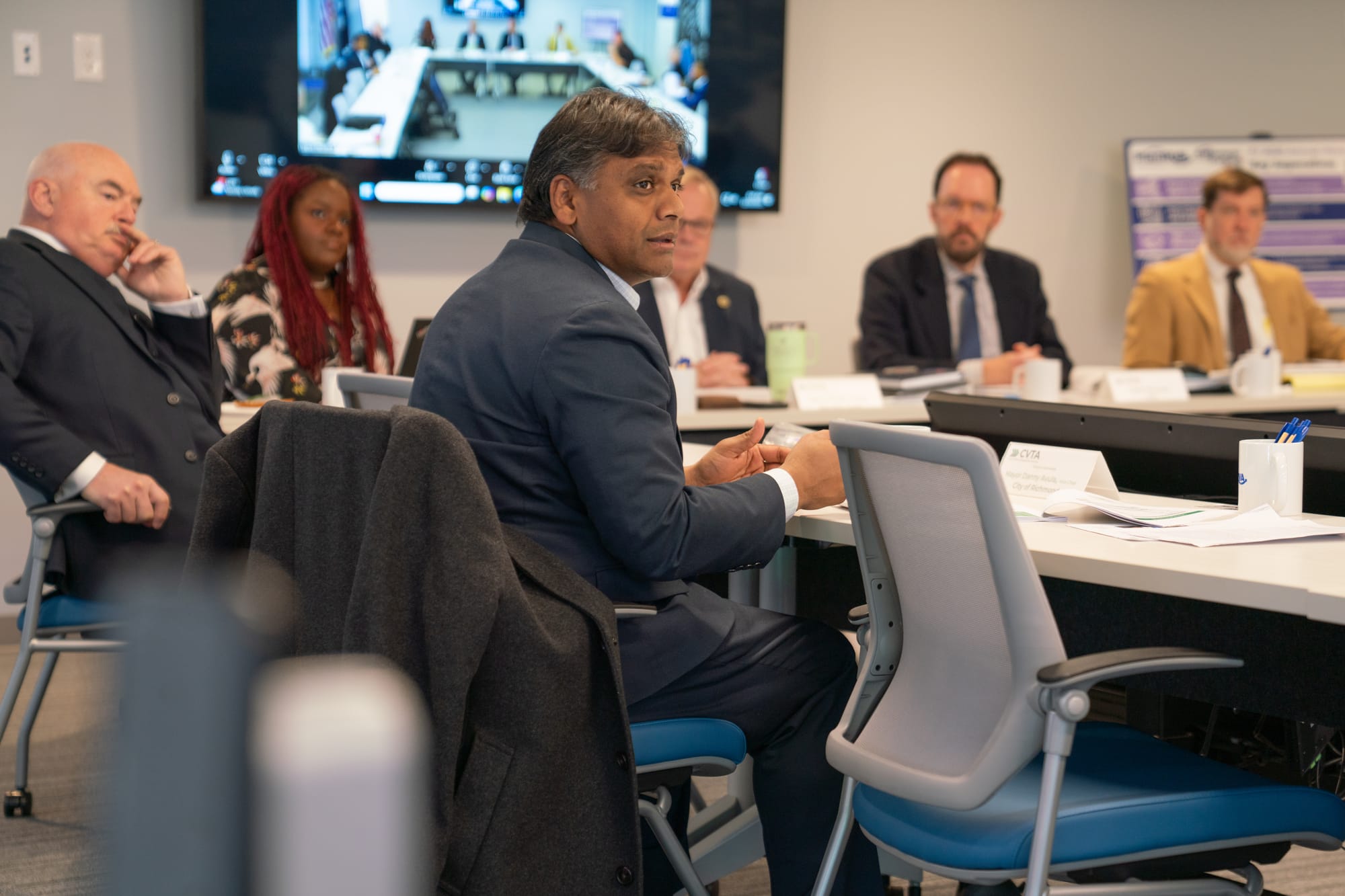
Along with the 80/20 funding suggestion, TAC also recommended that Richmond forfeit its “wild card” until the next funding cycle in 2027, meaning that the city can’t unexpectedly request funding for infrastructure projects in 2026. However, the city can still apply for transportation funding under the regular cycle.
“We didn’t feel like it would be fair to the other localities for the city to receive [another] wild card,” Vidunas said. Avula agreed that it was “super reasonable” for the city to give up its wild card.
Without much discussion, leaders from Henrico, Chesterfield, Goochland and New Kent County agreed to help fund the project.
History of funding unexpected projects
Kevin Carroll, CVTA’s representative for Chesterfield County and the county’s Matoaca District supervisor, said that flexibility was built into the group when it was created in 2020 because of the possibility that projects needing funding could pop up at any time.
He gave an example of the diverging diamond interchange at Interstate 64 and Route 623 (Ashland Road) in Goochland County. The group shifted funds to help pay for it in 2023, allowing an “incredible economic development opportunity.” The county broke ground earlier this year for an Amazon robotic fulfillment center coming to the area.
“Right now we have a project that's worthy and I think it's worth moving forward,” he said.
The process the city’s request followed with TAC also sets precedent for how other similar wild card projects should be approached, said CVTA Chairman John Moyer, New Kent County District 2 supervisor representing the county.
The recommendation is now headed to the entire authority for consideration of the final approval in January.
Contact Reporter Victoria A. Ifatusin at vifatusin@richmonder.org