Proposed RPS budget draws criticism, confusion ahead of Board meeting
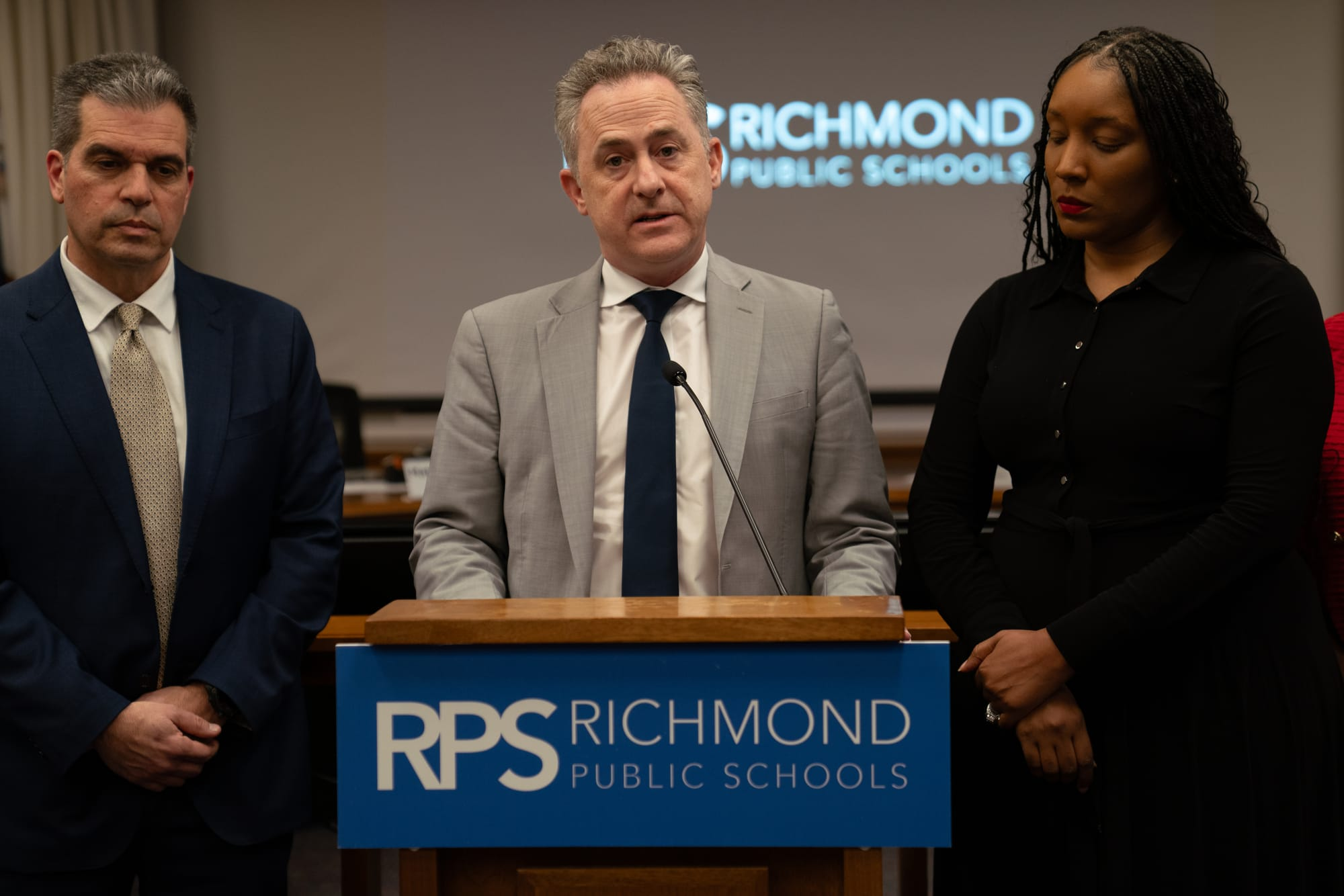
Last week, Richmond Public Schools’ Superintendent Jason Kamras revealed his proposed budget for the 2026-27 school year, which he said reduces spending $22 million in planned expenses to “remain in balance.”
The proposal has sparked criticism and confusion from school community members over details of the recommended cuts, most notably a pause on raises for staff members, splitting of health insurance increases with employees and a reduction in force of 46 positions. Employees will still receive a 1.17% step increase in their salary for the year.
“The district is proposing that we only get a step increase and we have to carry half the increase of health insurance and pay for our own vision insurance,” wrote an anonymous user on a Facebook group dedicated to RPS. “How is this not effectively a pay cut?”
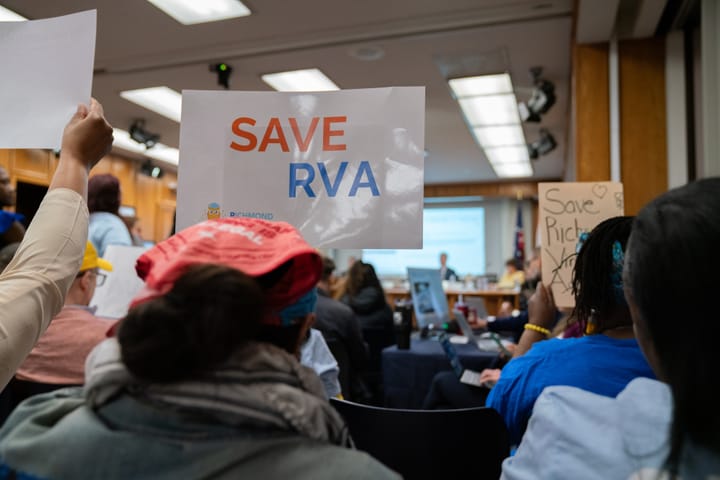
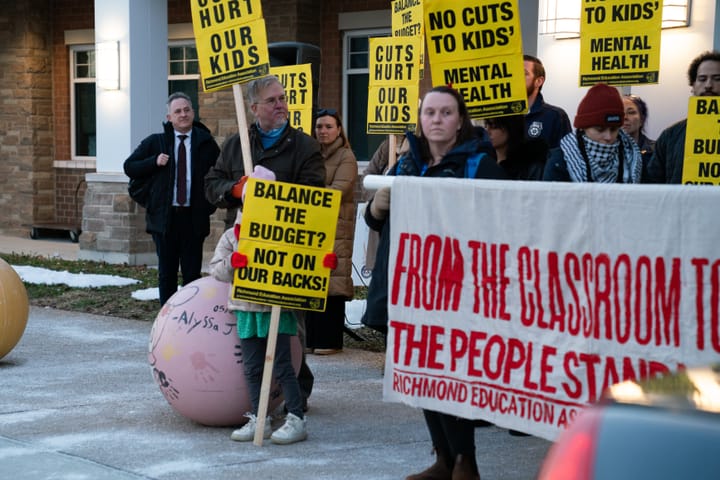
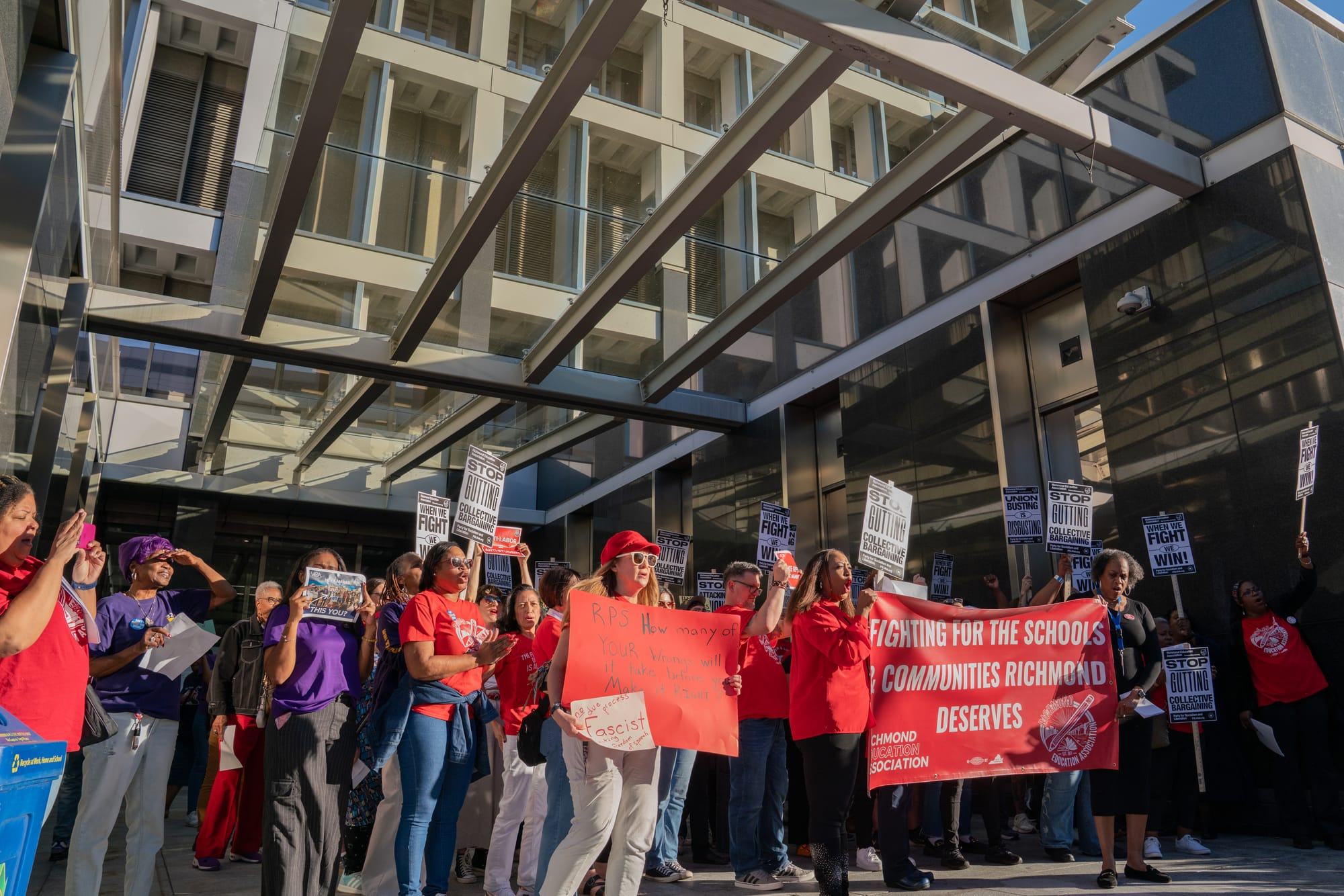
The Richmond Education Association, the union representing RPS educators, said in a statement that it is “deeply disappointed” with the recommended budget, adding that the “cuts will deeply harm every corner of the RPS community.”
In his budget presentation, Kamras cited this year’s freeze in property tax increases as a factor in the austere budget. Andrea Bryant, president of the REA, said the division and Kamras should have been better prepared.
“Why wasn't there better budgeting for future situations?” she asked, adding that the pause on property taxes had been known well in advance.
Alyssa Schwenk, spokesperson for RPS, told The Richmonder in a statement that the administration’s approach to next year’s budget “was to minimize the impact on students and school operations, and to ensure that no specific group of employees' take-home pay was disproportionately impacted by recommendations.”
“Recommendations were made based solely on what work could be adjusted with the least amount of disruption to our core student-focused functions,” she said. “In practice, this means shaving at our small Central Office team, versus blanket eliminations of a function.”
This union called for an external audit of the division by the State Department of Education and the city to “get a clear and transparent understanding of the way funds are spent in RPS.”
“REA has significant concerns about the way the budget is written and the lack of transparency in the way the funds are spent by RPS administration,” the statement reads.
Schwenk told VPM News that the district welcomes transparency in regards to REA’s calls for an audit but could not comment further.
Richmond School Board Chair Shavonda Fernandez (9th District) told The Richmonder in a statement that “the ink is far from dry,” and that she has been looking for ways to find more funding as well as “combing through every line to find ways to shift and reallocate funding.”
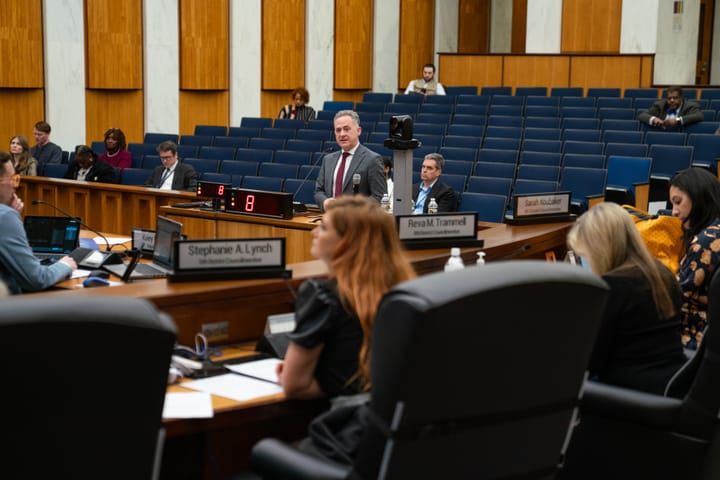
The Board will get its first opportunity to formally discuss the budget at Monday night’s meeting.
Fernandez said she has met with and received calls from school employees and constituents who have shared suggestions that she is compiling and researching.
“We will continue to look for ways to make reductions that safeguard the classroom experience,” and “analyze the recommendations and challenge the administration to look again until we’ve come up with a proposal that we all are comfortable with.”
Seeking clarity on layoffs
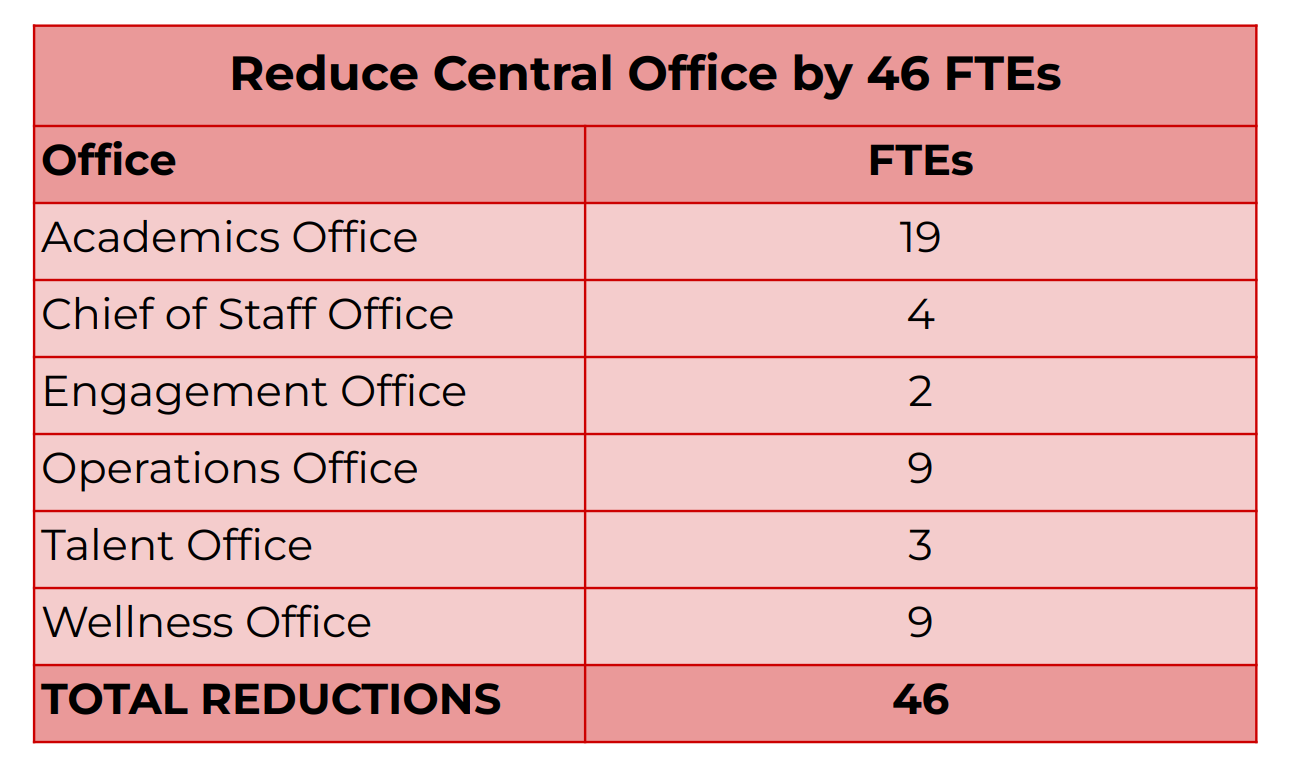
Among the proposed cuts, Kamras said, are the layoffs of 46 central office staff employees.
Kamras and division administrators argued that publishing the impacted positions would identify the employees, who were notified of their potential dismissal last week even as budget negotiations continue.
The division recently updated budget presentations for its Feb. 2 School Board meeting to show what offices those positions are coming from, but the exact roles remain unclear.
“The concern now is, well, how did you choose who’s going to be RIF’ed?” Bryant asked, using the acronym for reduction in force. “Like what positions are going to be RIF’ed?”
The Richmonder’s review of this year’s proposed budget and the approved budget for last year does not directly show a decrease of 46 positions. Last year, RPS approved a total of 4,313 positions covered by all funds the division had. This year, the division is proposing paying for 4,271 positions, a 42-position decrease.
The difference is lower when looking at positions under the division’s general fund, which recommends paying for 3,632 full time positions in 2027. It’s a 26-position decrease from last year’s 3,658 full time positions covered by the general fund.
When asked about the discrepancy, Schwenk said the total number of employees includes full-time employees, vacancies and any new role created over the past year, “so looking at the number of positions in FY27 vs FY26 doesn’t fully capture the current size of the active RPS workforce.”
“Additionally, because the departments with recommended reductions/eliminations usually only have (fewer than) 5 people in each position, until the final budget is proposed and the Board has approved specific cuts, roles are still represented within the codes,” she added. Codes are how the budget designates which office an employee works in, like administration.
RPS officials backtracked earlier this week after initially listing a nine-employee increase to the administration’s staff in the proposed budget, as flagged by the Richmond Times-Dispatch.
Schwenk told the newspaper the “additional positions don’t reflect new hiring or promotions, but rather were a result of the accidental misclassifications of certain employees.”
The proposed budget was later corrected to include that there are 27 full-time administrative positions, instead of the 35 originally listed, while adding 4 positions to “other professionals.”
On Thursday evening, the full budget document was removed from the division’s BoardDocs repository, leaving only Kamras’ presentation, which provides an overview but not line-by-line specifics.
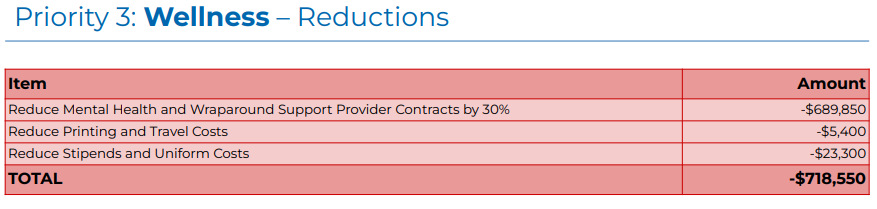
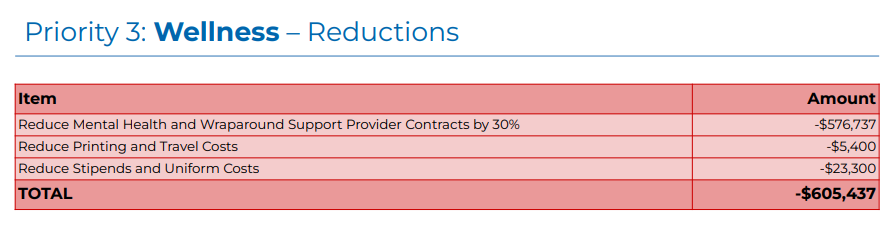
The updated presentation also changes the cuts to mental health services, reducing the amount from $689,850 to $576,737.
In response to the concerns over transparency, Fernandez said the Board has requested that administrators discuss the budget proposal with unions and school communities. She also noted the Board will hold a budget town hall meeting on Feb. 9 at River City Middle School, where members plan to answer questions and hear recommendations.
She said that while transparency is important, “there are, however, areas in the budget process that require a level of discretion, especially when it involves individual positions and personal matters.” She added that “discretion is not the same as secrecy,” and that information can and will be shared once it is appropriate to do so.
“It is important to be as transparent as possible about the process, priorities, and overall impacts, while also honoring and protecting staff by not prematurely or publicly disclosing info that could cause harm or confusion.”
Other reactions
The budget drew criticism from councilwoman Kenya Gibson (3rd District), who previously served on the School Board.
“It’s irrefutable that our schools are underfunded. Given that reality, it’s imperative to put money towards the most critical needs first,” she wrote in a statement last week. “I will always push to see schools get the funding they need and ask that the School Board ask questions and demand more detail to ensure the budget prioritizes its needs.”
Gibson also shared concerns about the division’s lack of an in-house audit team. The last auditor housed in the School Board was paid to leave quietly last May, but the Board continued to list him on its website until an inquiry by The Richmonder in September.
In the Board’s Finance and Audit committee this week, Board members said there were no updates to provide on the auditor search.
Bryant said that she felt “frustration, anger and confusion” when she first saw the budget.
She said the health care increase cost share and removal of vision insurance particularly hit home, as she and her family all use glasses on her insurance, adding that her glasses already cost $400 with the insurance. She added that the step increase that Kamras maintained is also “null and void” when employees will have to pay half for the insurance increase in addition to a pause on raises.
She also pointed to Kamras’ recent salary increase to $275,000 from $250,000, saying that his furlough of five days came off as “performative.”
Fernandez said that she is hoping to honor the collective bargaining agreements, reinstate summer school for elementary and middle schoolers, restore the mental health reductions and make the administration cover at least 75% of the health care increases for employees.
“I am optimistic that this is not too far out of reach and I will continue to drive meaningful conversation on the city and state level to try to achieve this goal,” she said.
Contact Reporter Victoria A. Ifatusin at vifatusin@richmonder.org