Pro-code refresh groups pitch plan to allow smaller duplexes in bid for more affordable homes
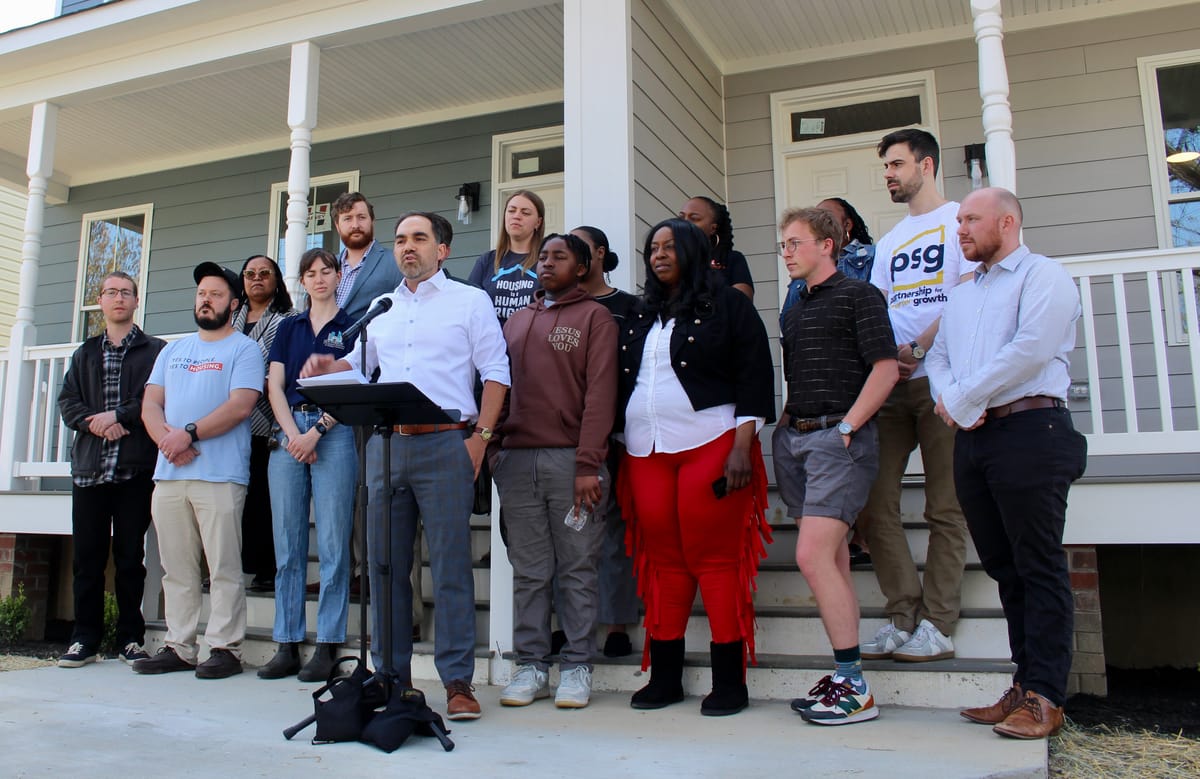
A coalition of groups backing Richmond’s overhaul of its 1970s-era zoning are proposing a new tweak to rules for where duplexes can be built: in all single family neighborhoods, as long as the units are no larger than 1,500 square feet.
Linking the home’s size with its ability to be built by right — that is, without the need to seek a special use permit requiring public input and a City Council vote — would “encourage more affordable housing and help prevent displacement,” wrote the Homes for All Our Neighbors coalition in a March 20 letter to Mayor Danny Avula and the City Council.
The 1,500 square foot limit is based on an analysis of sizes and median prices of newly constructed homes sold in the city between 2024 and March 2026. That analysis found that during that time period, new homes under 1,500 square feet had a median sales price of about $300,000, well below the overall median price of $400,000 in 2025.
“We know that houses that are at that size or less cost less to build and are therefore more affordable,” said Tom Fitzpatrick, executive director of Housing Opportunities Made Equal.
The plan outlined by the coalition, which contains 23 groups including HOME that are broadly in favor of the ongoing code refresh, is the latest attempt to resolve the thorny issue of how much density Richmond should allow in its single family neighborhoods as population grows and housing prices continue to outpace area wages.
While both of the proposals put forward by the Planning Department to date have concentrated most of the planned new density along transit corridors and at neighborhood hubs, the biggest controversy has centered on whether the city should allow duplexes by right in all residential areas.
Under the first plan put forward last spring, Richmond would have allowed a duplex on every residential property, in addition to an accessory dwelling unit, a smaller type of housing sometimes called a “granny house” that the City Council approved in 2023.
The idea prompted furious backlash from many neighborhood associations and residents of single family neighborhoods, who said it would irrevocably alter the character of their community and encourage developers to tear down smaller homes in order to pack in as many expensive new units as possible, displacing lower-income residents.
Right now, the Planning Department has calculated about 59% of the city is zoned for single family residential.
In response, Richmond planners replaced that proposal in the second draft of the rezoning with a plan known as the “preservation bonus.” Under that approach, property owners can only add a second unit by right if they preserve the existing building, and they must place the new unit in such a way that the building continues to look like a single family home from the street.
“The last thing that we want to do is facilitate a ton of development that’s done with displacement,” Planning Director Kevin Vonck previously told The Richmonder.
A number of residents have told the city they see the preservation bonus as a good compromise, and in their March 20 letter and at a press conference Tuesday, Homes for All Our Neighbors said it is a good-faith effort to address real concerns about displacement.
But the group, which contains nearly all of the city’s nonprofit developers of affordable housing, also contended that in reality, it will continue to limit the construction of homes Richmonders can afford by preventing builders from taking advantage of cost savings that come with constructing two units under a single roof.
 Sarah Vogelsong
While they aren’t proposing to get rid of the preservation bonus entirely, they are asking that the third draft of the code refresh, which is expected later this spring, exempt new duplexes with units under 1,500 square feet from the rules and allow them by right.
“In this day and age, when all building materials, all labor, everything is getting more and more expensive, we need to figure out a way to cut the cost of producing affordable housing,” said Marion Cake of project:HOMES, a nonprofit that has built over 300 affordable homes in the Richmond metro area.
The math, he said, is straightforward: “One lot, two houses — half the cost.”
Cake, along with other affordable developers in the coalition like Richmond Metro Habitat for Humanity, Commonwealth Catholic Charities and Maggie Walker Community Land Trust, have complained that the city’s current system requiring special use permits for many duplexes and homes with a smaller footprint adds thousands of dollars in costs to projects.
While for-profit developers may have less trouble absorbing those expenses, they can derail affordable developers, who rely on subsidies to make their projects work, say coalition members.
Those homes can make a major difference in the lives of residents. Cassandra Harris, a Richmonder who spoke at the press conference Tuesday and will be closing on a Habitat for Humanity house this summer, said that she and her son have faced consistently rising rents in recent years.
"I want to have a nice home for us to live in and grow in and just relax and be happy and to ourselves," she said.
At the same time, Fitzpatrick said the preservation bonus would do nothing to prevent a property owner from tearing down a small, previously affordable home and replacing it with a sprawling single family one.
“We are also concerned about displacement. We don’t want folks that live in naturally occurring affordable housing to be displaced,” he said. “But we also don’t want houses to be taken down and only allow for McMansions to be rebuilt.”
In a statement, Avula said updating the zoning ordinance remains critical to his administration’s housing affordability goals.
“I deeply appreciate Homes for All Our Neighbors’ advocacy, because I know we’re all focused on finding the best ways to address the housing affordability crisis,” he said. “My team is currently working on putting together the third draft of Code Refresh, and we’ll have those details for folks to look at in the coming months.”
Contact Reporter Sarah Vogelsong at svogelsong@richmonder.org