Officials will restart vape shop enforcement effort next week
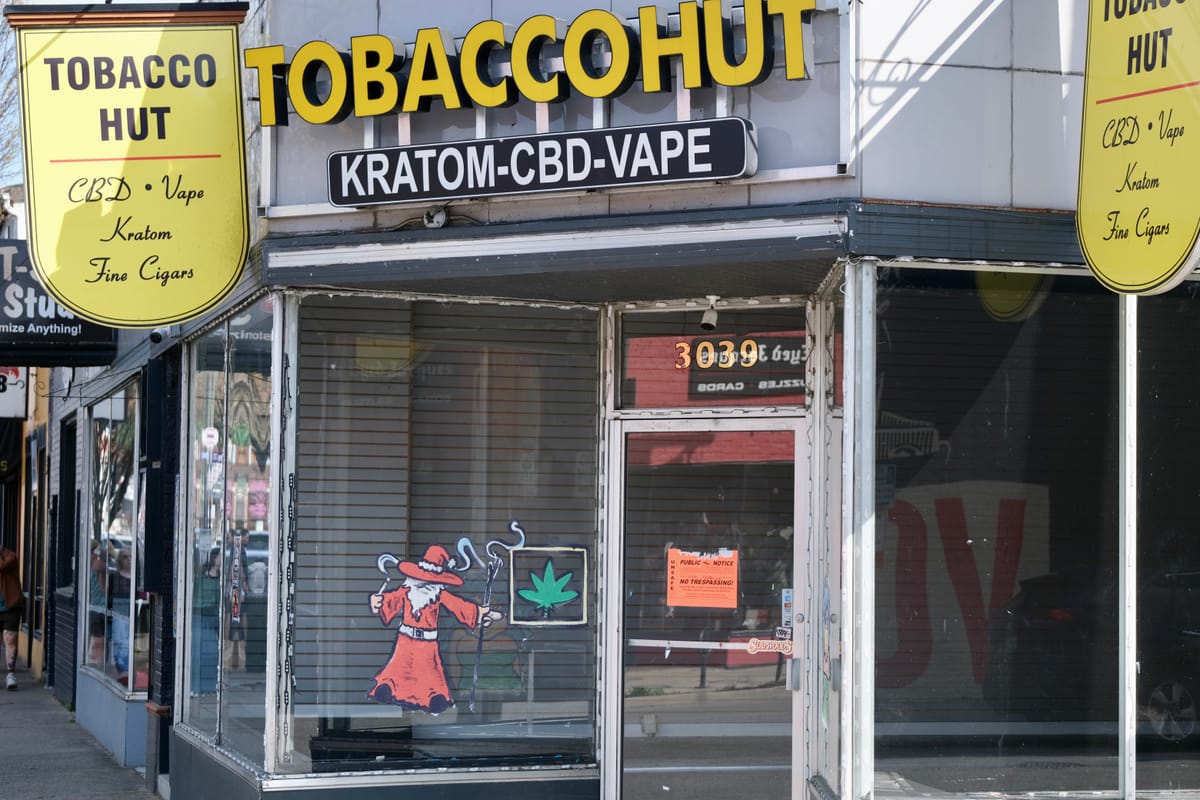
After a temporary pause, Richmond officials are planning to resume their Operation Vaporize enforcement initiative targeting vape shops that have rapidly spread across the city.
The effort that began late last year was meant to crack down on illegal activity alleged to be rampant at the stores, which police say often sell marijuana, cannabis products containing THC or other drugs.
The tougher approach has drawn criticism from some vape shop owners who say their businesses have been shut down for low-level code infractions when no illegal activity has been identified.
Though the city had initially set Operation Vaporize to resume at the start of April, spokesperson Ross Catrow said the restart date is now April 7.
Catrow said the city made no changes to the initiative during the pause, which began in late February.
The temporary suspension of the program doesn’t appear to have resolved tensions between city officials and a group of primarily Yemeni American vape shop owners who have argued Mayor Danny Avula’s administration is unfairly shuttering immigrant-run businesses.
Avula, Richmond’s first immigrant mayor, was set to meet with the Yemeni American Association of Virginia to discuss the issue. The mayor backed out of the meeting after a group of vape shop owners hired an attorney, Mark J. Krudys, who has hinted at the possibility of suing the city.
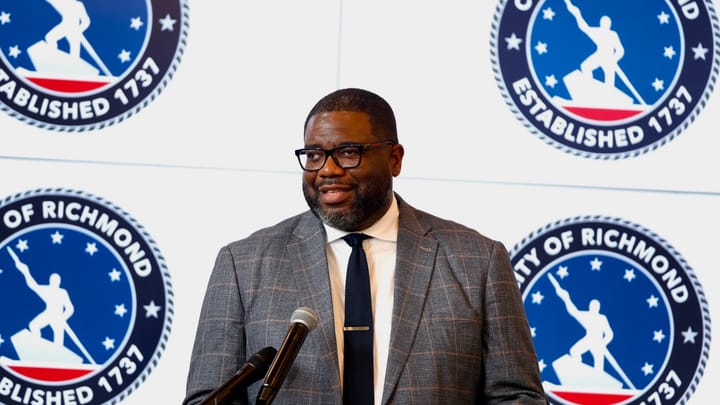
Avula highlighted the vape shop focus at his State of the City event last week, calling it a public safety initiative that has led to the temporary closures of 42 stores that have had orange signs attached to their doors saying no one is allowed inside. Officials have said Richmond has nearly 100 vape shops in total.
“This has been a very targeted effort because of the increased criminal activity, the drug trade that we’ve seen emerge there, the violent activity we’ve seen emerge there,” Avula said. “Ultimately, we want to get to a place where our community is safe.”
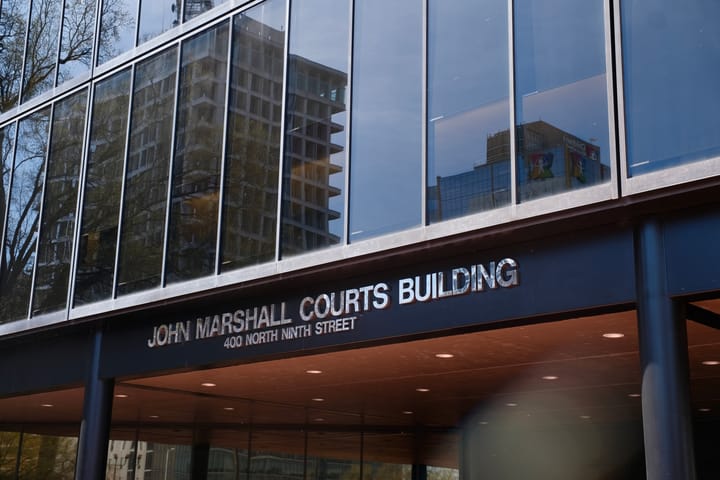
On Tuesday, a group of community activists — many of them affiliated with the Richmond Crusade for Voters — held a news conference at City Hall to show support for the vape shop crackdown.
“Let’s be clear, this is not about being anti-business. This is about protecting our neighborhoods,” said Jonathan Davis, a former Crusade for Voters president. “Operation Vaporize did not create a problem. It exposed one.”
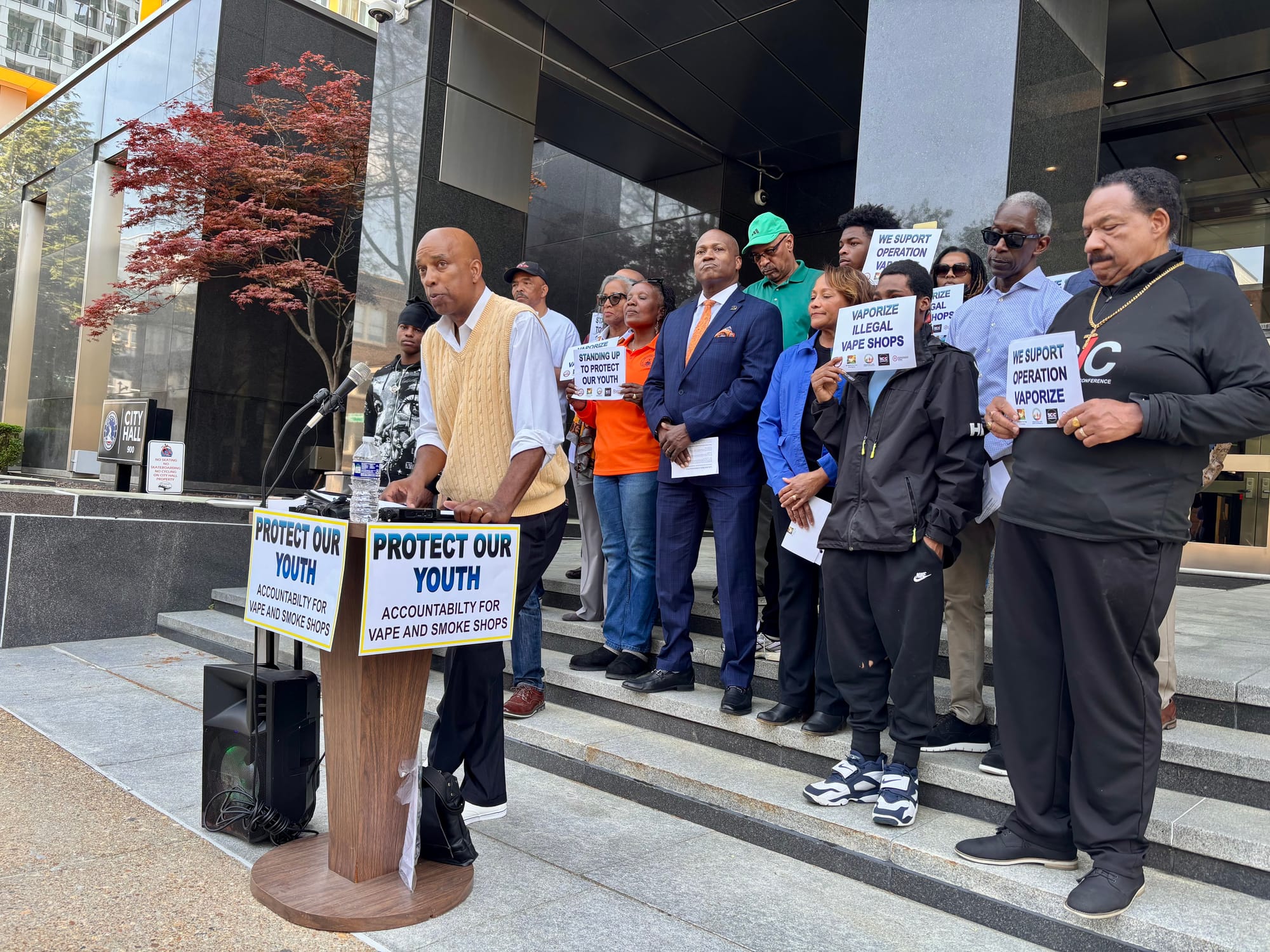
The group also said it disagreed with the Yemeni American vape shop owners’ accusation that the crackdown is racially discriminatory.
“Let me be very clear about this: Accountability is not discrimination. It’s responsibility,” said Tyrone Williams, a Richmond-area activist involved with the National Urban League of Young Professionals. “We do welcome good business. But what we will not tolerate are those who put our communities at risk.”
Richmond police have said vape shops have become frequent targets for armed robberies.
Several activists from the Yemeni American community showed up at Tuesday’s news conference, seemingly to try to convince the pro-Operation Vaporize group that they were mistaken in their belief that the city is only shutting down stores found to be operating illegally. At their own news conference last month, several vape shop owners said the city had closed their business over minor building code issues, not because of illegal products or underage customers.
Dean Alasad, the president of the Yemeni American Association of Virginia and a lead organizer of the pushback against Operation Vaporize, told the group supporting the initiative Tuesday that he agrees businesses should operate legally and should not sell harmful products to young people.
“The aggressive tactics that they started with, you know, shut you down and ask questions later, it's not the right way,” Alasad said.
With the Operation Vaporize pause coming to an end, Alasad said his group of vape shop owners is now concerned the crackdown will come back stronger because the city’s actions are being challenged.
“There is a lot of fear in our community that there’s going to be retaliation from the city because we went against what they are doing,” Alasad said.
Differing explanations for why the pause happened
The two sides in the dispute have given differing explanations of what led the city to pause Operation Vaporize.
With the possibility of a legal battle becoming clearer, city officials insist the pause was done for internal reasons only and was not a response to the concerns being raised by vape shop owners.
While speaking to reporters after the State of the City event, Avula said he approved the pause because inspectors and city planners needed a break from doing new inspections to get caught up on the administrative side of inspections that had already occurred.
Vape shop owners, the mayor said, have “full access” to city officials who can help them resolve their compliance issues and reopen.
“Or in some cases, they won’t open up,” Avula said. “If they opened up without a certificate of occupancy, under the law they’re not going to be able to open that space as a vape shop. Each situation is going to be unique depending on why they get closed.”
Leaders of the Yemeni-American group, however, say they suggested the pause to the city.
In a March 19 news release criticizing Avula’s decision to back out of the planned meeting, the group said Alasad had “personally requested a 30-day pause on inspections to allow time for dialogue.” That request was made to Planning Director Kevin Vonck, according to the group.
“Our families have waited since December for meaningful dialogue,” Alasad said in the release.
Krudys, the lawyer representing the vape shop owners, had also previously linked the pause to his clients’ concerns, while implying the true motive for the pause was unclear.
“The city has informed my clients that it has undertaken a ‘30-day pause’ allegedly to reevaluate its efforts and consider the objections of the Yemeni-American community,” Krudys wrote in a March 9 letter to Avula. “But the group has learned that the real goal of the pause is to allow the city an opportunity to reorganize and bolster the crackdown.”
When asked about the Yemeni American group saying it suggested the pause — a claim seemingly at odds with the Avula administration’s assertion the pause had nothing to do with the public pushback against Operation Vaporize — the mayor said he was going by how the enforcement break was explained to him.
“If that were not the case, if my team didn’t need administrative catch-up time, we would not be pausing this at all,” Avula said. “It has nothing to do with the Yemeni group at all.”
Contact Reporter Graham Moomaw at gmoomaw@richmonder.org