Novel set amid 2020 protests is author's 'love letter' to Richmond
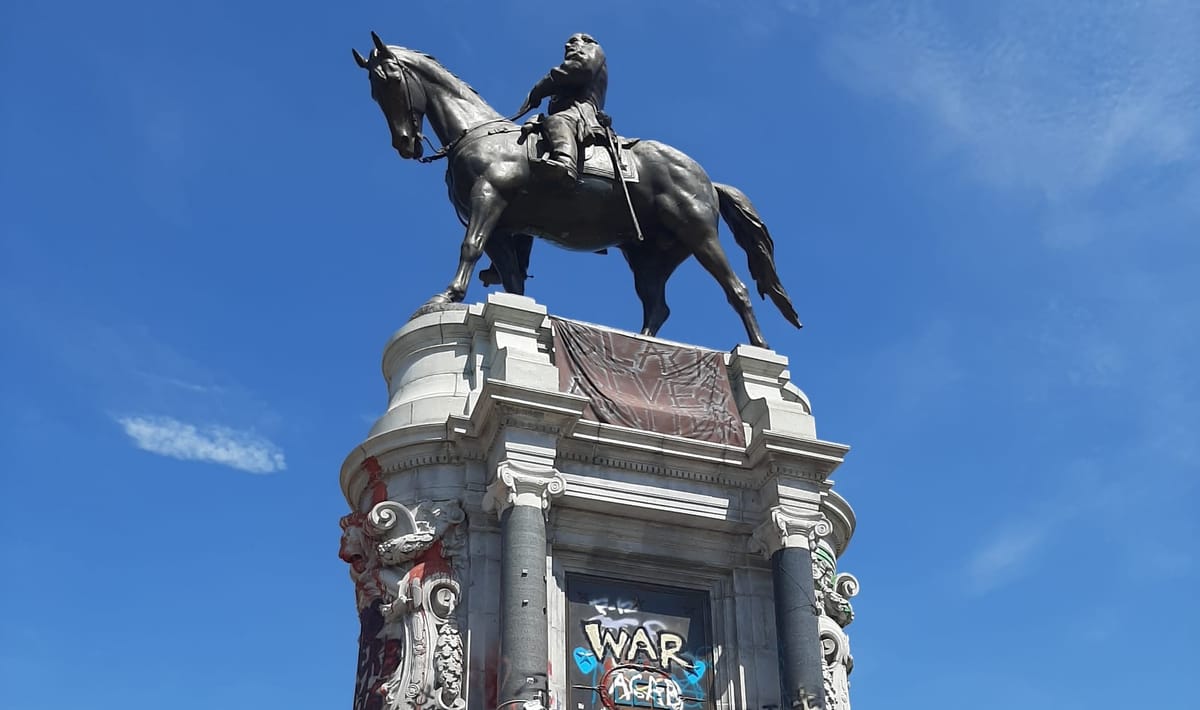
Six years ago, the death of George Floyd triggered a wave of protests nationally. But Richmond, and Monument Avenue in particular, became a major hub of activity, ultimately leading to the removal of monuments to Confederate generals.
The history of this place and time in Richmond is the setting of Virginia Pye’s fourth novel, "Marriage and Other Monuments."
The novelist lived with her husband and raised their two children in Richmond before leaving about 10 years ago.
In the summer of 2020 she watched from her home in Cambridge, Massachusetts, as the events played out night after night.
“My long-distance interest prompted my imagination, resulting in this novel,” Pye said. “I was staying up late at night watching the handheld videos by people on the streets as things were happening.”
He added that her son lived on Monument Avenue, heightening her concern.
Blending personal family drama with the larger political public forces taking place across the city, "Marriage and Other Monuments" is at once a family-driven drama and a testament to setting, where the events of 2020 Richmond exposed what was buried beneath the surface about race and class.
Besides a family drama, "Marriage and Other Monuments" is also a historical novel defining a crucial moment in Richmond history, all through the lens of the early days of COVID, where, as Pye notes in the novel, “catching the virus from a box of crackers seemed far-fetched, but people were dying, and no one really knew how the disease spread.”
The novel traverses the city’s neighborhoods, including The Fan, Jackson Ward, Oregon Hill, Windsor Farms, Ginter Park, and the West End, among others, returning again and again to the beauty of the James River, with its canoeing and wildlife — the permanence of the river and the natural world serving as the backdrop of a city in the throes of change.
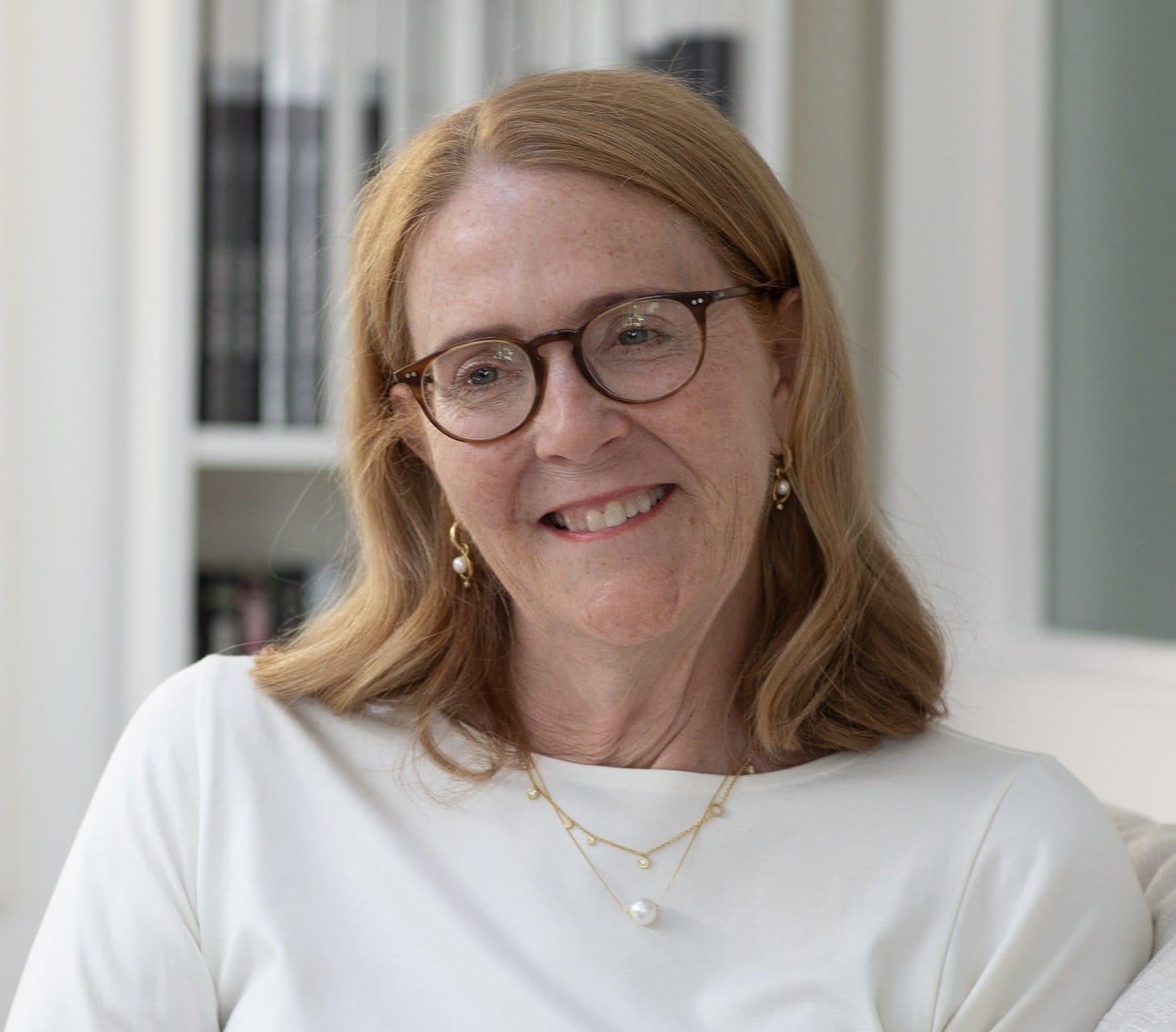
“I added a lot of details that feel to me to be very ‘Richmond,’ and the James River is number one on that list,” Virginia said, “a navigable, beautiful, exciting river right in the middle of downtown.” She also noted that she used the James as a metaphor for history and time and the river “carrying on.”
The novel’s strength is in its setting—not just Richmond, but that hectic summer of 2020.
“It makes for a very good place to write about because of the contradictions that exist in Richmond, and during that period in the summer of 2020, those contradictions bubbled to the surface.”
This “bubbling to the surface” culminated in the removal of the Confederate monuments. As Pye writes in the novel, “for years Richmond had dithered and done nothing about Monument Avenue, where the grand statues cast their ugly shadows.”
The novel’s title reference to “Other Monuments,” outside of the Confederate statues, offer “monuments” as symbols that also were in need of dismantling: the institution of marriage in the lives of two estranged sisters, as well as racial, economic, familial, and societal monuments being torn down as well. As Pye writes, “the grand statues situated along almost a mile of the handsome boulevard were too divisive, and in fact, downright reprehensible to let them stay.”
Finally, the base of the Lee monument, the last of the statues to go, served as a metaphor for all of the other “monuments” in the lives of Pye’s characters.
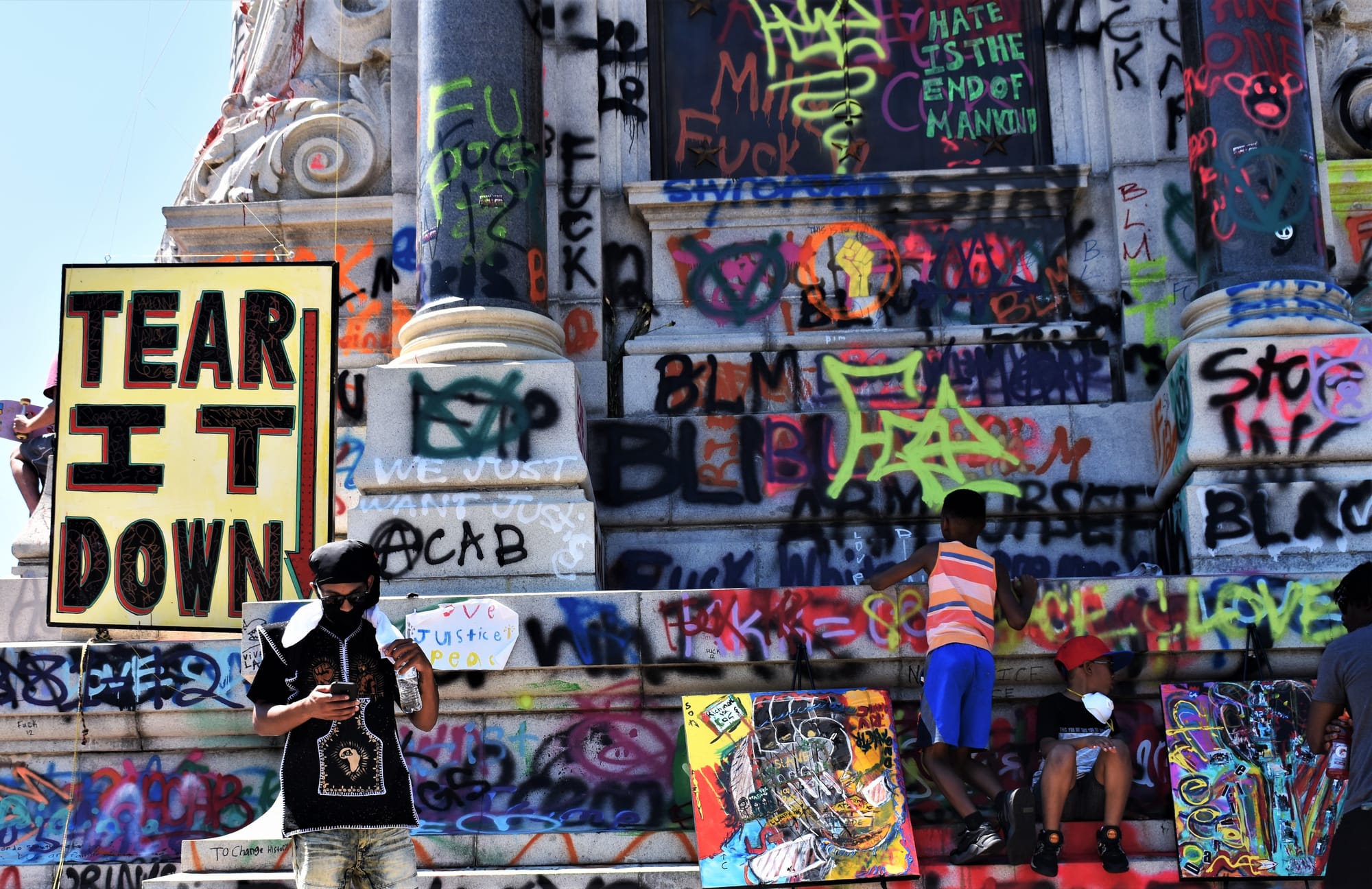
“The entire base of the statue had been transformed over the past weeks into an impressive work of protest art. Robert E. Lee was no longer the reason people stopped and stared as they drove by. With so much happening below, the historic man above had grown obsolete. It was time for him to ride off into the sunset.”
Pye notes of Richmond, “As the years passed and we put down deeper roots, we came to understand Richmond more fully as a wonderful place, with unique qualities and people.”
And as she writes at the end of the book: “For if the summer of 2020 had any lessons to impart, it was that Richmond deserved a second look.”
Pye’s book launch begins Wednesday at the Institute for Contemporary Art from 5-6 p.m., with a reception after. The event will feature a conversation with Chioke I’Anson. She will also be appearing at the Glen Allen Cultural Arts Center with novelist Jon Sealy on Thursday. The book is available for sale with a list price of $24.