Nonprofit helps immigrants settle when they arrive in Richmond
ReEstablish Richmond is a nonprofit organization founded in 2010 with the mission to fill service gaps for resettled refugee communities and help them thrive in their new home, while also supporting the individuals and faith groups that assist them.
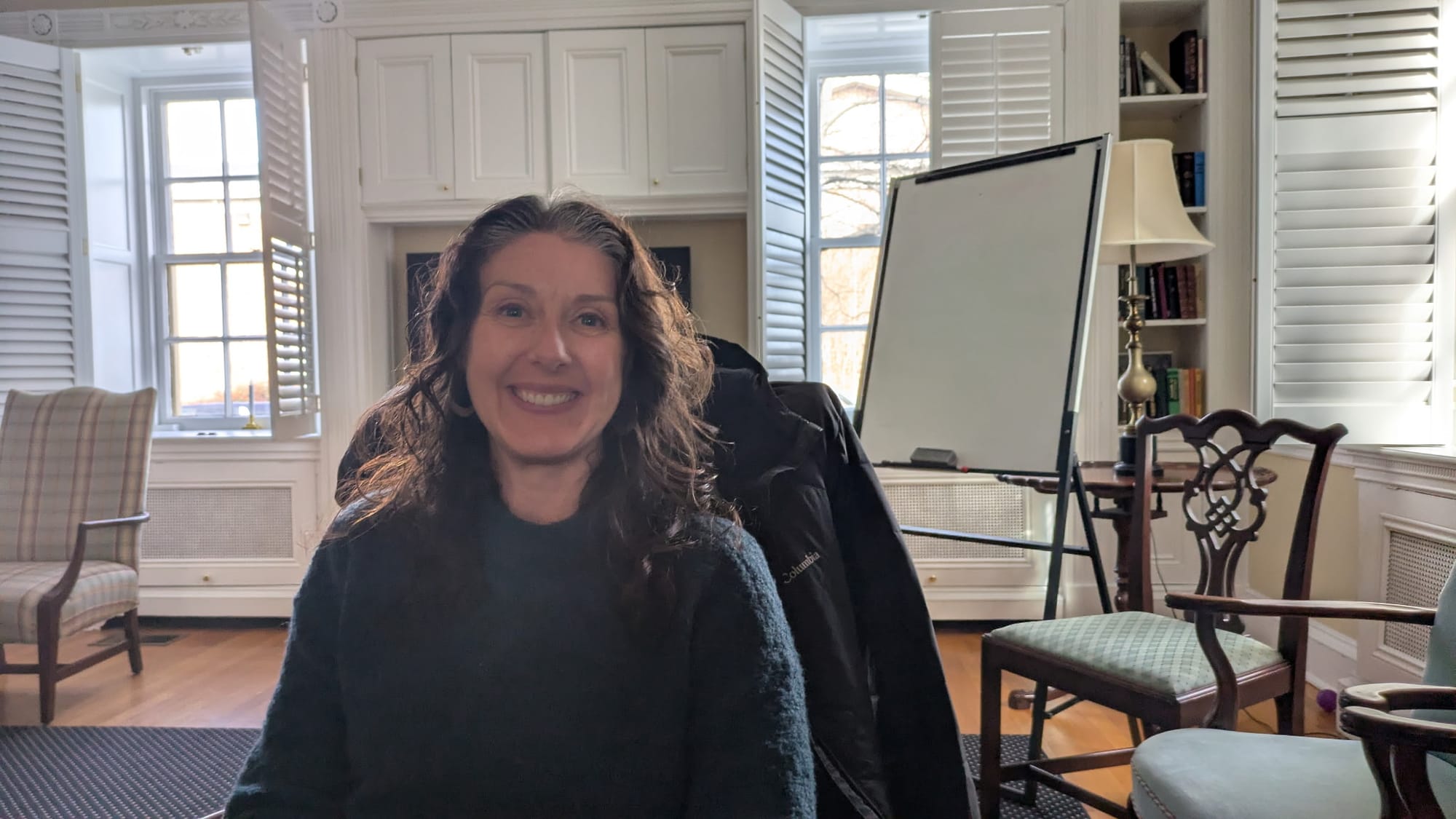
Executive Director Kate Ayers said that the long and arduous journey begins when newcomers to the area arrive, and continues until they are integrated into the community.
“The majority of the population we're supporting came through refugee resettlement systems,” Ayers said, “which means their criteria for them to come into the country is because there's some sort of war or persecution or something happening in their country that makes it unsafe for them to stay there … they crossed a border.”
She added that these newcomers were vetted by the UN HCR (United Nations High Commission on Refugees) and put into a pipeline to be resettled permanently in a number of countries around the world.
“Many of ReEstablish Richmond’s clients are refugees,” she said. “Meaning they did not choose to come here.”
She explained that refugees must go through a very specific process where they can identify if the refugee has a family member or not, which helps determine where in the U.S. they're resettled.
“Sometimes if they don't have a family member, they're just placed where there's capacity,” she added.
In terms of country of origin, the majority of refugees ReEstablish Richmond handles are from Afghanistan.
“They have what's called a special immigrant Visa, which means the criteria for them to come is that they supported the US military during the mission in Afghanistan.”
Ayers pointed out that the U.S. occupied Afghanistan for well over a decade and throughout that time realized that special immigrant visas needed to be issued for Afghans being targeted by the Taliban. “They were offered this special visa to come to the U.S with a green card or a permanent residency.”
ReEstablish Richmond offers all newcomers education, which includes in-person group services to develop skills, including English language tutoring. The agency also seeks to engage donors and volunteers and invites individuals to contribute their time, talent, and resources to make a difference.
“Our work is very client-centered,” she said. “When people come to us, they tell us what their goals are and what they need, and so it's very individualized, and that's not something you find in other organizations.”
Many volunteers work as English language tutors. Classes are six hours a week for 12 weeks at a time, with Ayers adding, “we provide the transportation and the childcare.”
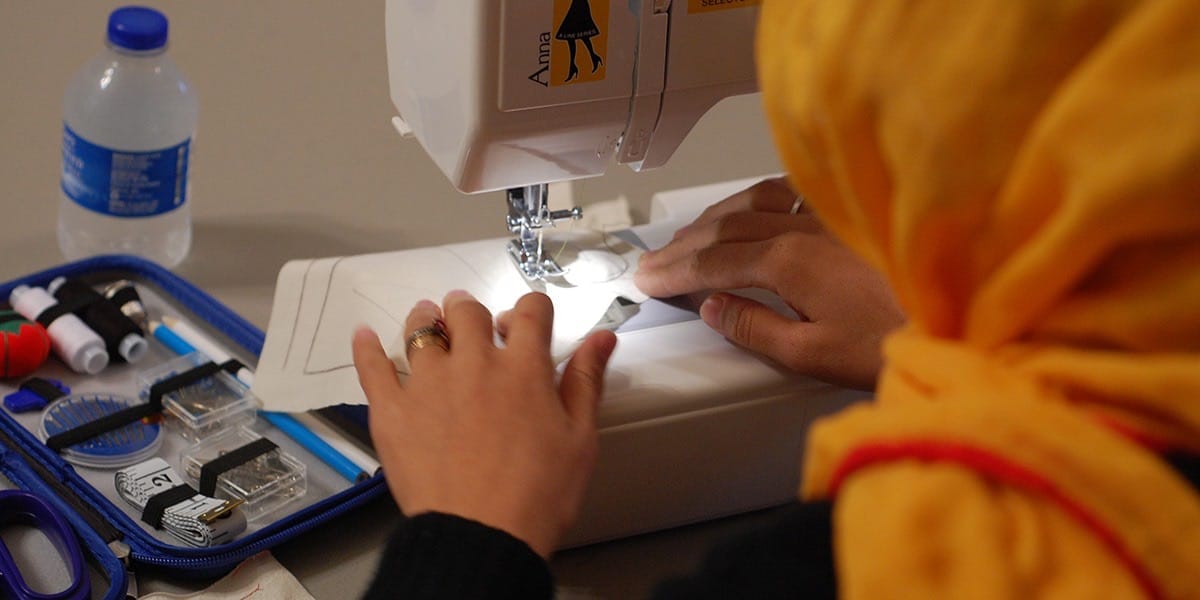
She also emphasized the importance of community for newcomers, especially as it relates to their mental health. One successful way is through sewing classes at ReEstablish Richmond. “A lot of our clients come with a little bit of sewing know-how, but not the English language. So we offer beginner and advanced-level sewing classes, and we move that under health and wellness, because that was where people were really feeling comfortable.”
Success stories
Ayers highlighted some of the success stories from newcomers who arrived at the doors of ReEstablish Richmond. One client came to the agency with the goal to get connected to the process of applying for law school.
They connected her with a volunteer who helped her navigate the application and financial aid process, and she recently graduated from William & Mary Law School and passed the Virginia Bar.
A client from Afghanistan worked as a teacher in her home country and once here, she became a licensed interpreter, working for an online interpretation company.
Another client was an anesthesiologist in Iraq who had to start his medical career over when he came to the United States as a refugee.
“He worked through the medical pathways and became a paramedic and worked for Richmond Ambulance for years,” Ayers said.
Often the act of displacement can take its toll mentally, one reason sewing is offered.
“You have to pay attention when you're sewing," Ayers said. "It keeps you present. I'm not thinking about my past. And so you have people in the sewing class that have conversations with one another.”
New book an interpretation of one immigrant's experience
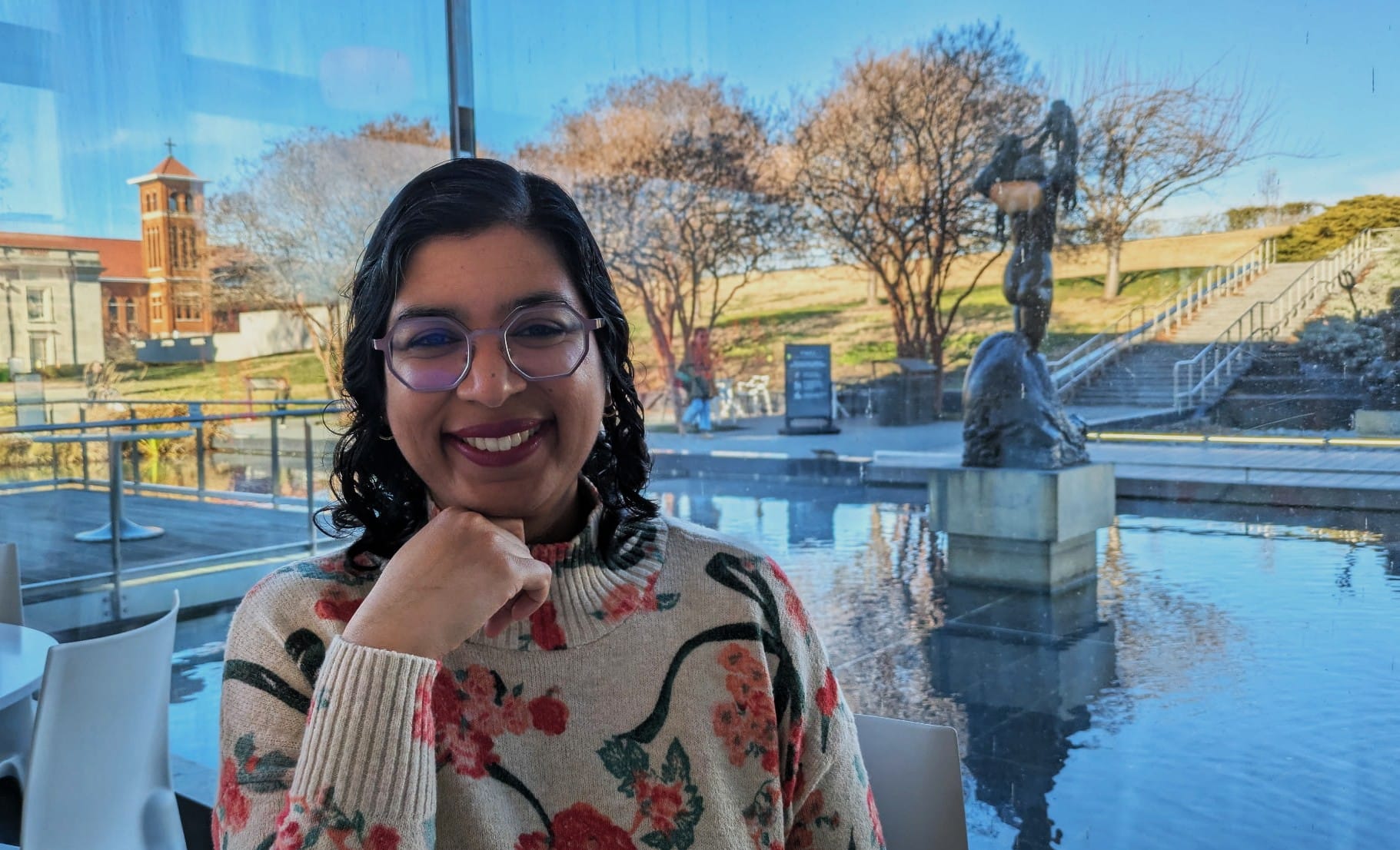
Surbhi Bansal moved to the United States from India in 1997, at age 13. She settled first in Buffalo, New York, and eventually moved to Richmond, where she became an award-winning ophthalmologist, a glaucoma specialist, and an Associate Professor at VCU.
To share the immigration experience, Bansal just released her debut novel Do Not Follow (Koehler Books, October 2025). As Bansal said of her novel, “At its heart, the novel is about community, identity, and reconciliation—themes that mirror the immigrant experience right here in Richmond.”
Seema, the protagonist, is forced to return home after her father’s death to confront her past and liquidate the material assets of her parents' home as she negotiates old traditions, confronting the rekindled memories of her past through interactions with family and old friends, while still searching for independence and belonging. Seema quits her career in medicine, lives with her partner in South Africa, and runs a consignment store, “following her heart.”
As Bansal notes of her immigrant experience, “My parents made sacrifices for our studies and our advancement and opportunities. So that's why we migrate. That's the common immigrant experience: I'm doing it for my children, not for myself.”
The fictional Seema, like many immigrants, has mental health issues as well, fostered in large part by an overbearing mother and the need for the protagonist to forge her own path and ‘do not follow’ anyone else’s, especially her mother’s, world of tradition and marriage —s hedding the past to make way for the future.
The novel in many ways parallels Bansal's own experience of being an immigrant, as her protagonist Seema searches for identity “from being a sugar mill personnel officer’s privileged child to a timid immigrant teenager in Albany then a surgeon in Baltimore. Now a recycling recluse in Durban” and then asking, “Where’s home?”
Home for Bansal, as she is happy to say, is right here in Richmond, where she has established herself as a vital part of the community as an ophthalmologist, a professor, and now a novelist.
“For me," Bansal said. "Richmond’s immigrant enclaves and professional networks have helped me honor both sides of myself: physician and storyteller, Indian and American.”