In code refresh, proposal to allow small businesses in neighborhoods draws mixed reviews
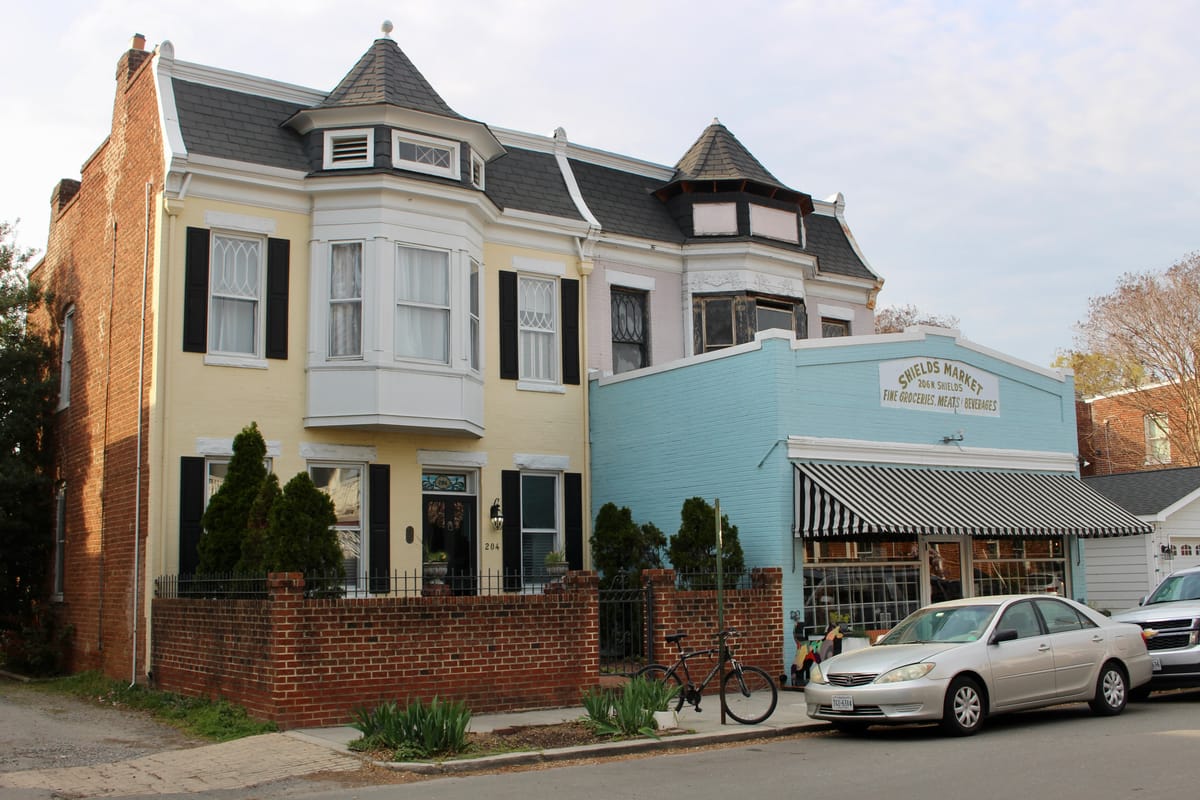
Depending on where you put it, the neighborhood store is a blessing or a curse.
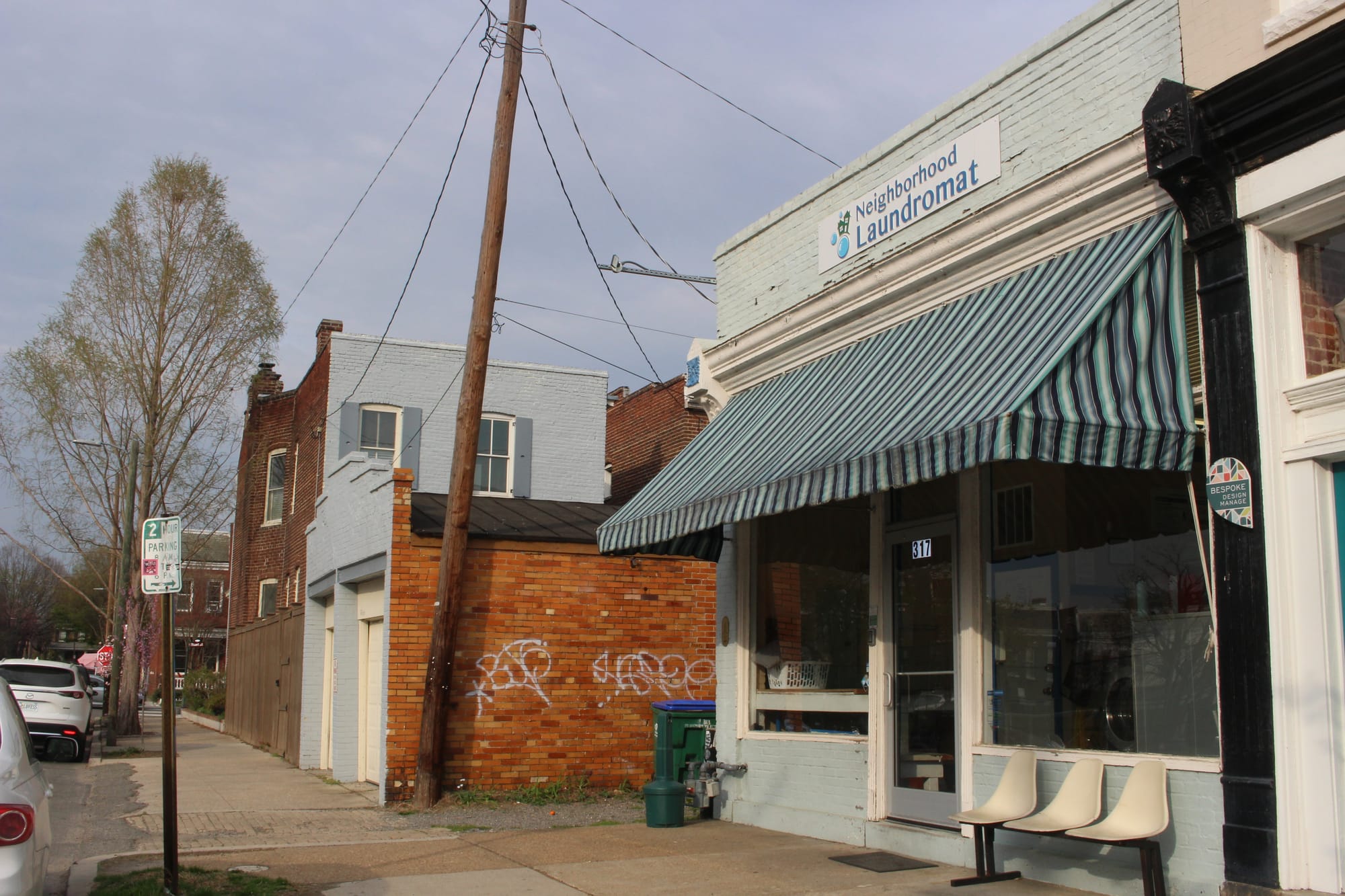
For some, it’s a chance to make life easier. Suddenly the missing onion, the haircut or the dry cleaner is within reach, requiring only a trip around the corner rather than a journey across town.
For others it’s an intrusion, drawing in people, cars and sometimes crime that together disturb the peace and quiet that prevailed when only homes lined the block.
Still, in large swathes of Richmond, there’s no need to argue over the corner store because no corner store exists.
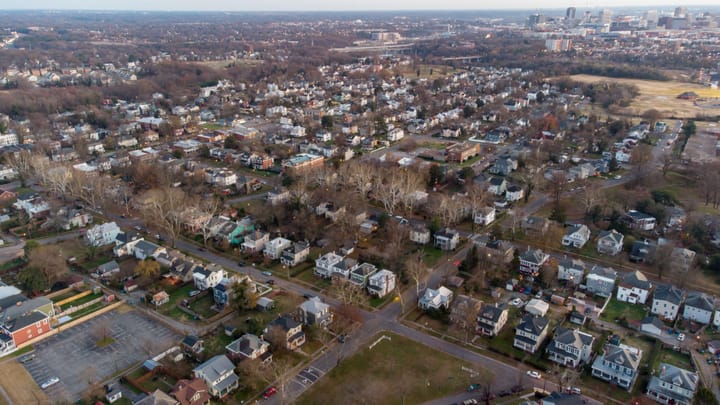
“There’s vast stretches of residential,” said Kevin Vonck, director of the city’s Planning Department. “There is no commercial at all.”
That could change. As Richmond considers a sweeping overhaul of its 1970s-era zoning ordinance, planners are proposing allowing certain small commercial uses within neighborhoods, either with a conditional use permit or, in denser residential and mixed use districts, by right.
The intention, said Vonck, is to let people do more on their properties with an eye to making neighborhoods more walkable and resilient to economic change while also building in some safeguards to prevent those activities from harming existing residents.
“I always like to look at parts of the city that were built pre-zoning and how did people do things when it was just totally a market-driven approach,” he said. “In those cases, they built a lot of residential, but they built some incidental commercial spaces to help serve those neighborhoods. And so what we’re trying to do is figure out, what are those opportunities?”
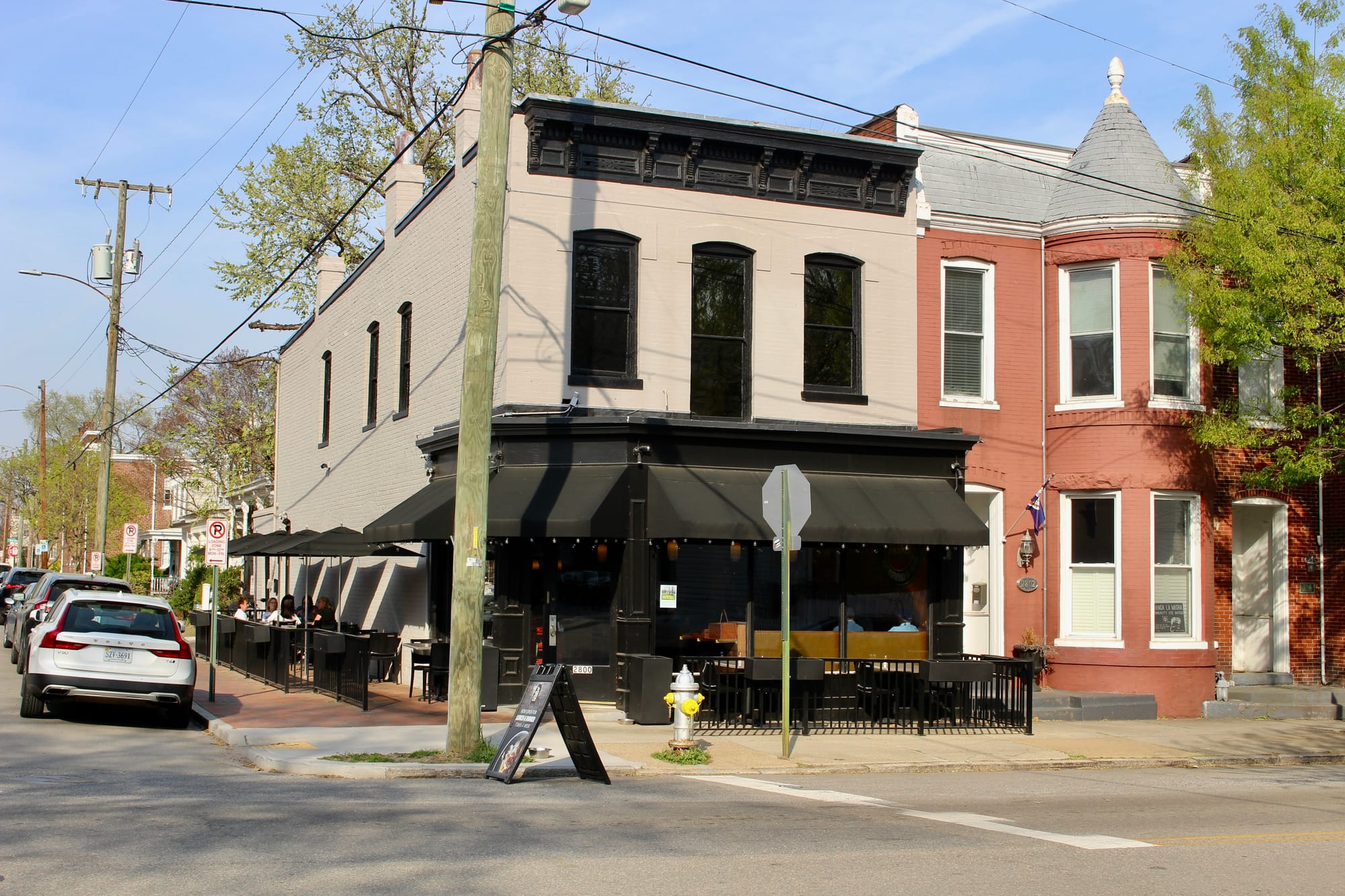
The idea, however, is controversial. Many Richmonders worry that introducing business into residential areas will fundamentally change their neighborhoods for the worse, introducing traffic, noise and crime and driving down property values.
When William “Buster” Johnson bought his house in Barton Heights on the Northside more than 25 years ago, he said he entered into a “social contract” with the city.
“You’re telling me that nobody can put a doggy daycare next door to me,” he said. “Now you’re coming back and telling me you’re going to allow that?”
That prospect isn’t as distasteful to everyone. Richard Hankins, a Jackson Ward resident who works for the Partnership for Smarter Growth, said he sees the possibility of having more small businesses in the neighborhood as a plus.
“Having more walkability, having more amenities, having more excuses to kind of interact with your neighbors and to support not even local but hyperlocal — I mean, to me, that all sounds really exciting,” he said.
Still others accept the overall idea of allowing more commercial in residential areas but think the current proposal to permit it anywhere within a block could use a second look.
“Historically, most all of the commercial development in our neighborhood has been at the corners,” Stephen Versen of the Museum District Association told the Zoning Advisory Council earlier this month. “What the [code refresh] would allow in many places is you can have a series of row houses, very residential, and have a pizza parlor or bar right there in the middle part, which would be really unlike any of the other development in the area.”
Separating uses
When it comes to city design, the idea that most residential should be strictly separated from all other uses didn’t take hold until about a century ago.
Most urban planners in the United States date that view back to 1926, when a U.S. Supreme Court case sprang from a disagreement over how land could be used in Euclid, Ohio, a suburb of Cleveland.
The decision, which was handed down fewer than two decades after the introduction of zoning, would ultimately yield a set of land use principles that would be applied across the nation. Known as Euclidean zoning, this blanket approach to how cities ought to be rested on two conclusions that remain persuasive to many Americans today: Cities work best when residential, commercial and industrial uses are strictly separated. And apartment buildings are detrimental to single family residential neighborhoods — “very near to being nuisances,” in the court’s words.
The change in approach can be seen in Richmond’s neighborhoods today.
In the oldest parts of the city, in Shockoe Bottom and parts of Church Hill, residential and commercial uses are jumbled together, often with businesses on the first floor and apartments overtop. The pattern would persist in major neighborhoods like Jackson Ward, Manchester, the Fan and the Museum District, where commercial is scattered throughout blocks of homes or anchored at corners.
As the streetcar suburbs of the North and South sides grew around the turn of the 20th century, a few developers tweaked the formula: Rather than sprinkling commercial throughout residential blocks, they created one or two commercial strips in the center surrounded by residential lots.
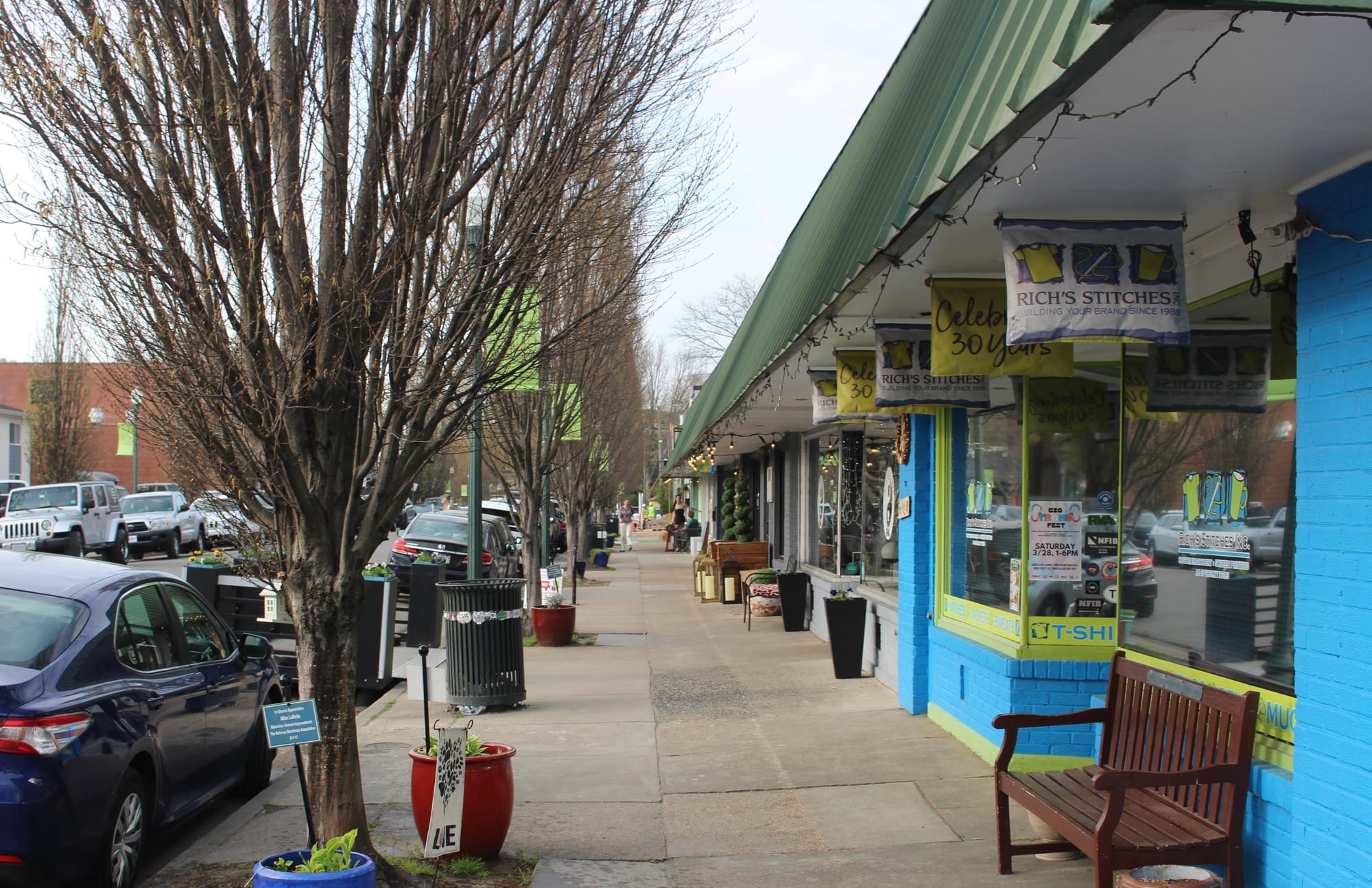
During World War II, however, Richmond carried out a citywide rezoning that among other aims sought to remove business and industrial uses from residential areas.
“The intrusion of commerce and industry into residential neighborhoods has also been very detrimental,” found one Planning Commission report at the time, as recorded by The Richmond Times-Dispatch. “The city has very few well developed trading centers outside the central business district, although individual scattered stores are quite numerous.”
The rezoning passed in 1943 and immediately sparked a lawsuit over whether a Mrs. Frankie Snukals could operate a small grocery store in a former shoe repair shop on Strawberry Street in the Fan (then called North Addison Street). The use was nonconforming with the surrounding residential, Snukals acknowledged, but so was its prior use. Despite a petition opposing the plan from neighbors, who worried a grocer would drive down property values and be unsanitary, Snukals prevailed in court. Today the building is the office of the Fan District Association.
What’s next?
The latest proposal put forward by Mayor Danny Avula’s administration would loosen many of the restrictions set in the 1940s and retained in the 1970s overhaul of the code.
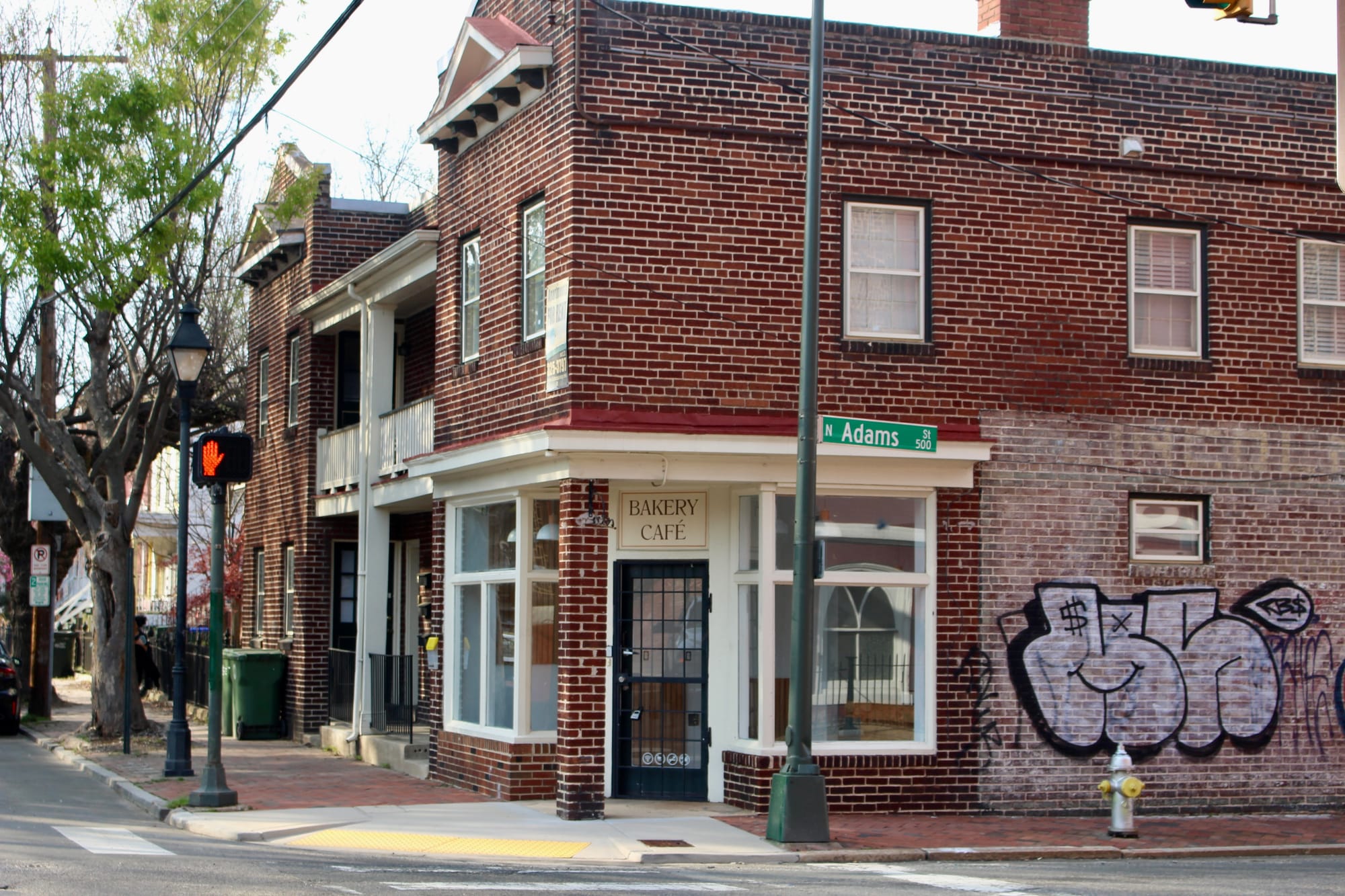
The goal, said Vonck, is to allow smaller-scale commercial uses that are “incidental to the neighborhood.”
“It’s not a 10,000 square foot Aldi with a parking lot around it. It’s something that’s smaller,” he said. “It provides the benefit of having that service or that option without bringing in all the drawbacks.”
Under the current plan, Richmonders would have a range of options to use parts of their residential parcel for commercial activities, including live-work, home occupation and home-based business arrangements. All would require that the property have a residential unit and would allow anywhere from several hundred to 3,000 square feet to be devoted to commercial use depending on the circumstances.
With the exception of home occupations, which are allowed under the current code, none of the commercial uses would be allowed by right in any of the three residential detached districts or the residential attached district — those areas generally viewed as single family neighborhoods. Instead, property owners would have to seek a conditional use permit from the city as well as meet a list of operating restrictions laid out in the code dealing with issues like operating hours, deliveries and sound.
In residential multi-unit districts — areas that allow buildings with six or more units — the square footage of the commercial space would determine whether the owner would need a permit or could operate by right. (Another proposal to rezone all houses of worship throughout the city as mixed use is also being considered, although the possible development scenarios would play out differently and officials are weighing the ideas separately.)
Vonck said that for planners, much of the focus has been on figuring out which uses “might have a better opportunity to go sideways.”
For those, “it’s probably good to have maybe a conditional use process,” he said. Businesses involving alcohol sales or consumption have greater potential to disturb neighbors, he noted, while smaller retail or professional services are less likely to cause negative impacts.
“What's brought out a lot in these conversations is worst-case scenarios,” he said. “And we're trying to think through and protect against that. But I do have some hope in humanity that I feel like most people do want to be a good neighbor.”
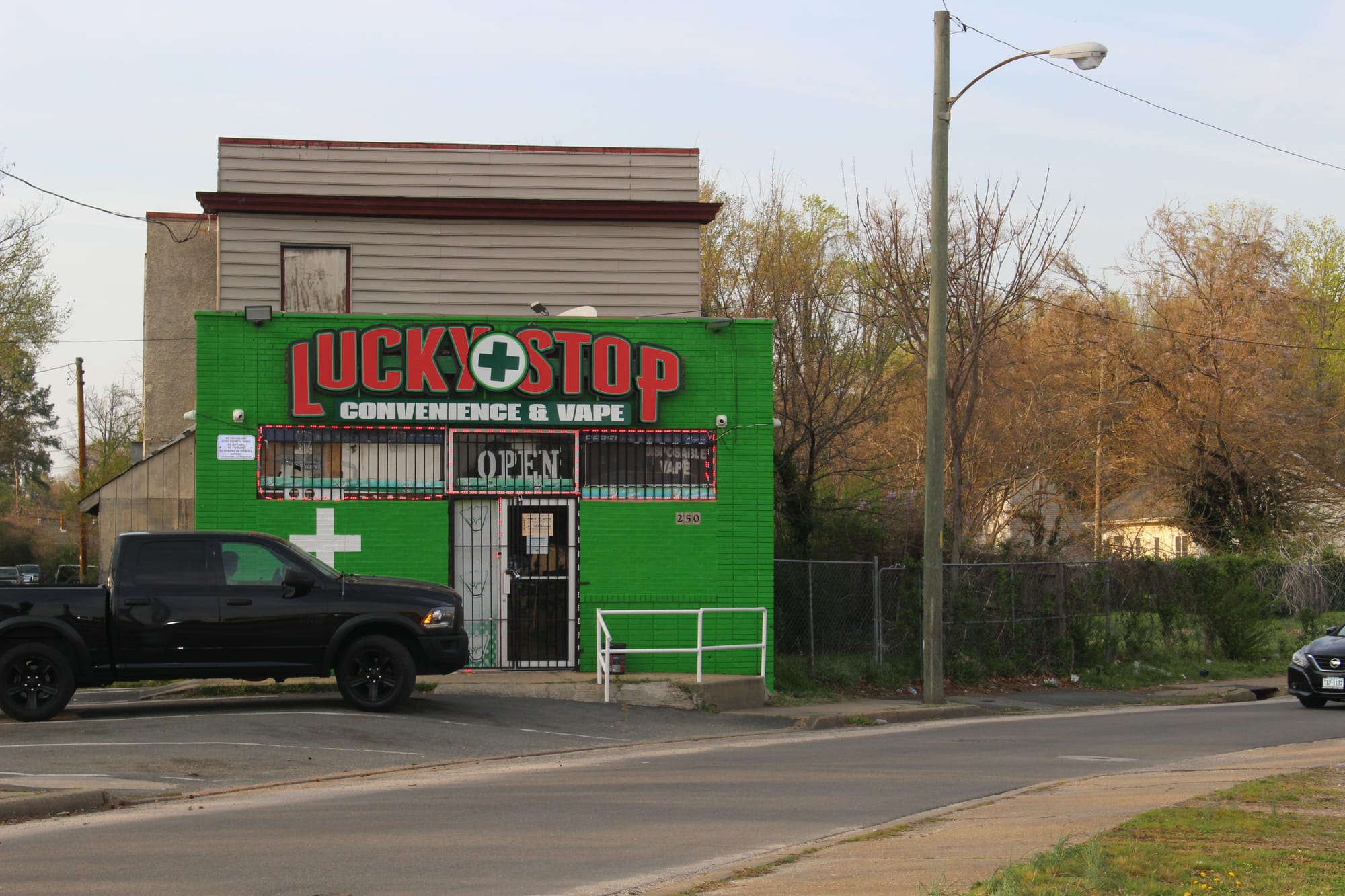
Still, he acknowledged that not every business is a good neighbor. For every neighborhood convenience store with beloved owners, a devoted clientele and a 9 or 10 p.m. closing hour, there is another elsewhere that is a hotspot of crime, noise and trash. Commercial robbery was one of the only types of major crime that increased in 2025, with roughly one-third targeting vape shops.
While the city earlier this year imposed strict rules on new vape shops that prohibit them from residential areas, some Richmonders remain leery of what could move in next door.
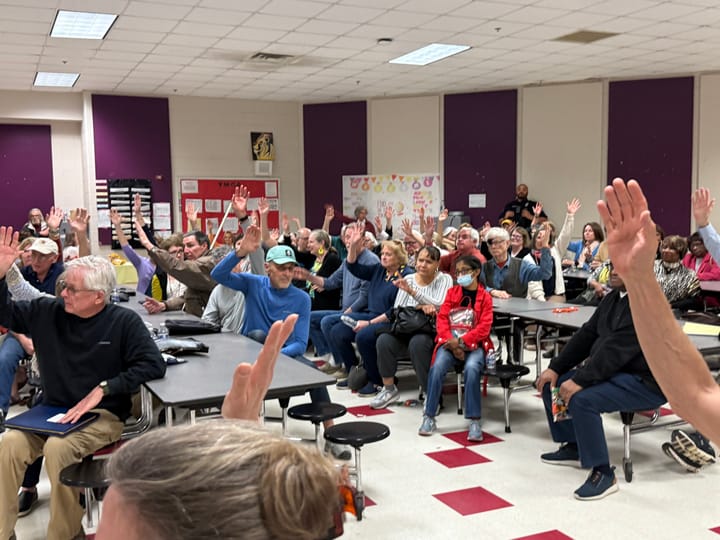
At a February event held by Homes for All Our Neighbors, a coalition of groups broadly in favor of the code refresh process, residents of Richmond’s Southside gathered to discuss what they would like to see in their neighborhoods.
One Swansboro resident put it bluntly: “Anything other than a vape shop.”
CUPs vs. SUPs
Perhaps the biggest unanswered question in the debate about commercial uses is what the conditional use permit governing them in most situations will look like.
“I think it’s really going to be important that we take a careful look at whatever the proposed conditional use language is, the procedures and so forth,” said ZAC member Charles Menges at the group’s February meeting. “I think it’s a big hole that we need to fill and make sure we’re filling it in a way that makes sense.”
The standards for the CUP are still in the process of being developed. But one major hurdle that the city will have to clear is how to get people to use that mechanism rather than the existing special use permit.
While other local governments in Richmond also offer what they call special use permits, the Richmond SUP is unique in that it offers applicants the chance to override literally any part of the zoning ordinance with the permission of the City Council as long as the plan meets six broad criteria. Because of the flexibility it offers, most property owners in the city rely on the tool when seeking permission for a project that doesn’t comply with the zoning rules.
Another wrinkle: The SUP is laid out in the city charter, meaning any significant changes to the process would have to get approval from the General Assembly.
In a February letter to the Planning Department, the Oregon Hill Home Improvement Council urged the city to rely on the SUP rather than a new conditional use permit for commercial projects in neighborhoods.
“SUPs have been an important opportunity for community input for improving all projects,” the group wrote.
If Richmond does remain committed to the conditional use permit, officials will have to provide some inducement to property owners to use it — a faster approval process, for example, or more clearly defined criteria than the completely open-ended SUP.
“You have to incentivize folks to hit the easy button,” land use attorney and ZAC member Preston Lloyd said at a meeting last spring. “It’s got to be expedited, otherwise everyone’s just going to do the SUP every time.”
The tactical urbanism artist was hired after officials concluded “an artist would be needed to coordinate the vision for community art and translate that into appropriate for asphalt applications,” said a DPW spokeswoman in an email. Skrimpz was chosen because he is “a local artist who also had a passion for, and experience with, working with local youth and community.”
Fears and hopes
Even with vape shops off the table, some residents feel that adding business to residential blocks is simply inappropriate and not what they signed up for when they chose to buy into their neighborhood.
“One of the things I love about my neighborhood is that there are no businesses and less traffic than neighborhoods that do have businesses,” said Johnson, the Barton Heights resident. “With the traffic comes more noise, loud music, speeding, litter, car damage, crime, and parking issues.”
Commercial along main corridors is fine, he said. But he worried that introducing businesses into the heart of neighborhoods would undo years of effort by residents to revive areas once blighted by drugs and crime.
One survey conducted by the Hampton Gardens Association, which covers a slice of the West End between Cary and Patterson streets, found overwhelming opposition to the idea among those who participated.
“Commercial uses in family-oriented neighborhoods will be dangerous,” wrote one respondent in results shared with the Planning Department. “No sidewalks. Kids walk in the street. Commercial traffic will be very dangerous.”
Others have pointed to vacant commercial space around the city as proof that more isn’t needed, although the matter is a point of debate: Landlords asking for rents unaffordable to mom and pop shops may be the bigger driver of vacancies, say some, while the availability of more modest spaces could help more small businesses enter the market.
Casey Overton, a member of the city’s Zoning Advisory Council, last spring framed the issue as a way to increase economic opportunities even as job insecurity grows.
“I think we could potentially face larger problems if commercial isn’t allowed to expand and flex in ways that will allow for what people need,” she said. “I think the flexibility will ultimately serve us better than being fearful of the congestion or other outcomes that I don’t think should be that dramatic, even if they’re not on major streets or corners.”
How dramatic the effects are likely to be is unclear and would almost certainly vary between neighborhoods depending on what businesses take hold. Many of the categories of commercial use that would be allowed in residential areas cover dozens of potential business types; “general personal service,” for example, includes nail and tanning salons, music and martial arts studios, laundromats, tailor shops, smartphone repair stores, animal groomers and more.
For Damian Pitt, another member of the ZAC, people’s comfort or discomfort with the conduct of business in their neighborhood isn’t just personal. It also has to do with what he has called “class issues.” Thousands of Richmonders already work out of their homes without any widespread qualms from their neighbors, he told the council last May.
“It's sort of assumed that if you're the type of person who works in your computer in your den, then that's OK, but if you're the type of person who has a different type of job from your house that's more kind of public facing and has kind of this exterior presence, then that's not OK,” he said.
Still, while a small jewelry studio might produce no more noise or traffic than a home office, it would be hard for a cafe or market that relies on foot traffic and requires consistent deliveries to have no impact on its surroundings. The conditional use permit that would be required for those businesses in single family neighborhoods imposes rules for hours, occupancy, noise and more to try to minimize the effects, but Johnson worried that the city lacks the enforcement power to truly protect neighbors.
“They have failed to police the code we currently have for decades,” he said. “Policing and budgeting it for such should be part of this entire conversation.”
As people consider what the new code would allow, Vonck urged residents to remember that the current code also allows many intense uses — libraries, museums, schools, government offices and places of worship — in even the city’s least dense neighborhoods, generally with little complaint.
“Those can be really, really busy places,” he said. “And there’s no restrictions in terms of size, scope of operations, hours of operations.”
“I don't see this as any different,” he continued. “If anything, what we're asking for or allowing for is things that actually do have some, I'll say, guardrails.”
Even as the risks of the proposal remain front of mind for some, others believe the benefits would be significant.
Incorporating small commercial uses into neighborhoods, proponents say, could help Richmond become more walkable and convenient, especially for those residents who don’t have a car or want to reduce their carbon footprint. It could give a boost to local businesses that already face an uphill battle in competing with big retailers. And it could bring some long-desired economic activity to parts of the city that have virtually no amenities, including neighborhoods on the Southside that were developed as suburbs and annexed from Chesterfield County in the 1940s and 1970s.
“Small markets, restaurants can be closer to neighborhoods,” Josh Scott, executive director of Virginia Community Voice, told attendees at the February Homes for All Our Neighbors event.
In fact, many of Richmond’s most desirable neighborhoods today have just that: shops, restaurants and services in easy walking distance of homes, say supporters.
“We used to have this urban fabric design, and we see traces of it today — the corner stores, the fun small markets in the Fan that have largely been made illegal or nonconforming in today's zoning code,” said Hankins, the Jackson Ward resident and “smart growth” advocate. “I think people see a great advantage to having a local market where you don't have to go a few miles just to pick up an onion or something you need for dinner.”
Contact Reporter Sarah Vogelsong at svogelsong@richmonder.org