Proposed RPS budget has no new raises, central office layoffs, and eliminates summer school
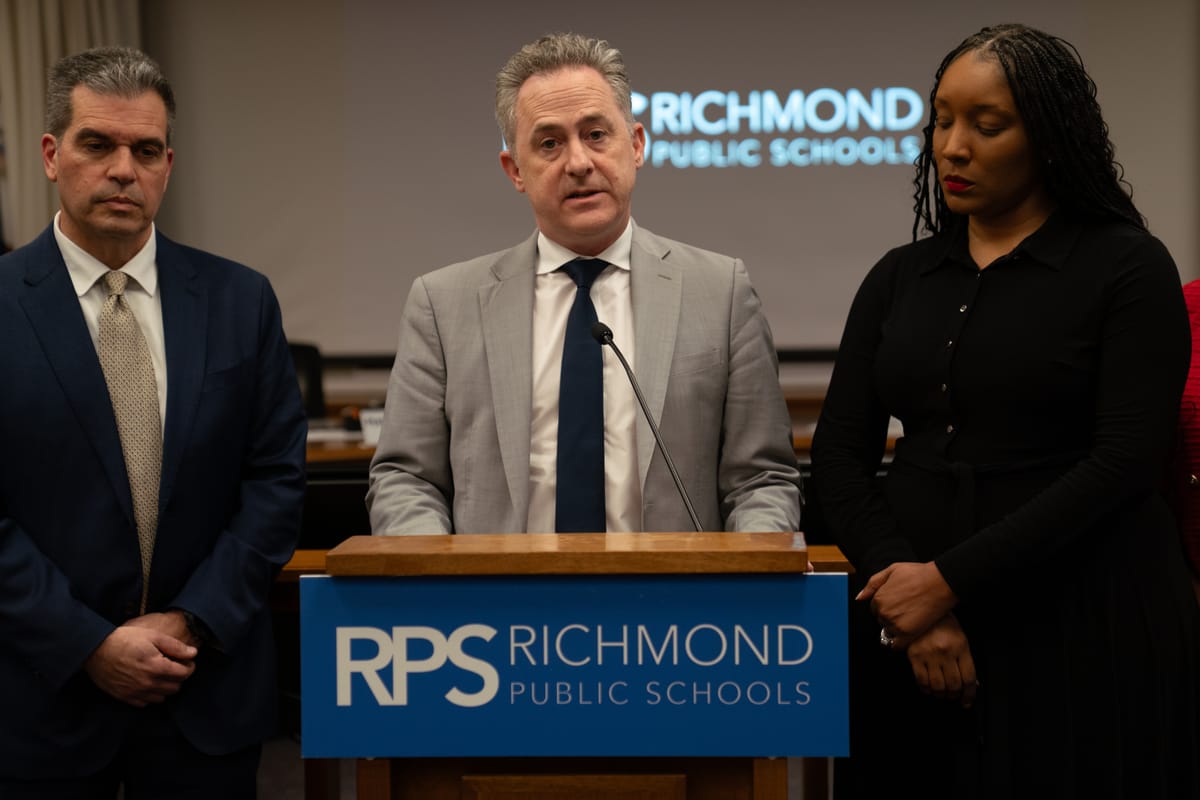
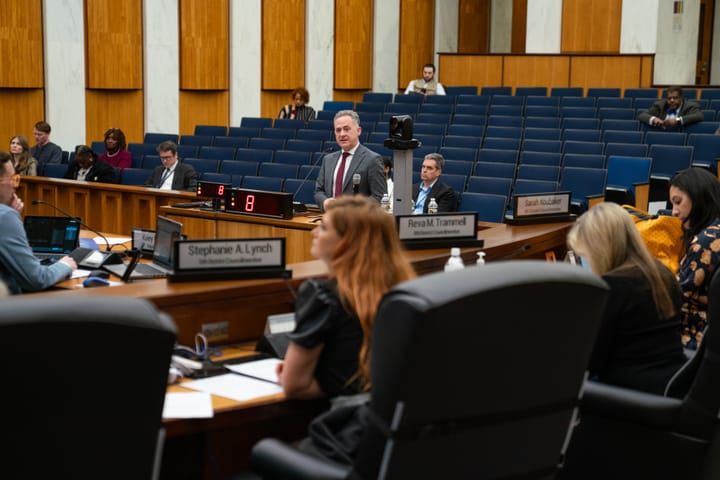
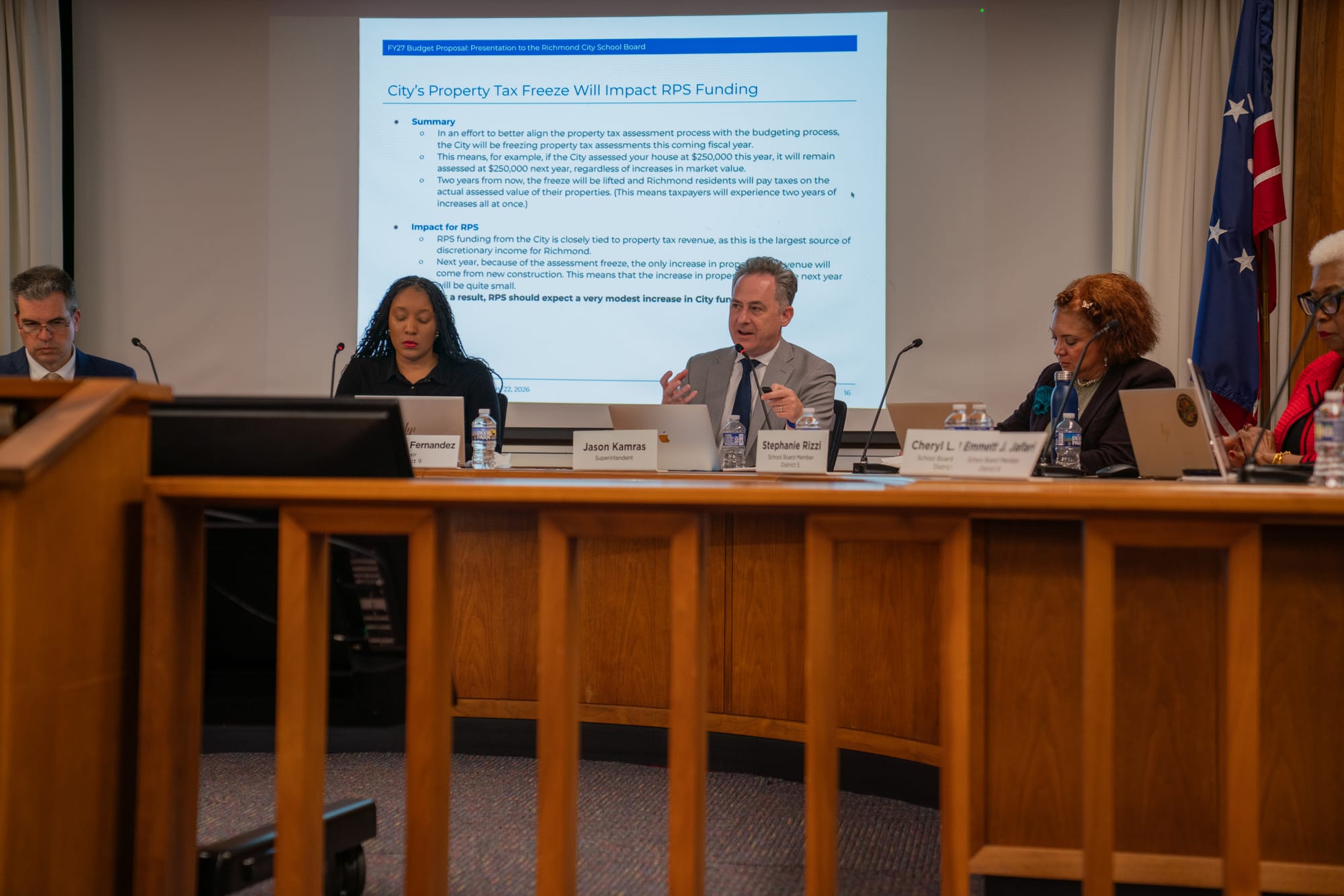
The mood on the 17th floor of City Hall was somewhat somber as Richmond Public Schools Superintendent Jason Kamras presented his proposed budget for fiscal year 2027 to the School Board Thursday night.
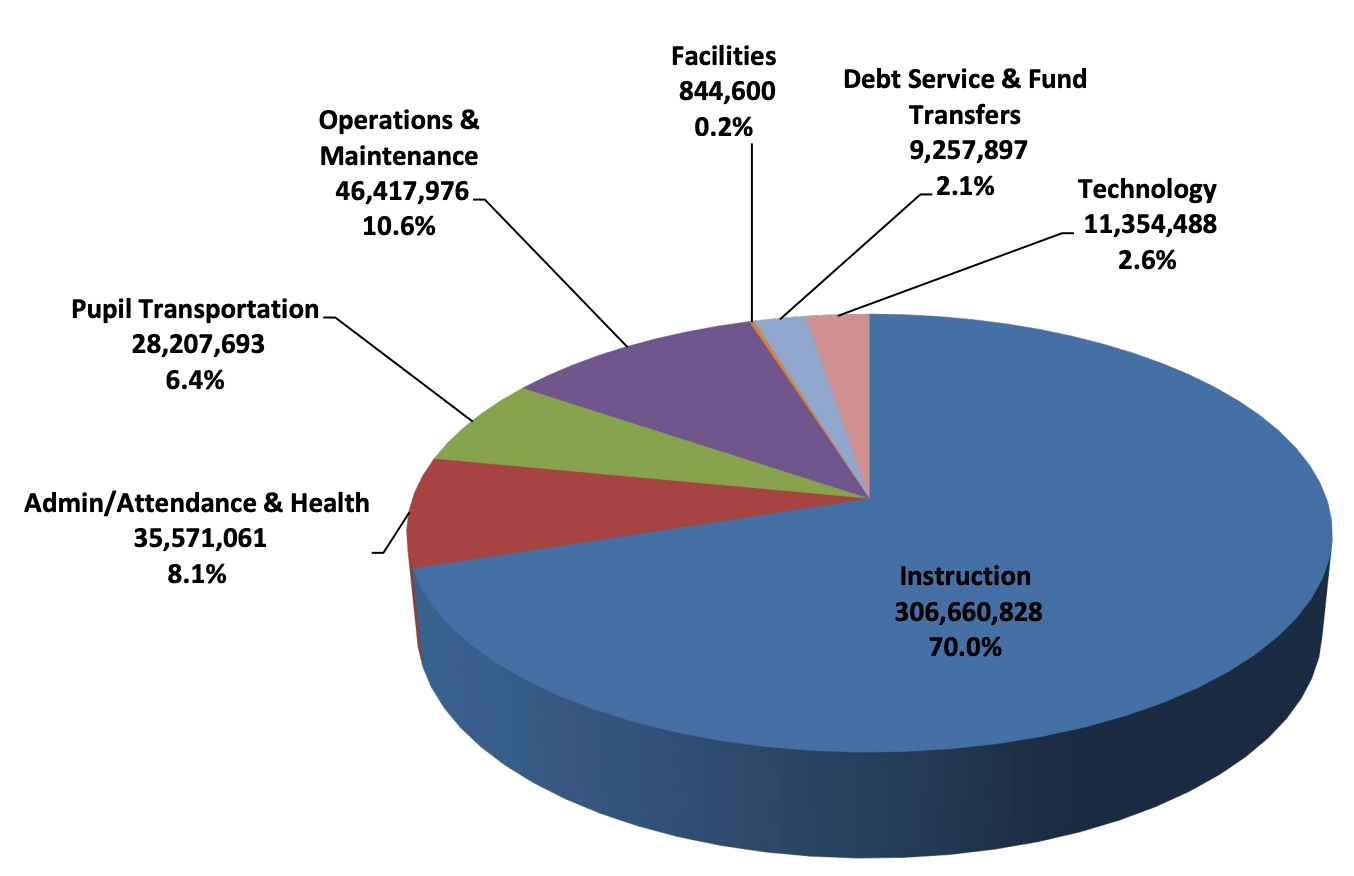
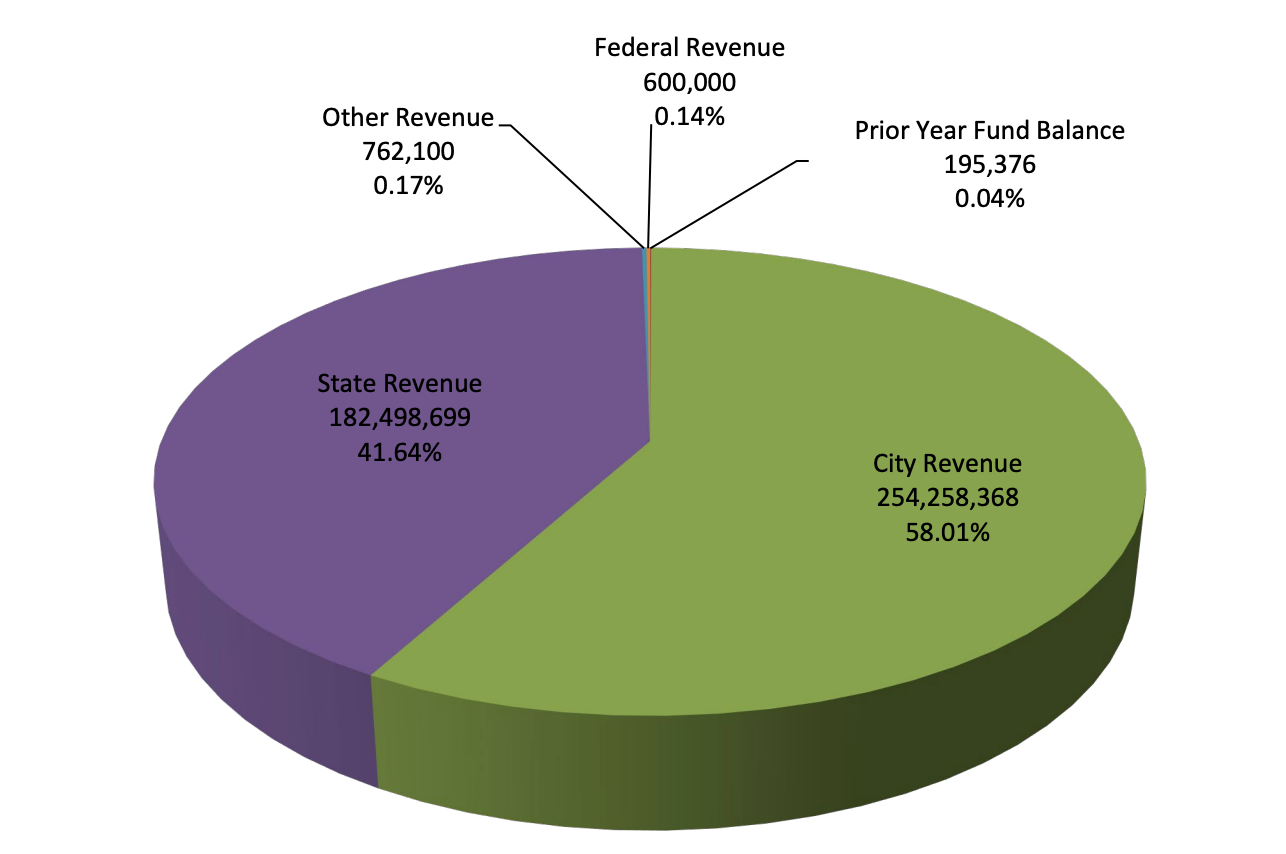
Kamras told the Board that expenses for the division are expected to rise next year by at least $31 million, but funding will not grow by the same amount. Additional funding from the state and city is expected to grow by $7 million and $5 million, respectively.
As a result, the administration plans to scale back $22 million in planned expenses to “remain in balance.”
“Highly regrettable reductions, but I’m trying to make the numbers work,” Kamras told the Board.
Most notable is a pause on raises for staff members and the splitting of health insurance increases with employees. Doing this would save the division $4 million and $2.8 million, respectively. Employees would still receive a 1.17% annual salary step increase.
Kamras also announced the proposed layoffs of 46 central office full-time workers, which would save $4.8 million in salaries and benefits annually. The superintendent told reporters in a press conference that he would not share the impacted positions with the public at this time because it would reveal the employees, who were notified of their pending discharge earlier in the day.
“Quite frankly, I’m devastated. It shouldn’t have to come to this,” said Board Chair Shavonda Fernandez (9th District). “Today was a hard day for RPS. We are losing valuable associates.”
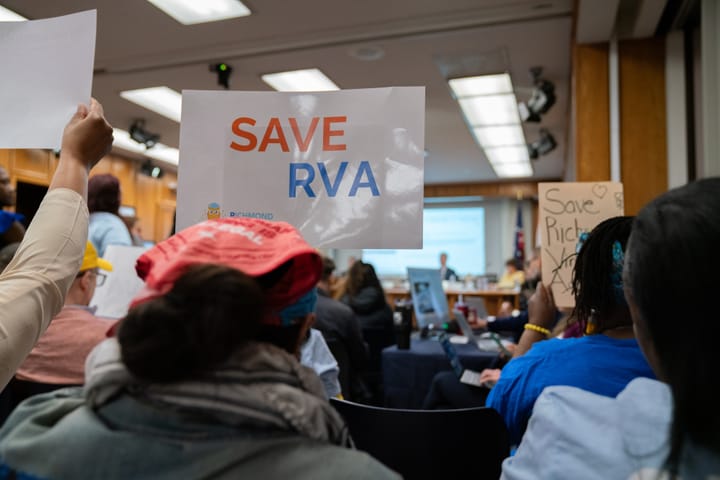
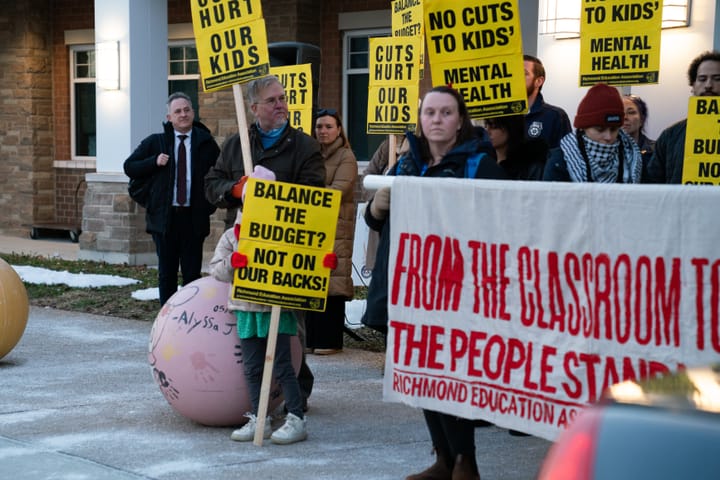
Kamras said that union leaders have been notified of the proposals, and he expects to hear from them during public comment periods for the budget.
The superintendent also proposed implementing furloughs for himself and senior staff in his cabinet. (See the full budget here.)
Some services for students are on the chopping block in Kamras’ proposal, like closing Richmond Virtual Academy and eliminating summer school for kindergarten to eighth graders.
The division aims to center its dollars on the traditional school day, he said. Anything outside of that “is unfortunately perhaps not able to be sustained with fewer resources.”
Funding gaps
The city provides the bulk of Richmond schools’ funding. Kamras pointed to the city’s incoming property tax freeze for this year, which will reduce the city’s revenue growth. As a result, Kamras said the division plans to ask the city for an additional $6 million rather than the full $31 million.
School Board members immediately responded to the presentation with calls for action from the public and more funding from the state.
“Please don’t be quiet. … A lot can still happen,” said Vice Chair Matthew Percival (1st District) to the public. He offered to forward emails from residents to state representatives that contain advocacy for more funding to Richmond schools.
Small glimmers of optimism were expressed when referring to proposed bills in the General Assembly, including a bill that would allow taxpayers to decide whether to fund school construction through a 1% local sales tax, and another requiring the state to adjust its school funding formula. The school construction bill, which Kamras said he believes would pass, could bring the division $50 million a year for school construction.
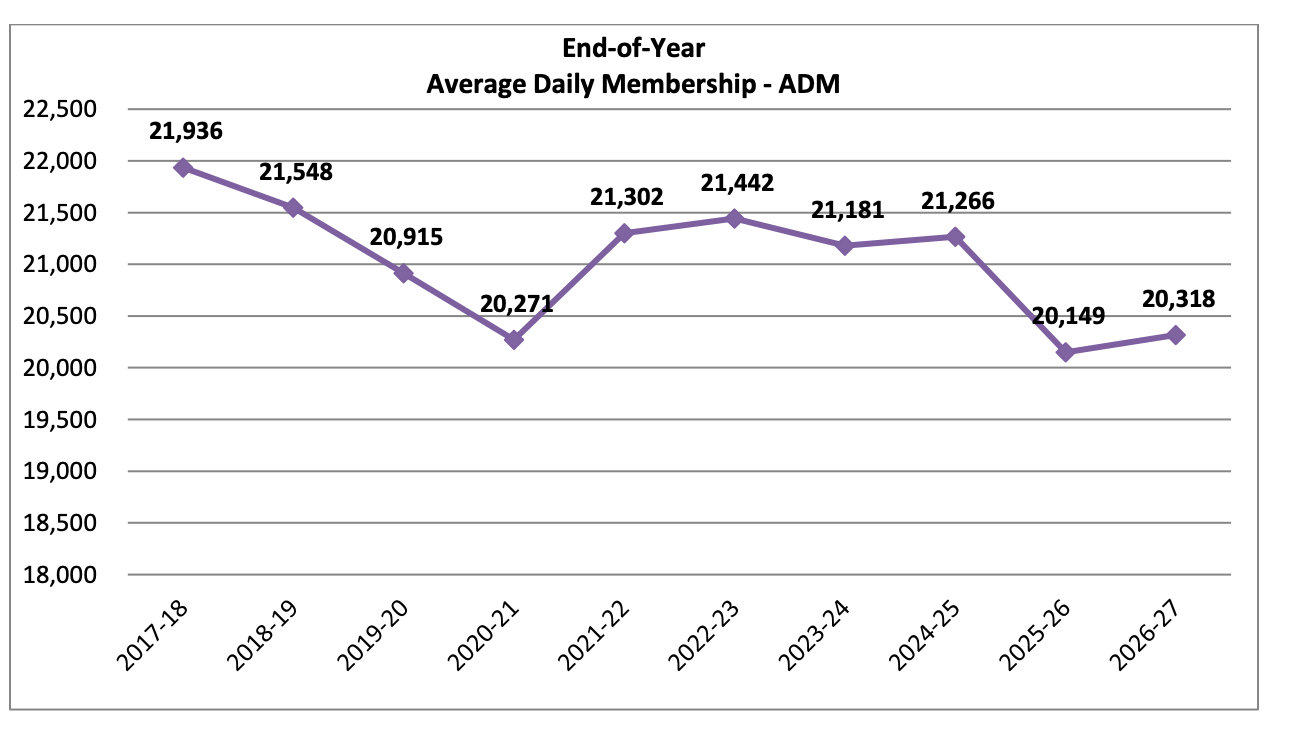
“The state has been underfunding us for a long time,” said Board member Stephanie Rizzi (5th District). She also called for families to bring their children back to RPS, saying that the division’s student enrollment contributes to the state’s funding and “causes us to lose a bit of funding that we desperately need.”
Summer school and Virtual Academy would be shuttered
Kamras said Richmond Virtual Academy was born out of the pandemic and was funded by the American Rescue Plan Act, an economic stimulus bill that was implemented to combat the impacts of the COVID-19 outbreak. Those funds expired last summer, he said, and the division has been able to keep it afloat using local money.
He said the school had classes of fewer than five students in some of the elementary grades.
“In a time of financial constraints … it is no longer possible for us to continue to dedicate those local dollars for something that was previously funded by the federal government,” he said.
In budget documents, the listed savings from closing the Virtual Academy is $3.2 million.
Fernandez and Kamras said the administration has offered those teachers positions at local school buildings, and will be working with families to figure out what schools they can go to. Kamras also added that the division’s homebound and home-based services – which allows students to learn from home due to personal restrictions – will remain.
The division has attempted to close the academy before in 2022, which was met with backlash from teachers and families of students at the school.
Discontinuing summer school for all elementary and middle school students would save $100,000, according to the budget presentation. That is also the budgeted cost of renaming Armstrong High School to Armstrong-Kennedy, which the Board approved late last year.
Summer school for high school students is still intact, Kamras stressed, and added that administrators are beginning conversations with the city’s Parks and Recreation Department “to see if they are able to do something that approximates summer school.”
Next steps
Before the division’s budget is adopted and finalized, the proposed budget will go through rounds of discussion with the School Board, which will approve it and present it to the mayor. The mayor incorporates RPS’ budget in whole or in part into the city-wide budget, which will be adopted by City Council.
The School Board will also host a town hall meeting on Feb. 9 at River City Middle School where the public can discuss the budget.
Contact Reporter Victoria A. Ifatusin at vifatusin@richmonder.org