Fewer Amtrak trains means future progress as a bevy of projects get underway in Virginia
Amtrak means different things to different people.
For Chris Sherring it is a more efficient mode of transport from his home in Princeton, New Jersey to his monthly business meeting in Richmond. For Gary Akens it offers a less stressful commute to D.C. than I-95. For Betty Anne Beard, it provides a travel alternative following a battle with vibrio vulnificus, a flesh-eating parasite, that left her unable to drive due to nerve damage.
“This is my first time traveling in two years,” Beard said as she sat in Richmond's Staples Mill Station midway through a 12-hour journey from Williamsburg to Greensboro. “My granddaughter just turned two in North Carolina, so I’m on my first train trip.”
She added that she liked that she could move and stretch out in the middle of a train ride.
Beard is not alone. Rail is increasingly popular in Virginia. Amtrak Virginia had 1.4 million trips last year – a new record and a 5% increase compared to 2023.
To accommodate that demand, the state has made significant investments in train travel in recent years, headlined by the Virginia Passenger Rail Authority’s $6 billion Transforming Rail in Virginia initiative.
More trains out of Main Street Station
Efforts to grow train travel have spanned the Commonwealth, with a groundbreaking for a project to Christiansburg in April and an added round trip to Norfolk in 2022.
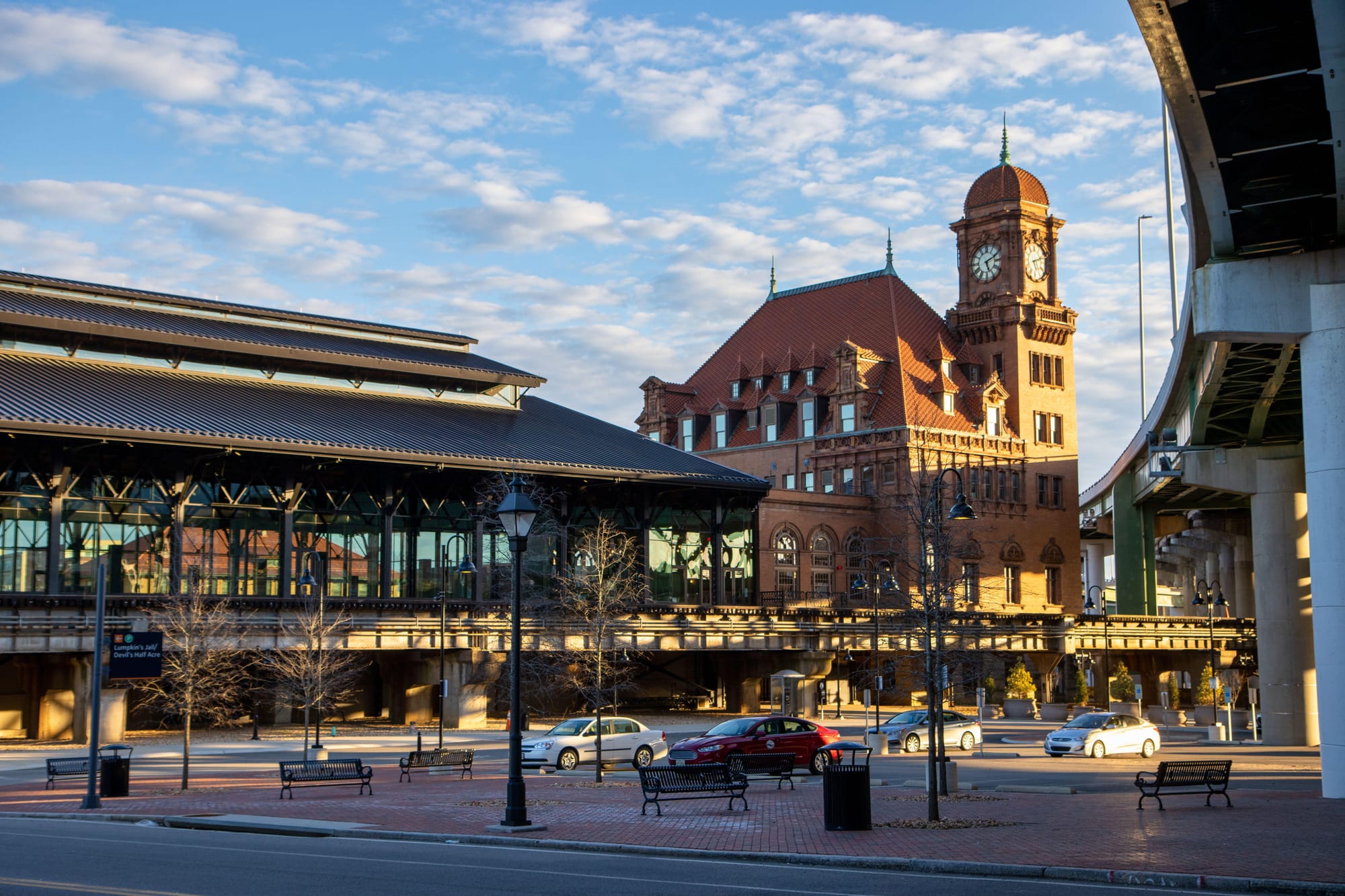
Amtrak has also added to train service out of Richmond Main Street Station, which now has three trains per day. There are plans to build an overnight storage facility that would further boost the number of trips out of the city.
VPRA has funding for the project’s design phase but is working with Amtrak and exploring federal grants to pay for construction of the $76 million project. It plans to complete the project by December 2030, according to a VPRA spokesperson.
The Long Bridge
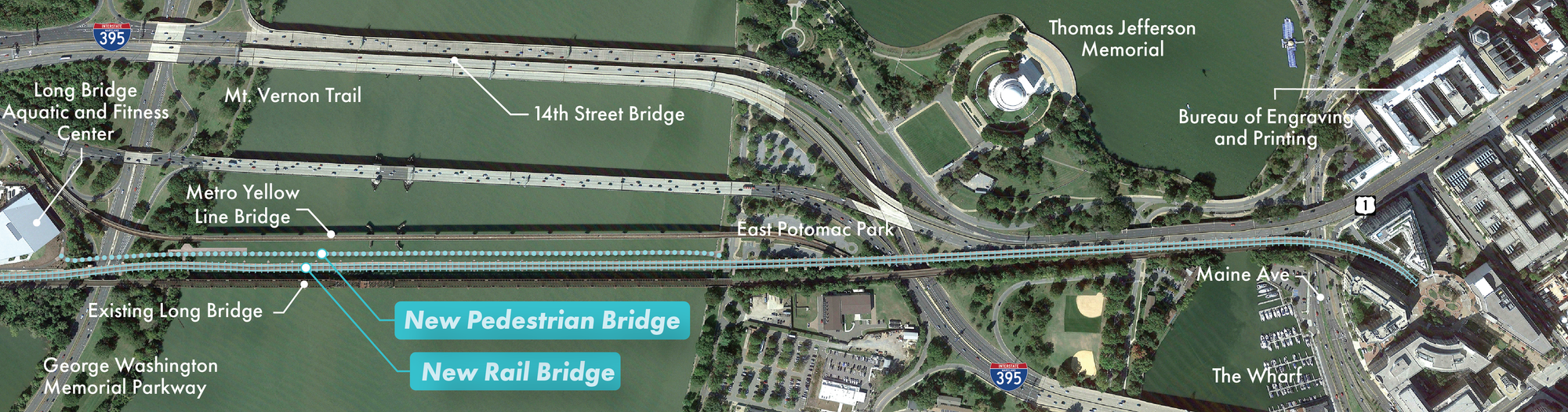
Some of the state’s most ambitious projects will likely make rail travel worse before it gets better. The Long Bridge is a critical piece of infrastructure, with all trains using it to cross the Potomac River between D.C. and Virginia. A VPRA project to boost the bridge’s capacity will add two additional tracks to the existing two tracks. In total it includes seven bridges, with others for freight rail, pedestrians, and bicyclists.
However, when the $2.7 billion project begins January 12, the number of trains into Richmond will drop from 10 to eight, until work is completed in 2030. When finished, the new bridge will increase the number of roundtrip trains in Virginia from eight to 13, according to a VPRA spokesperson.
“While we are thrilled with the progress of the Long Bridge Project, we understand that these necessary service changes will be difficult for a number of our passengers,” VPRA Executive Director DJ Stadtler said in a press release. “We want those passengers to know that we did not take these decisions lightly, and we evaluated every possible scenario to limit the disruptions while providing our construction teams with the work window they need to safely complete the project on time and on budget.”
The other key project is the Franconia-Springfield Bypass, which costs $405 million and will allow passenger rail to travel above freight trains. The project is currently under construction.
More trains moving faster
There are other developments that could make for a better rail experience on the horizon. Amtrak is scheduled to roll out Siemens-made Airo trains on the Northeast Regional in 2027. Richmonders riding north of D.C. have likely experienced the more than 30-minute wait times for Amtrak to change from diesel to electric engines. The dual-mode Airo trains, which can reach 125 miles per hour and will be outfitted with 5G WiFi, operate more like a hybrid car and will allow Amtrak to seamlessly shift engine modes.
The change could shave a half-hour or more off a trip to somewhere like New York Penn Station (currently about a 6-hour ride). Danny Plaugher, executive director at Virginians for High Speed Rail, sees reducing travel time as key.
“For the Richmond region, the question becomes, can we get trains that are faster than driving on I-95?” he said. “If a train between Richmond and D.C. gets you from downtown Richmond to downtown D.C. a half an hour faster than it would take you on I-95 for the same trip, I think that is a very high quality service.”
One way to make train travel faster is by reducing the number of stops, which Plaugher said can take about 10 minutes each. Plaugher would like to see express trains from Richmond to D.C. that cut around 3 stops – something that he sees as possible due to the added train capacity from the Long Bridge project.
In addition to northeast trains, there are efforts to improve rail between Virginia and North Carolina. According to the VPRA website, the Richmond to Raleigh: S-Line Corridor Project would decrease the travel time between the two cities by an hour (it currently takes about 3 hours and 30 minutes). However, the project appears to be stalled. The North Carolina Department of Transportation received a $1 billion grant for the project, but the funding is currently frozen by the U.S. Department of Transportation. NCDOT did not respond to a request for comment.
However, VPRA has managed to largely avoid federal funding freezes. Michael Testerman, executive director at the Virginia Rail Policy Institute, applauded the Authority for securing funding for its major projects.
“The fact is that Virginia is committed and has the vision to see this through,” he said.
Realizing that rail vision would be good news for someone like Beard, who wants to travel despite not being able to drive.
“I probably will have a good experience today,” she said. “I expect to take it again.”