

Our reporters reflect
As the year comes to an end, our reporters reflected on a story they wrote this year that has stuck with them.
Graham Moomaw
Stories about people being wrongfully imprisoned tend to stay with you, and writing about what happened to Marvin Grimm Jr. in Richmond decades ago and the city’s apparent reluctance to pay him restitution money was no exception.
 Graham Moomaw
To me, that was a story about what society owes to someone who went into prison in their early 20s and didn’t come out until the age of 65. What do we do about all those years lost and memories never made?
You can’t give someone back a life, but the money is supposed to be a gesture that at least something has been done to right a past wrong.
Journalism can help focus attention on an issue that might otherwise be pushed off or kept below the surface, and I hope our coverage played a small role in getting city leaders to treat that issue with more urgency.
Sarah Vogelsong
This spring, as the city’s zoning overhaul kicked into high gear, I did an in-depth story on what Richmond is hoping to achieve from the process that also touched on worries already beginning to emerge from some residents about how the code refresh might change their communities.
 Sarah Vogelsong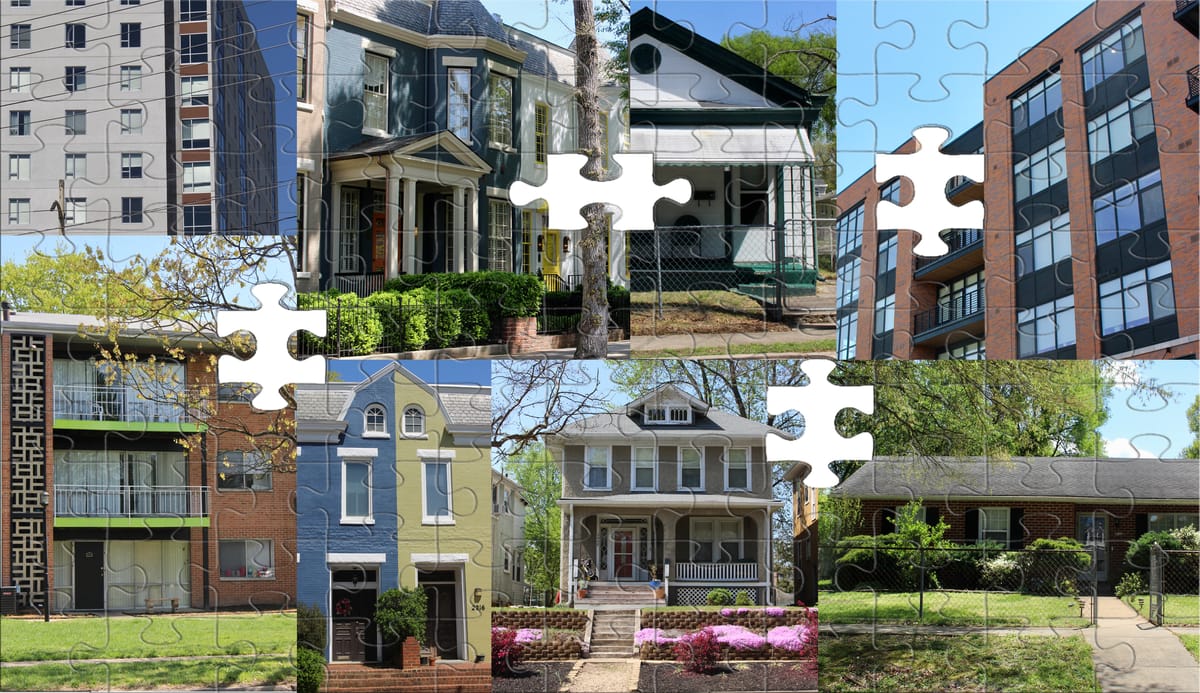
That story ended up being a scene-setter for what has undoubtedly been one of the top issues for Richmonders this year. The “code refresh” aims to rewrite the city’s 1970s-era zoning ordinance, and it highlights pretty much every point of tension in Richmond today: The historic segregation that shaped how the city grew, the pressures that the recent influx of higher-income residents have placed on existing communities, the affordability crisis, the strong connection people have to their neighborhoods, infrastructure disparities between the north and south sides — you name it.
Much of the second half of my year has been devoted to covering the code refresh as it unfolds, and so I’ve found myself coming back to this story repeatedly. When you’re covering big stories with a lot of different perceptions (and people have a LOT of different perceptions of this issue), it can be helpful to sometimes take a step back and revisit the bigger picture.
Victoria A. Ifatusin
For our 25 in '25 series celebrating community heroes, I was assigned to write about Angela Jordan, a site coordinator with Communities in Schools at Richmond High School for the Arts.
 Victoria A. Ifatusin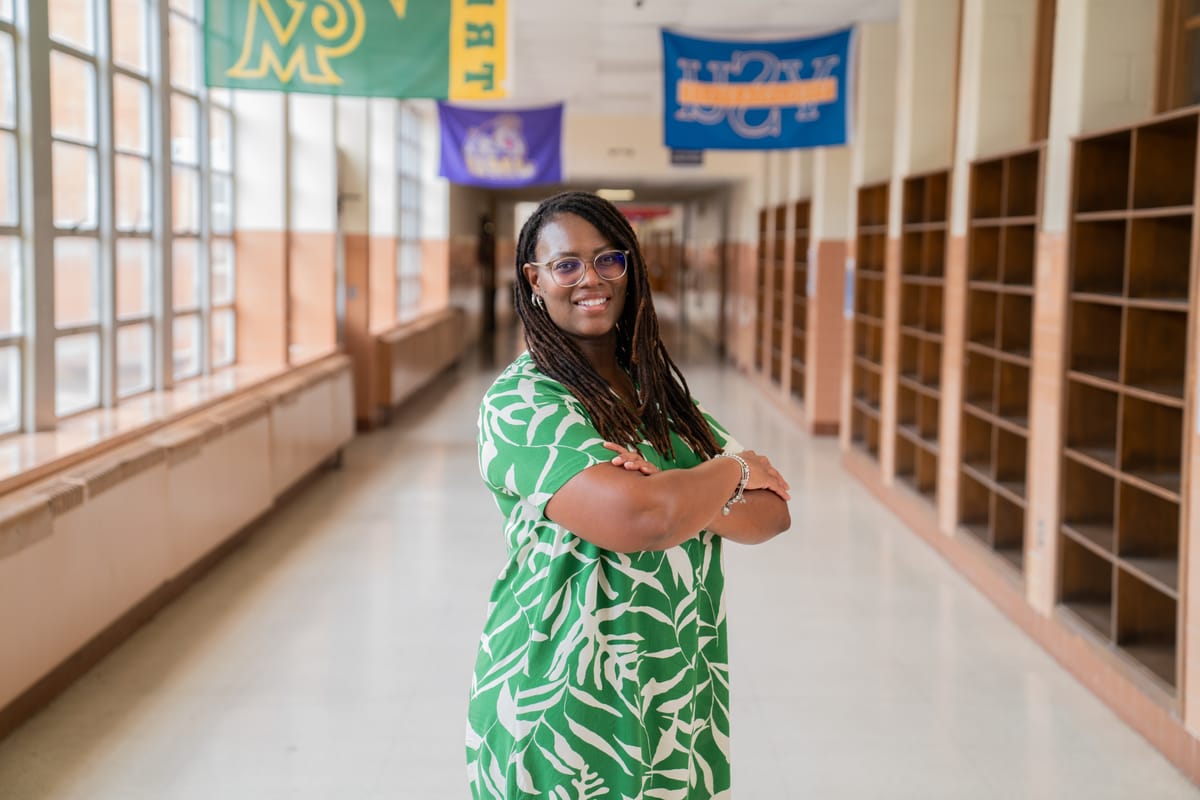
Her job title doesn’t fully capture what she does — helping high-needs students succeed in school by assisting to provide their basic needs, like food, shelter and clothing.
During our interview, I got emotional as she shared intimate stories about students who graduated with her help, one of whom is no longer with us today.
That conversation stood out to me because stories like hers, which are also stories of those students, are also important. They shine a light on the quiet, powerful work happening in the Richmond community.
Last call for our matching gift!

As a nonprofit newsroom, we don’t hide our content behind a paywall or answer to corporate sponsors. We rely on our readers to fuel our reporting — which is why our NewsMatch campaign, happening now, is so important.
Until Dec. 31, all donations up to $1,000 will be matched thanks to a generous grant from the Institute for Nonprofit News. Make a one-time donation here, or learn more about our funding model here.
The editor's desk
I've met with dozens of community groups over the course of the year, introducing The Richmonder to them and hearing what's on their mind.
But I won't soon forget my trip to Sharp's Island, mostly because it's not accessible by car or foot. We gathered about 75 readers on the island in October to discuss the future of the James River park system.
 Michael Phillips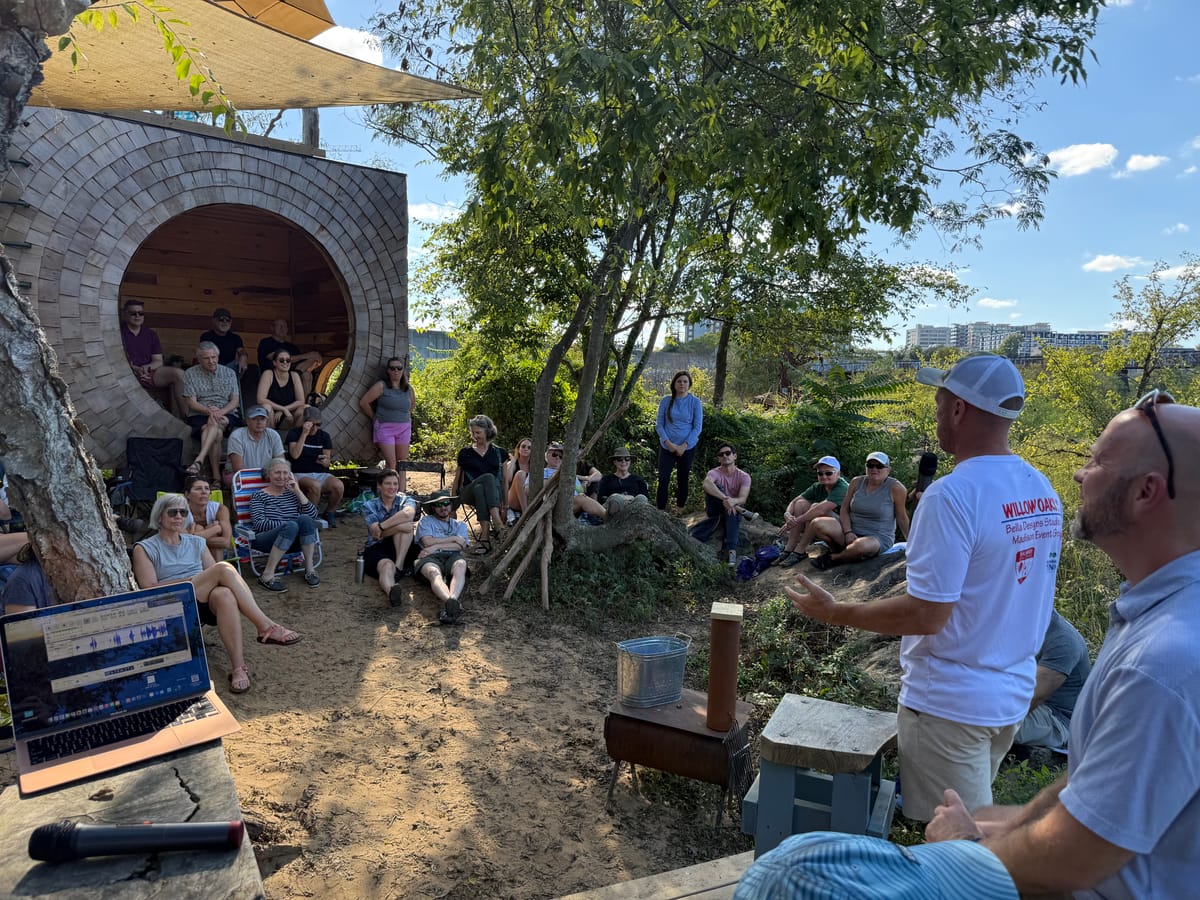
The Richmonder is built around the premise that local news can bring people together and create a better society. Our discussion that day lived up to those ideals, and I look forward to many more in 2026.
Michael Phillips, founding editor
mphillips@richmonder.org
Sent this by a friend? Sign up for our free thrice-weekly newsletter here.
Want to support The Richmonder? Become a donor for as little as $9.99 a month and keep quality local journalism in the community.

