Audit finds city fell short on paying required revenues into Affordable Housing Trust Fund
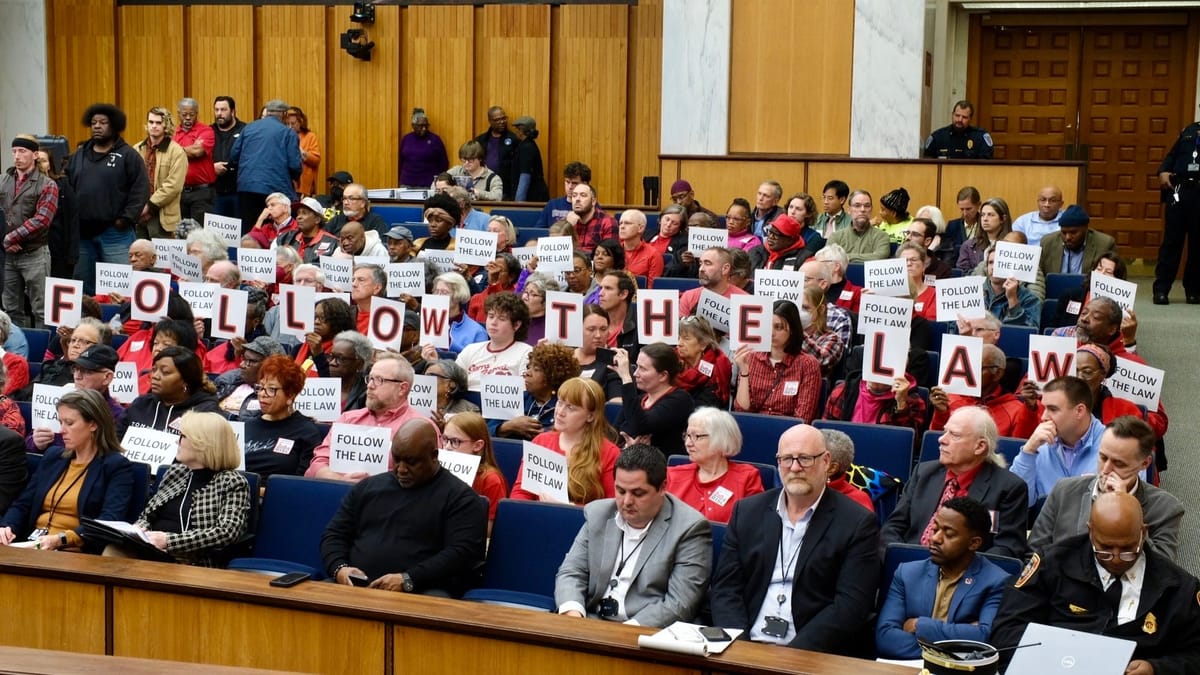
A report from Richmond’s auditor released Friday found the city did not consistently follow requirements in city code for channeling revenues into its Affordable Housing Trust Fund.
Part of the problem, concluded the report from City Auditor Riad Ali, was that the city never created a formal plan for how to meet those requirements or procedures to ensure that it was following the law. Nor, until December 2025, did it set up a separate accounting fund for the trust fund that would have made it easier for the city to track what was flowing in and out.
“Key elements of the requirements were unclear or not adhered to, in part due to the absence of a documented implementation plan,” the audit stated.
Mayor Danny Avula said he “welcome(d) the audit findings and believe they will be helpful guidance for moving the Affordable Housing Trust Fund work forward.”
“I’m deeply committed to creating a smart, workable solution with a dedicated funding source, and the audit helps clarify the steps to get there,” he said.
Some fixes for the audit’s findings may already be underway. Both Avula and a group of city councilors led by Councilwoman Ellen Robertson (6th District) have put forward proposals to replace the current system of routing money into the trust fund with a new approach tied to real estate tax revenues.
On Sunday, Robertson said that seven recommendations put forward in the audit would be incorporated into future plans.
“I think ordinances in the future would mandate that we get an implementation plan from the administration,” she said.
The Affordable Housing Trust Fund was created by the City Council in 2008 to provide loans and grants to developers for the creation and preservation of affordable housing. Over the years, the Council identified two dedicated sources of funding for the pool: revenues drawn from the expiration of partial real estate tax abatements starting in 2021 and up to $1 million in proceeds from city sales of tax delinquent properties beginning in 2019.
Both of those funding streams were required to be credited to a special reserve, from which the City Council could then appropriate the money to the trust fund.
However, the audit found that only in one year, 2022, did the city credit the revenues from the expiring abatements to the special reserve — and that money, which amounted to $2.4 million, was never transferred to the trust fund.
Furthermore, it determined that the city had never credited delinquent tax sale revenues to the reserve. This November, after a tussle over how the city would pay required restitution to a wrongfully convicted man who had been imprisoned for 45 years, the City Council voted to transfer $2 million of delinquent tax sale revenues to the trust fund.
Despite those shortfalls, Richmond has directed significant amounts of funding in recent years toward affordable housing projects, with $20 million in American Rescue Plan Act funding and $30 million in proceeds from general obligation bonds being allocated for those purposes.
 Graham Moomaw
The causes
Ali’s report identified several problems that may have contributed to the failures.
For the expiring tax exemptions, different language in the City Council request for an ordinance and the actual ordinance made it difficult to determine how the revenues were supposed to be calculated. Ultimately, the auditor said those discrepancies made it impossible for him to determine exactly how much should have been credited to the special reserve for the trust fund.
While the auditor found some undated policies related to the data calculations, he said his office could not figure out whether they were ever followed.
For the delinquent tax sales, Ali pointed out that the city code doesn’t specify how often those funds should be credited to the special reserve for the trust fund or whether the $1 million cap was intended to be annual or overall.
Between 2020 and 2025, the City Council appropriated $8.8 million in revenues from delinquent tax sales to other purposes. That included $2.7 million to the Enslaved African Heritage Campus — the precursor of the Shockoe Project that is currently under development — although the auditor said his office had been unable to locate any record that $1 million of that had actually been transferred.
“The Finance Department was unable to provide an explanation for why the funds were not transferred,” the report stated.
As of the completion of the audit, the Council’s November 2025 transfer of $2 million to the trust fund had also not been recorded.
The auditor’s office warned that if both unaccounted-for transfers were to occur before any additional revenues were deposited, the fund that holds delinquent tax sale proceeds would dip into the red.
“Additional ordinances may exist not identified in this review for which transfers did not occur from the Delinquent Tax Sales special revenue fund which would make the negative balance higher,” the report said. “The city needs to establish a process to track and ensure transfers established through ordinance are carried out in the financial system.”
Among the seven recommendations made by the auditor are that the city figure out what to do with the $2.4 million in 2022 revenues drawn from expiring abatements that were credited to the reserve fund but never appropriated and that the city set up formal processes for reviewing proposed ordinances, monitoring their implementation and tracking any funding related to them.
The Avula administration formally agreed with all the recommendations. Responses included in the audit outline numerous steps that officials have already begun to take to address the shortfalls flagged in the report, including ordering the Department of Finance “to establish a documented process to track City Council-approved ordinances that authorize financial transfers and monitor each transfer through completion.”
Contact Reporter Sarah Vogelsong at svogelsong@richmonder.org