Ahead of March budget plans, Avula outlines $23 million in proposed housing investments
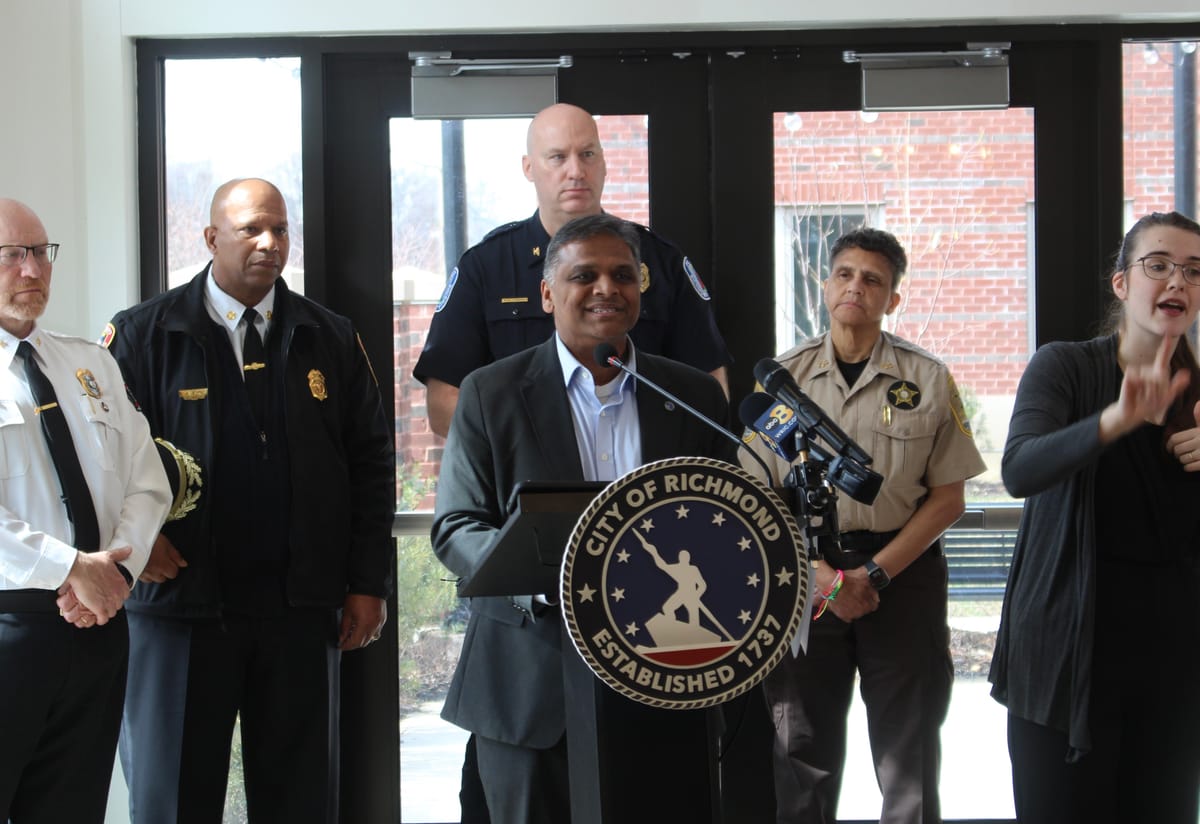
Mayor Danny Avula announced Friday that he intends to propose more than $23 million in the upcoming budget that will spur the development of affordable housing and help keep existing residents who are being pinched by rising costs in their homes.
The funding, which the mayor pitched from the 66-unit Highland Terrace Apartments, an affordable housing development completed in 2024, is the first glimpse of what Avula will be prioritizing in a city spending plan he’s set to lay out on March 11.
“We want to build more homes for more people, and we want to find more ways for people to stay,” said Avula.
Much of the spending outlined Friday is a continuation of funding that the city is putting toward those programs this year.
City officials have warned that bottom lines will face some pressure next year, particularly due to the scheduled freeze on real estate tax assessments. The pause, which is intended to sync up the assessment timeline with the budget process, means that city revenues from real estate taxes will remain flat in the next fiscal year rather than rising, as is typical.
 Michael Phillips
Among the biggest investments the mayor teased Friday is a proposed $11.7 million for the city’s Affordable Housing Trust Fund, a pool of money that is used to provide grants and loans for the creation and preservation of affordable housing.
The trust fund, which has existed since 2008, for many years was only sporadically funded. A 2021 local law specified two sources of revenue for the fund: expiring partial real estate tax abatements and up to $1 million in proceeds from the sale of tax-delinquent properties. But the law was never followed, and the trust fund became a major source of friction between City Hall and affordable housing groups, particularly Richmonders Involved to Support Our Communities (RISC).
This February, Avula and the City Council agreed to a new approach that beginning in July 2028 will devote 2.5% of the prior year’s real estate taxes to the trust fund.
 Sarah Vogelsong
In the meantime, the administration is proposing to again put $10 million of bond proceeds toward the trust fund — an approach that former Mayor Levar Stoney’s administration began using in 2023 — as well as an additional $1.7 million in cash.
Other proposals would put $7.4 million toward tax relief for older adults and people with disabilities.
Under Virginia law, local governments are only allowed to offer real estate tax reductions to a handful of groups or in certain specific situations.
Richmond offers up to 100% tax relief for adults aged 65 or older and people who are permanently and totally disabled if their total household income is less than $70,000 and their owners’ financial worth is less than $450,000. Alternatively, older and disabled adults whose income is less than $125,000 annually and whose net worth is less than $750,000, can have their real estate tax frozen at the prior year’s level.
The current budget puts $6.6 million toward tax relief for elderly and disabled people, as well as $750,000 toward the tax freeze program.
The mayor indicated broader tax reductions are not part of his proposal for the upcoming year.
Richmond’s current real estate tax rate is $1.20 per $100 of assessed value, a comparatively high rate for the region. Several members of the City Council have pushed for that rate to be reduced to $1.16, but the Avula administration has so far resisted the suggestion.
On Friday, he pointed out that the upcoming assessment freeze means property owners will largely not see their taxes rise in the coming year, although he warned that “there will be a cumulative effect” when residents get their bills in fiscal year 2028.
“That’s the time at which I and many members of City Council are really interested in exploring a tax rate reduction,” he said. “That’s not baked into this year’s budget.”
 Graham Moomaw
The mayor also said he wants to pledge $1.6 million to the next phase of the housing authority’s redevelopment of Creighton Court, along with “a significant addition of dollars” to the city’s human services budget to help with transition planning for Creighton residents.
Finally, he said his administration is proposing $700,000 for the city’s right to counsel program, $1 million for the Family Crisis Fund and $1 million for the eviction diversion program — the same amount of funding those three programs received in this year’s budget.
Contact Reporter Sarah Vogelsong at svogelsong@richmonder.org