
After federal funding upheavals, Richmond nonprofits say they are bruised but not broken
For 77 days this fall, Allison Bogdanović didn’t know whether the rent could continue to be paid.
Funding lapses linked to the federal government shutdown meant that the money her organization, SupportWorks Housing, would have used to help pay housing costs for 214 people dealing with chronic homelessness and disabilities simply wasn’t there. Nor were the funds to cut paychecks for a dozen caseworkers that connected those clients with critical services.
It was the latest blow for a group that was already reeling from a Trump administration proposal to dramatically slash funding for permanent supportive housing programs aimed at keeping people off the streets.
“It really is unthinkable to think about 214 disabled, mostly older people returning to homelessness, but last November and December, that’s really what we were looking at,” said Bogdanović.
Ultimately, SupportWorks was able to scrape together half a million dollars from philanthropic groups to keep things running. Landlords were patient, said Bogdanović. And this winter, the U.S. Congress rejected the cuts, a move that ensures that SupportWorks can continue drawing about 60% of its funding from federal sources — at least for now.
But the experience has left scars, said Bogdanović and other leaders of Richmond nonprofits that over the past year were confronted with the possibility of steep cuts to funding that had long been the bedrock of their operations.
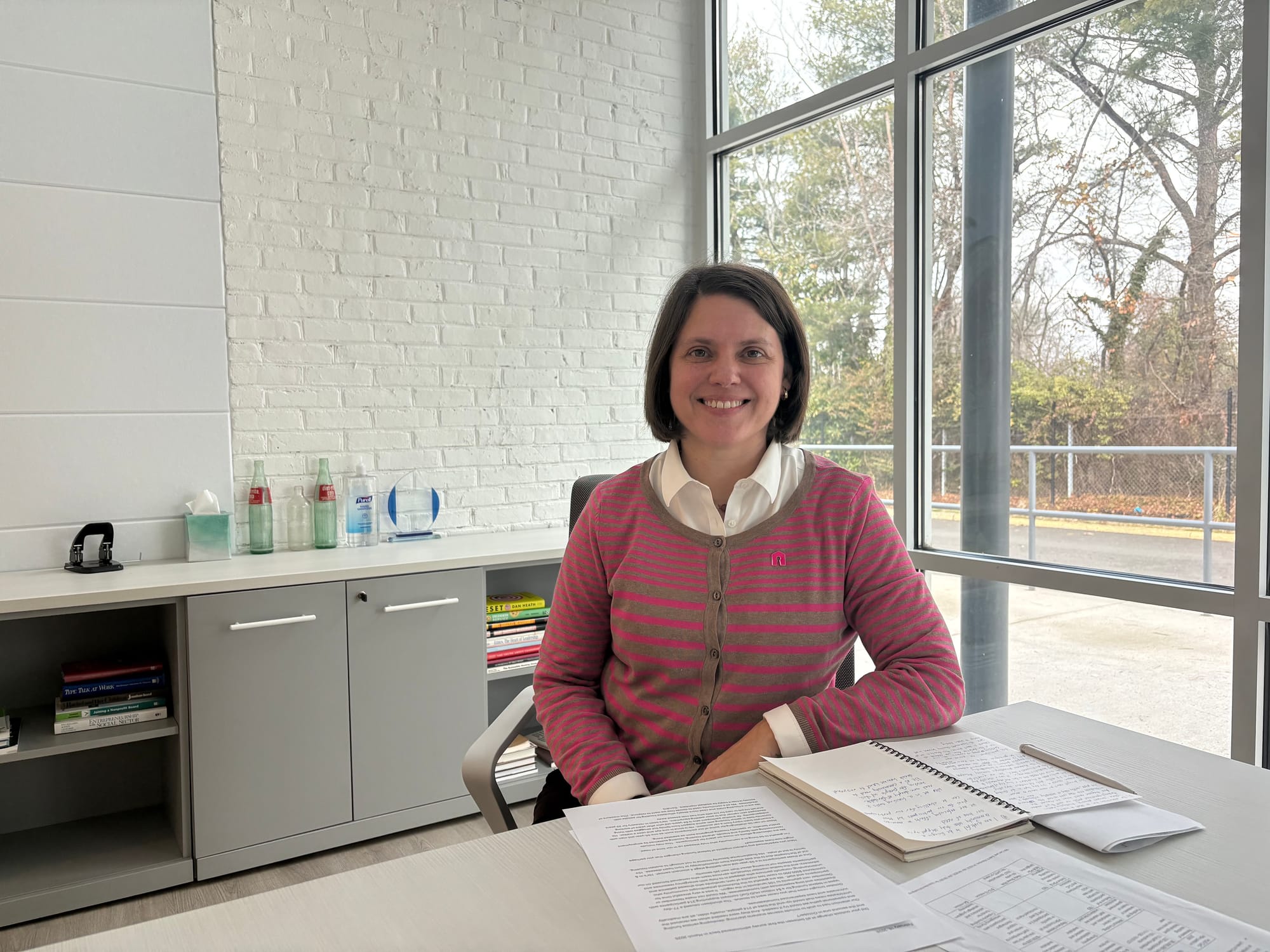
“Federal funding used to be the most stable funding we had as an organization,” said Jenn Case, president and CEO of nonprofit Family Lifeline, which provides health, early childhood and home care services to local families. “The past year has just turned that all on its head.”
Kelly King Horne, CEO of homeless services nonprofit Homeward, said that “that inability to rely on a government contract — that was unexpected.”
Many Richmond nonprofits have entered 2026 on better footing than they likely expected a year ago when President Donald Trump proposed a flurry of funding cuts. The majority of those proposals never came to fruition. Still, the doubt they sowed and the looming consequences of other major cuts to Medicaid and food stamp programs that are underway have caused groups to rejigger how they are operating even as demand for their services rises.
At SupportWorks, Bogdanović said the focus is on building up a bigger operating reserve and seeking more local sources of funding. Case said Lifeline has tried to find operational efficiencies by changing vendors and reevaluating staffing needs. Horne said Homeward is “leveraging every dollar” it can.
As things stand now, “the dollar amounts are relatively stable, but the uncertainty has certainly had a negative impact,” said Horne.
Stacy Buchanan, a communications specialist who has been working with four Richmond foundations to assess how local nonprofits are doing in the new funding climate, said the shift in how the federal government approaches funding “has impacted the landscape of the nonprofit sector as a whole.”
“Everyone is feeling the effects,” she said.
That’s clear in the results of a survey administered this October by the Robins Foundation, Richmond Memorial Health Foundation, Bob and Anna Lou Schaberg Foundation and Mary Morton Parsons Foundation. A followup to a questionnaire circulated late last winter, the survey was intended to gauge not only what the long-term impacts of actual or potential funding cuts have been but how groups are responding to a radically different playing field.
Of the 70 nonprofits that responded in October, 43% reported being impacted by shifting funding priorities. A quarter said they were anticipating cuts, 23% said funding that had been approved had been delayed or frozen, 20% said they were seeing new or deeper cuts and 19% said reimbursements for services they were providing had been delayed.
 Michael Phillips
Importantly, it also found that compared to the winter 2025 survey, more nonprofits were trying to decrease their reliance on federal funding.
But that’s easier said than done, noted several of the nonprofit heads The Richmonder interviewed. Philanthropic organizations can’t meet everyone’s needs, they said, and state funding is expected to be increasingly constricted as the federal government asks states to pick up more of the tab for services like food stamps.
“They’re pushing down a lot of costs to the state budgets,” said Case. “So now state funding has become competitive in a new way.”
Over 70% of groups responding to the foundation survey said what they need is general operating support — funds that are not restricted to particular projects but can be used to keep the organization going. While that money has long been coveted by nonprofits, it’s become even more prized now as leaders worry that other sources of funding could disappear without warning and leave critical holes to plug.
At the same time that groups are looking for other revenue sources, demand for the services they offer is rising. More than a third of the respondents to the October survey noted rising demand, and some leaders told The Richmonder they expect that to worsen as the cuts to food stamp programs and Medicaid progress.
The impacts are “going to continue to ripple” through communities, said Horne.
Still, the October survey found that compared to late winter, nonprofits are rallying. In the first survey, the most often cited descriptors of how organizations’ leaders were feeling were “uncertain,” “concerned” and “worried.” In October, “concerned” and “uncertain” continued to top the list — but now they were joined by “hopeful.”
Some of that is due to what leaders described as community efforts to rally around one another. The foundations behind the survey have launched various efforts to provide communications, marketing, strategic guidance and other forms of support to groups.
“The fact that we all default to collaboration is something we should all acknowledge and celebrate,” said Horne. “That’s not the default everywhere, but it is here.”
Bogdanović said that while the broader picture can be daunting, focusing on the people who SupportWorks continues to serve day in and day out reminds her that no matter how hard the road, the work is worth doing.
“We try to dig deep and say we’ve learned the resilience that they have,” she said.
Contact Reporter Sarah Vogelsong at svogelsong@richmonder.org. Robins Foundation is a donor to The Richmonder, but was not allowed to influence or review this article.